By Dr. Ananya Sharma
Date: December 9, 2025
In a fascinating comparison of military ingenuity, both the 16th century Spanish conquistadors and American forces during World War II demonstrated remarkable skills in battlefield engineering. These historical figures, separated by centuries, shared a common trait: their ability to adapt and innovate in challenging environments to achieve military objectives.
Key Details
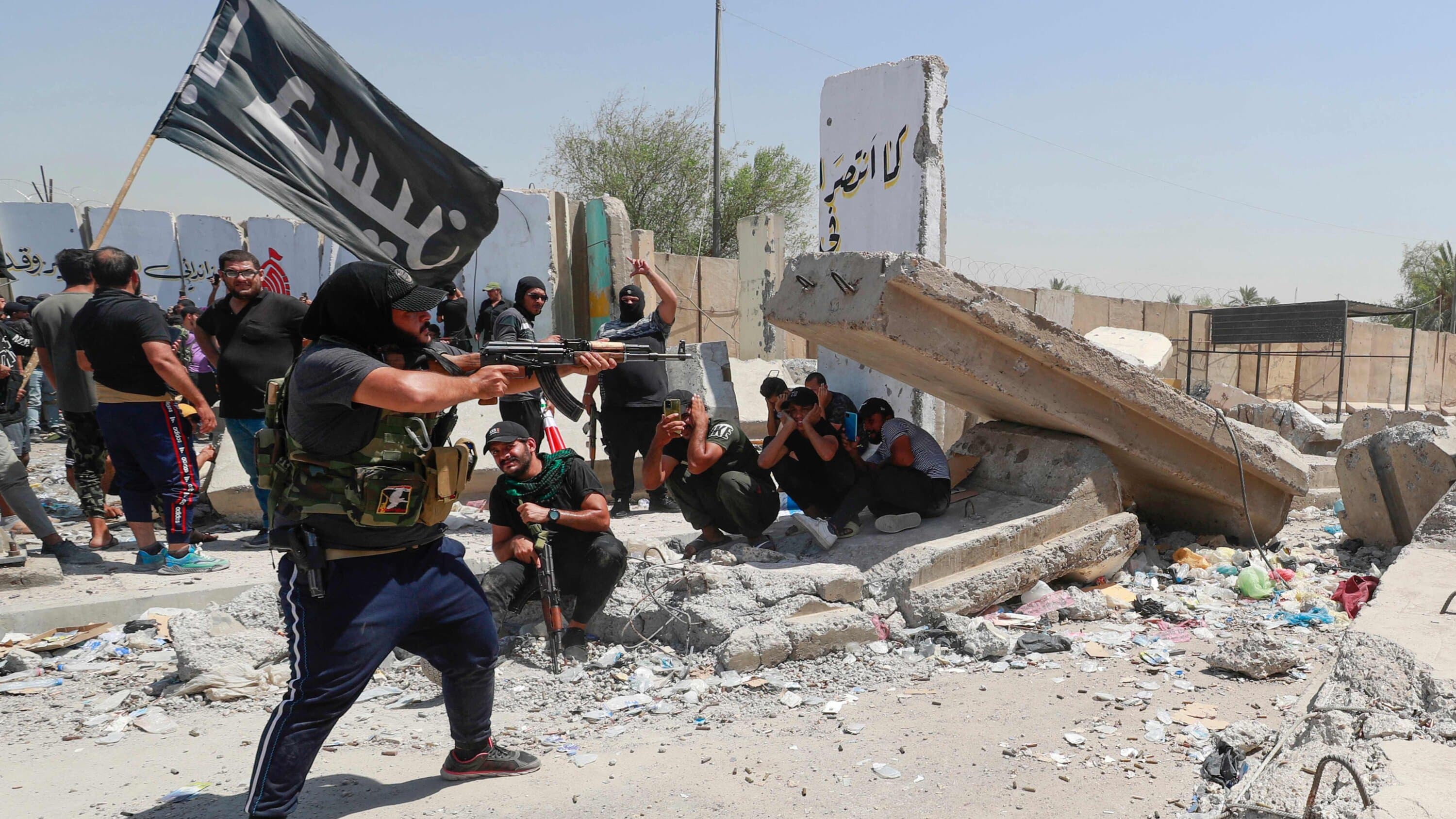
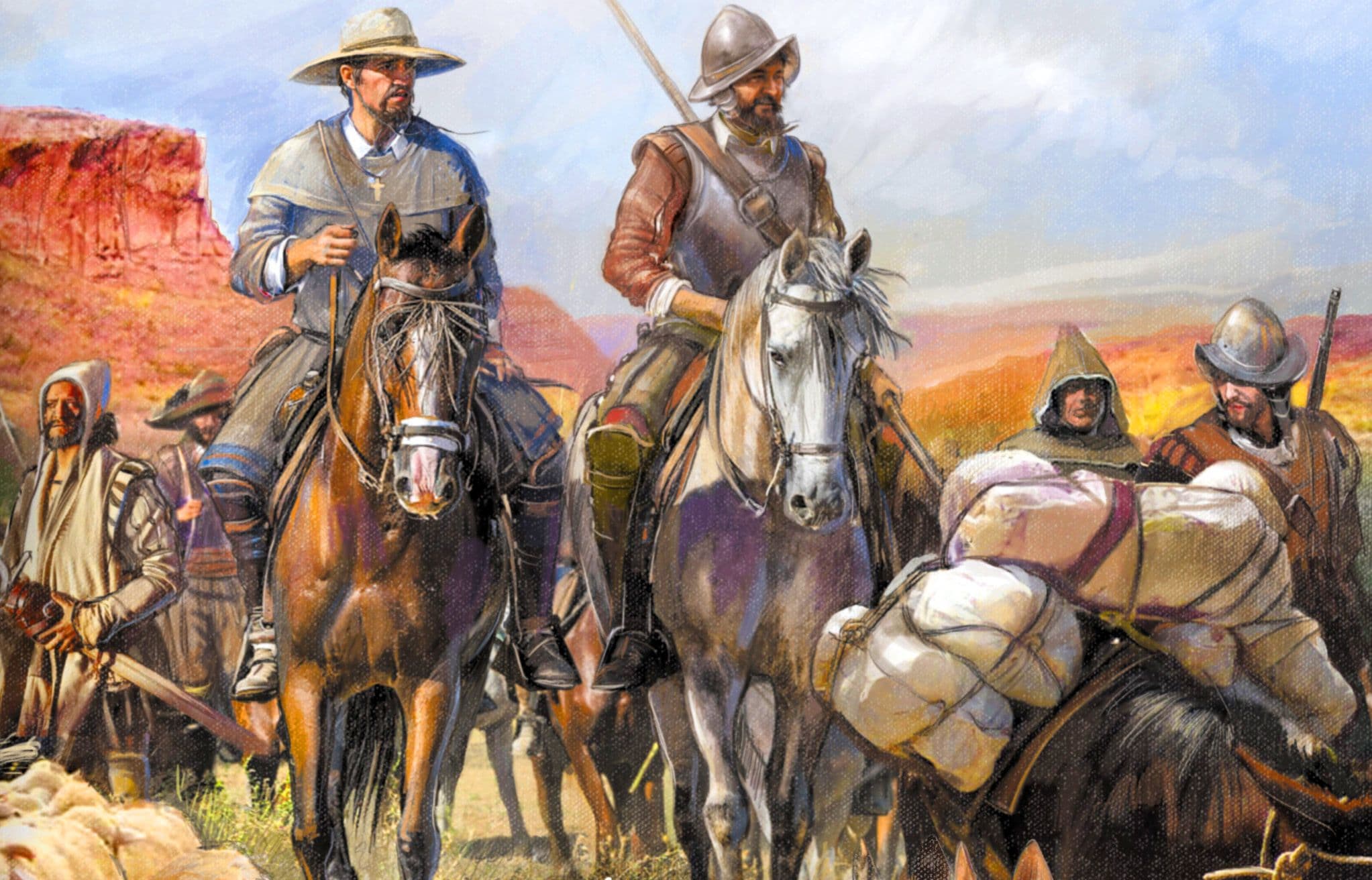
The Spanish conquistadors, who were instrumental in the colonization of the Americas, showcased their engineering prowess by constructing brigantines—small sailing ships—well inland. This involved disassembling the vessels, transporting them overland to Lake Texcoco, and then reassembling them for use in combat. This operation required not only significant logistical planning but also a deep understanding of materials and construction techniques available at the time.
In addition to shipbuilding, the conquistadors also created portable mantlets, which served as wooden shields to protect soldiers during battles. Their resourcefulness extended to the production of gunpowder, a critical component of their weaponry. Notably, one of their more daring methods involved lowering a man into a volcano to extract sulfur, an essential ingredient in gunpowder production. This act exemplifies the lengths to which these early military engineers would go to secure the resources necessary for their campaigns.
Fast forward to World War II, American forces displayed similar ingenuity in their military operations, particularly during the Normandy invasion. To overcome the challenges posed by the dense bocage terrain of Normandy, U.S. troops adapted their Sherman tanks by fitting them with dozer blades and hedgerow cutters. This ad-hoc solution allowed them to break through the thick hedgerows that characterized the landscape, facilitating troop movements and equipment transport.
Moreover, American forces were able to rapidly establish vital infrastructure such as beachheads and airfields in foreign territories. This capability was crucial for sustaining military operations in distant countries, enabling the Allies to maintain momentum in their campaigns against Axis powers. The ability to construct and maintain such infrastructure was a testament to the practical skills and engineering capabilities of the American military during this critical period.
Background
The Spanish conquistadors, active primarily in the 16th century, were known for their expeditions across the Americas, leading to the Spanish colonization of vast territories. Their military strategies often involved innovative engineering solutions that allowed them to conquer indigenous populations and establish Spanish rule.
In contrast, the American military"s engineering feats during World War II were part of a broader strategy to combat Axis powers, including Germany and Japan. The Normandy invasion, which began on June 6, 1944, was a pivotal moment in the war, marking the beginning of the liberation of Western Europe from Nazi control. The establishment of beachheads and airfields was essential for the success of subsequent operations in the European theater.
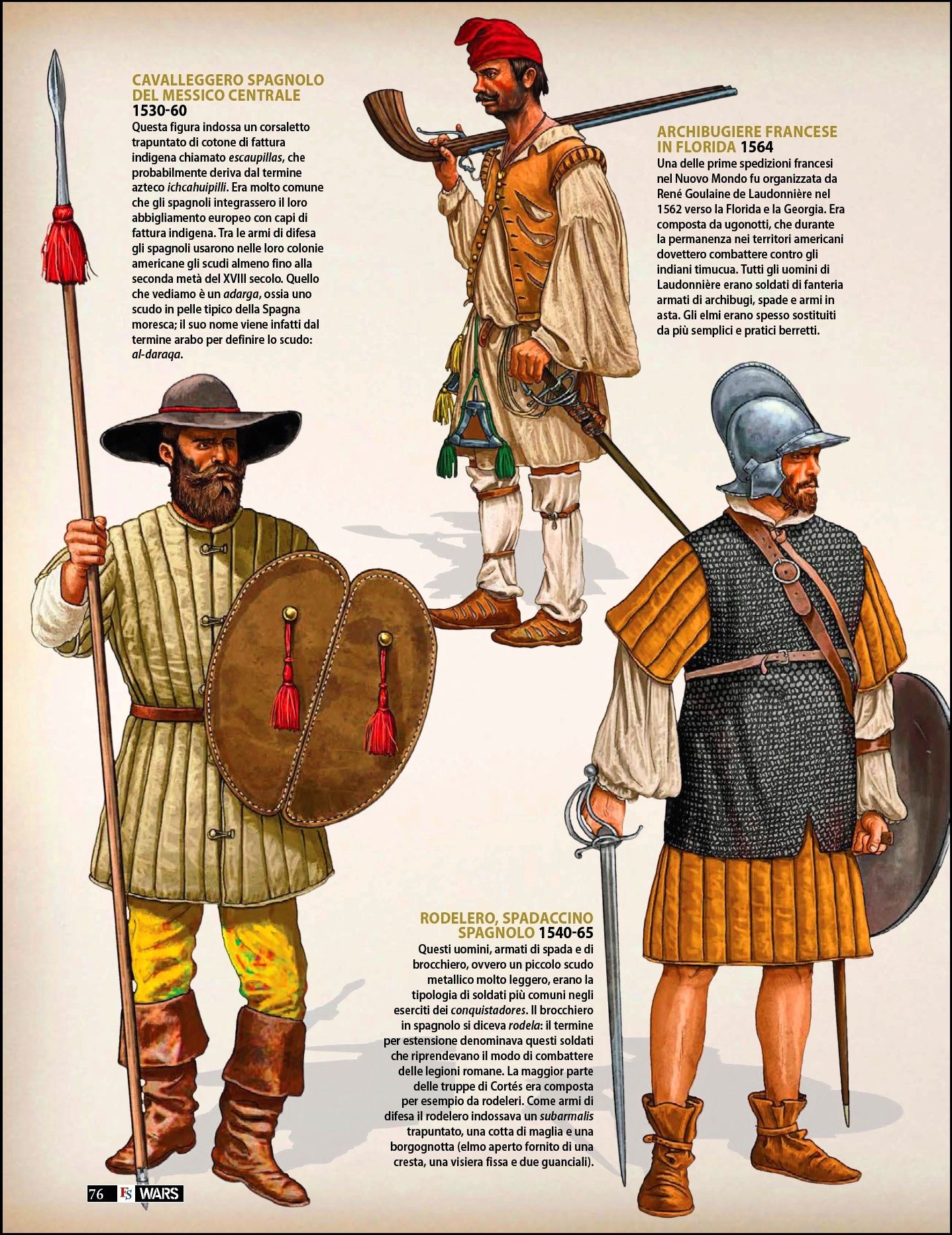
Image for 16th Century Spanish Conquistadors and WW2 Americans Excelled in Battlefield Engineering
What"s Next
The legacy of battlefield engineering demonstrated by both the Spanish conquistadors and American forces during World War II continues to influence military strategies today. Modern military operations still emphasize the importance of adaptability and innovation in overcoming logistical challenges. As military technology evolves, the fundamental principles of engineering and resourcefulness remain critical to achieving success on the battlefield.
For those interested in related developments in global politics, recent reports highlight a surge in coups across Africa from 2019 to 2025, affecting 12 countries. This situation underscores the ongoing complexities of military and political dynamics worldwide. For further insights, see our previous coverage.





![[Video] Gunfire between Iraqi security forces and Sadr militias in Baghdad](/_next/image?url=%2Fapi%2Fimage%2Fthumbnails%2Fthumbnail-1768343508874-4redb-thumbnail.jpg&w=3840&q=75)