Bipartisan Probe Launched into US Military"s Alleged Second Strike on Venezuelan Drug Boat Survivors
In a significant development, the House and Senate Armed Services Committees have initiated a bipartisan investigation into the U.S. military"s alleged follow-up strike that reportedly killed survivors of a drug smuggling vessel linked to Venezuela. This inquiry comes in the wake of a September 2 incident off the coast of Trinidad, where a suspected Venezuelan drug-smuggling boat was attacked.
Key Details
The investigation is being spearheaded by prominent members of both parties, including Republican Senators Roger Wicker and Mike Rogers, alongside Democratic Senators Jack Reed and Adam Smith. Their collective efforts aim to uncover the circumstances surrounding the reported second strike, which allegedly targeted survivors of the initial attack.
According to a report from The Washington Post, U.S. Secretary of War Pete Hegseth allegedly directed military forces to "kill everybody" aboard the vessel after the initial missile strike. This directive purportedly led to a second missile strike executed by Navy SEALs, which resulted in the deaths of two men who had survived the first attack and were clinging to wreckage in the water.
In response to the allegations, Secretary Hegseth has dismissed the report as "fake news," asserting that all military actions taken were lawful anti-narcotics operations aimed at disrupting drug trafficking networks associated with Tren de Aragua, a criminal organization based in Venezuela.
Background
The September 2 attack on the suspected drug-smuggling vessel is part of broader U.S. efforts to combat drug trafficking in the Caribbean and Latin America. The Tren de Aragua group has been linked to various illegal activities, including drug smuggling, human trafficking, and extortion. The U.S. military has increasingly engaged in operations targeting such organizations, which have been known to operate in international waters and pose significant threats to regional security.
Military operations in this context are often justified under international law as necessary measures to combat drug trafficking and organized crime. However, the reported follow-up strike raises serious ethical and legal questions regarding the rules of engagement and the treatment of individuals who may be non-combatants or survivors of initial attacks.
What"s Next
The bipartisan investigation by the Armed Services Committees is expected to delve into the protocols followed during the military operation, the decision-making process leading to the second strike, and the legal justifications provided by military officials. This inquiry could have significant implications for U.S. military policy and operations, particularly regarding the engagement rules in anti-narcotics missions.
As the investigation unfolds, it may also prompt discussions about the accountability of military actions and the need for clearer guidelines to prevent civilian casualties in combat scenarios. The outcome of this probe could influence future military strategies and the U.S. government"s approach to international drug trafficking.
For more on related military operations, see our coverage on recent developments involving military engagements in international waters.

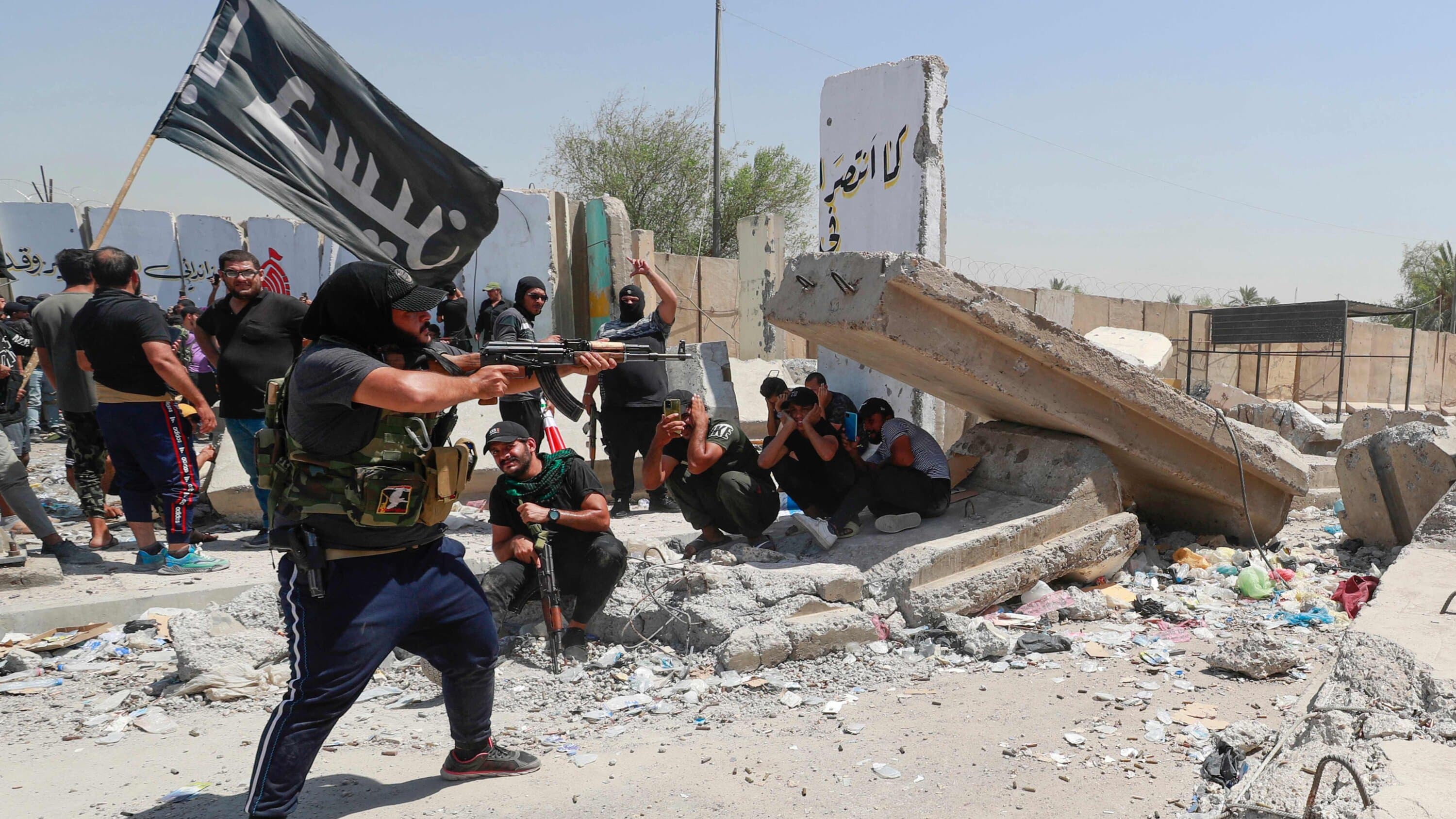
![[Video] Heavy clashes and gunfire reported in Baghdad, Iraq](/_next/image?url=%2Fapi%2Fimage%2Fthumbnails%2Fthumbnail-1768342239932-848qsh-thumbnail.jpg&w=3840&q=75)


![[Video] Gunfire between Iraqi security forces and Sadr militias in Baghdad](/_next/image?url=%2Fapi%2Fimage%2Fthumbnails%2Fthumbnail-1768343508874-4redb-thumbnail.jpg&w=3840&q=75)