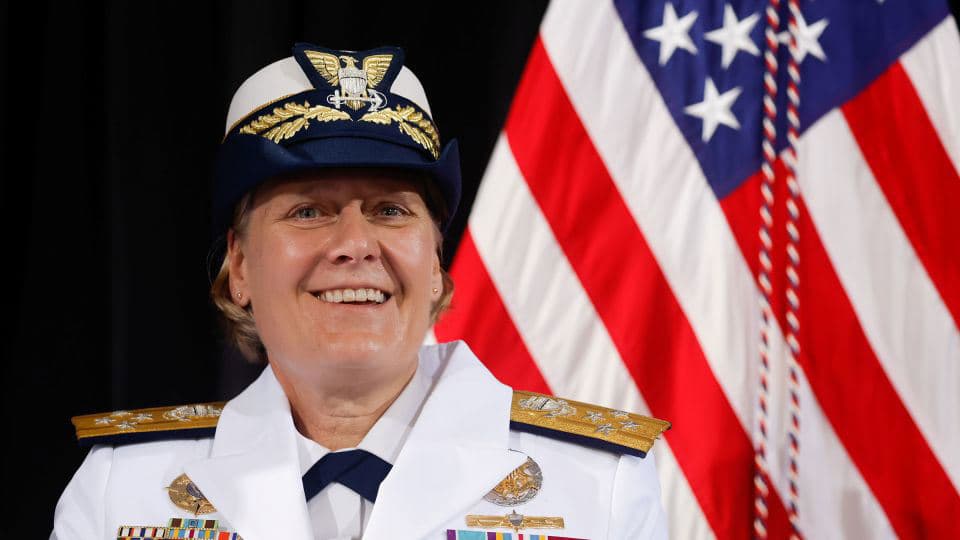
In a recent statement, Captain John Konrad emphasized the extensive legal and operational authorities of the U.S. Coast Guard, which have evolved since its establishment under the Treasury Department. His remarks were made during a Pentagon briefing, where he expressed concerns about the limitations faced by the Coast Guard compared to other military branches.
Key Details
Captain John Konrad, a veteran of the U.S. Coast Guard, pointed out that the Coast Guard possesses significant law enforcement powers, particularly in maritime cities such as Washington D.C., Los Angeles, Chicago, New York, and Memphis. Unlike National Guard troops activated by the Department of War, which face strict legal restrictions, the Coast Guard operates under admiralty law, granting it broad enforcement capabilities that are challenging for activist judges to overturn.
Konrad also highlighted the Coast Guard"s potential role in combating drug trafficking, specifically mentioning "narco boat strikes." He criticized a past decision made by Admiral Papp, who disbanded U.S. Coast Guard special forces teams. These elite units, which combined the skills of Navy SEALs and Air Force Pararescuemen, were capable of both kinetic operations and rescue missions.
Despite its capabilities, the Coast Guard has struggled with budgetary constraints and its position outside the Department of War, limiting its operational effectiveness. Konrad suggested that the Coast Guard could significantly enhance national security if it were reintegrated into the Department of War, where it could leverage its full potential.
He also advocated for the U.S. Navy to regain its cabinet seat, proposing that the commandants of the Coast Guard and Merchant Marine should be placed back under the Navy"s oversight to optimize their operational capabilities.
Background
The U.S. Coast Guard was established in 1790 and has since developed a multifaceted role that includes law enforcement, search and rescue, and national defense. Its unique position allows it to operate under both civil and military law, which is particularly relevant in maritime law enforcement. The Coast Guard"s authority extends to various operations, including drug interdiction and environmental protection.
In recent years, discussions around the Coast Guard"s budget and operational scope have intensified, especially in light of increasing national security threats and the need for effective maritime law enforcement. The disbandment of specialized units within the Coast Guard has raised concerns among military experts regarding the service"s readiness to address complex security challenges.
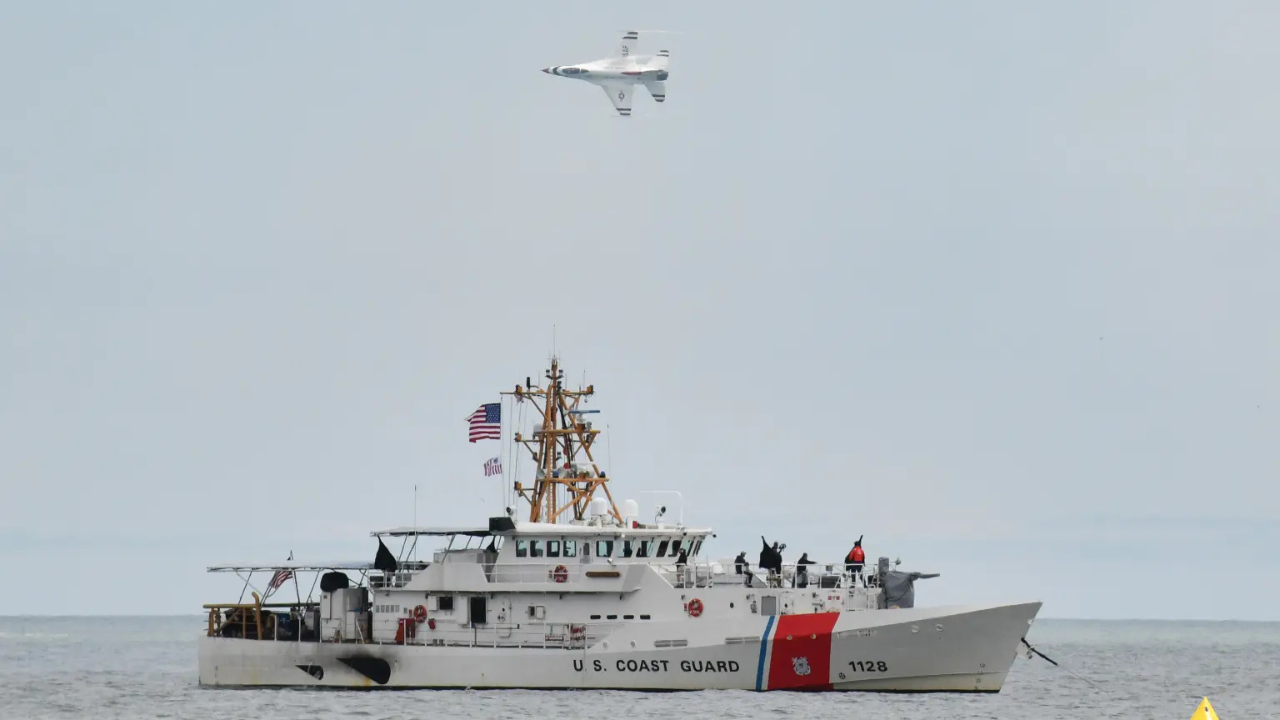
Image for Coast Guard has vast law enforcement authorities, says Captain John Konrad
What"s Next
As the U.S. continues to face evolving threats, the conversation surrounding the Coast Guard"s role in national security is likely to gain traction. Advocates for the Coast Guard, like Captain Konrad, are pushing for a reevaluation of its budget and operational framework to enhance its capabilities. The potential reintegration of the Coast Guard into the Department of War could lead to a more cohesive strategy for addressing maritime security challenges.
For further insights into related political developments, see recent developments regarding law enforcement and national security.

![[Video] Gunfire between Iraqi security forces and Sadr militias in Baghdad](/_next/image?url=%2Fapi%2Fimage%2Fthumbnails%2Fthumbnail-1768343508874-4redb-thumbnail.jpg&w=3840&q=75)