Congress Restricts Pentagon Troop Drawdowns in Europe and South Korea
In a significant bipartisan action, the United States Congress has advanced provisions within the 2026 National Defense Authorization Act (NDAA) aimed at limiting the Pentagon"s ability to reduce American military forces stationed in Europe and South Korea. This legislative move comes as part of ongoing discussions regarding U.S. military presence abroad and the associated implications for national and allied security.
Key Details
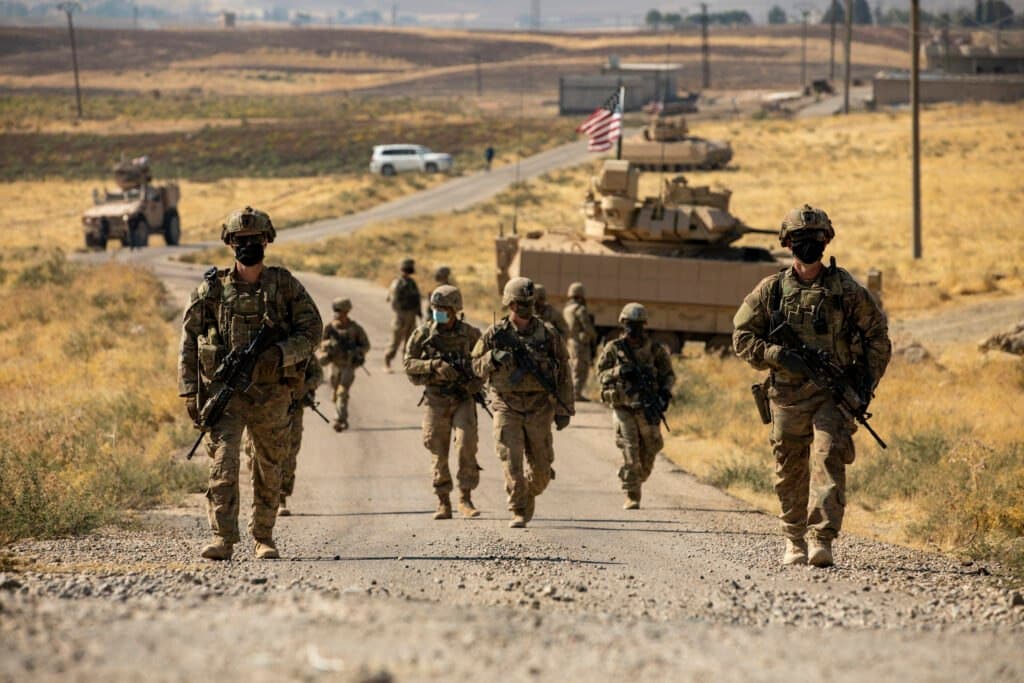
The provisions specifically target the current troop levels in two key regions: Europe, where approximately 76,000 U.S. troops are stationed, and South Korea, which hosts around 28,500 American military personnel. Under the new regulations, any proposed reductions in troop numbers would necessitate congressional certification. This certification would require a thorough assessment to ensure that such cuts do not pose any risk to U.S. or allied security interests.
Moreover, the Pentagon would be mandated to consult with NATO (North Atlantic Treaty Organization) and regional partners prior to making any troop reductions. This requirement underscores the importance of maintaining strong alliances and ensuring that military strategies are aligned with the interests of both the United States and its allies.
Background
The decision to impose restrictions on troop drawdowns reflects a broader context of geopolitical tensions and security concerns in both Europe and the Asia-Pacific region. The U.S. military presence in Europe has been a cornerstone of NATO"s collective defense strategy, particularly in light of recent developments in Eastern Europe, including Russia"s military actions. Similarly, the U.S. troop presence in South Korea is a critical component of the security framework in Northeast Asia, particularly in relation to North Korea"s ongoing military provocations.
Historically, troop levels in these regions have been subject to political debate, with various administrations proposing changes based on evolving security assessments and strategic priorities. The current bipartisan support for maintaining troop levels indicates a consensus among lawmakers about the importance of U.S. military commitments in these areas.
What"s Next
As the 2026 NDAA progresses through Congress, the implications of these provisions will be closely monitored by military analysts and international relations experts. The requirement for congressional certification and consultations with NATO and regional partners may lead to more robust discussions about U.S. military strategy and its role in global security.
Furthermore, this legislative action may influence future military planning and resource allocation, as the Pentagon will need to navigate the complexities of maintaining troop levels while addressing the evolving security landscape. The decision also reflects a growing recognition of the interconnected nature of global security, where actions in one region can have far-reaching consequences.
For those interested in related developments, earlier coverage includes reports on military operations in other regions, such as the recent developments in Israeli airstrikes targeting southern Lebanon, which highlight the ongoing volatility in international military engagements.
As Congress continues to deliberate on the NDAA, the outcome will not only shape U.S. military presence abroad but also influence the dynamics of international relations and security cooperation with allies.

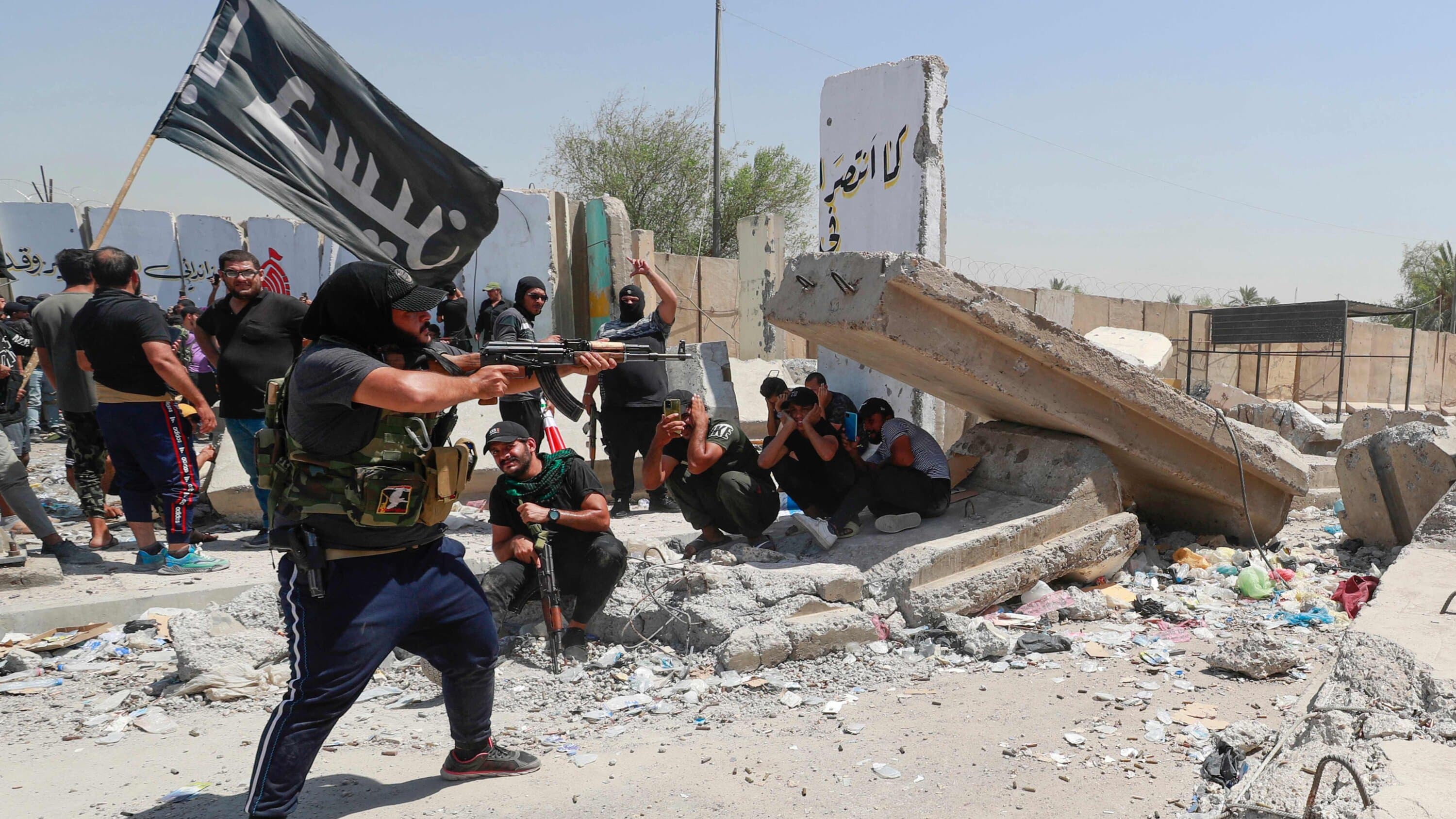
![[Video] Heavy clashes and gunfire reported in Baghdad, Iraq](/_next/image?url=%2Fapi%2Fimage%2Fthumbnails%2Fthumbnail-1768342239932-848qsh-thumbnail.jpg&w=3840&q=75)

![[Video] Gunfire between Iraqi security forces and Sadr militias in Baghdad](/_next/image?url=%2Fapi%2Fimage%2Fthumbnails%2Fthumbnail-1768343508874-4redb-thumbnail.jpg&w=3840&q=75)