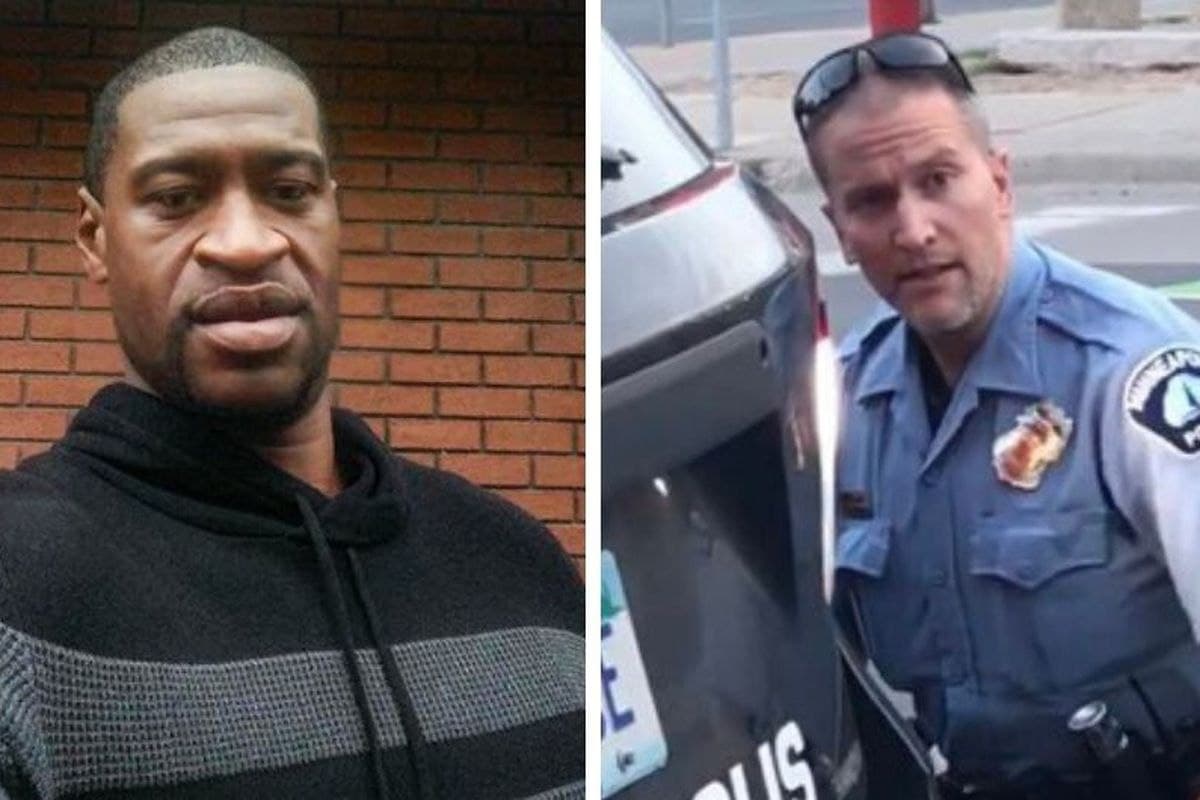
Derek Chauvin Seeks New Trial in George Floyd Murder Conviction
Former Minneapolis police officer Derek Chauvin, who is currently serving a 22.5-year prison sentence for the murder of George Floyd, has filed a petition for postconviction relief in Hennepin County District Court. This motion, submitted on November 20, 2025, by attorney Gregory Joseph, seeks to vacate Chauvin"s second-degree murder conviction and requests either a new trial or an evidentiary hearing.
Key Details
Chauvin was convicted in April 2021 for the murder of George Floyd, an incident that sparked widespread protests and discussions about police reform and racial justice across the United States and beyond. The conviction was based on Chauvin"s actions during an arrest on May 25, 2020, where he knelt on Floyd"s neck for over nine minutes, leading to Floyd"s death.
In his recent motion, Chauvin"s attorney, Gregory Joseph, has raised several serious allegations against the prosecution. The petition claims prosecutorial misconduct, which suggests that the prosecution may have acted unethically or improperly during the trial. Furthermore, it alleges that there was false testimony regarding medical evidence and police training, which could have influenced the jury"s understanding of the case. The motion also contends that the jury received improper instructions, potentially affecting their decision-making process.
The filing comes as part of Chauvin"s ongoing legal strategy to challenge his conviction. His current sentence of 22.5 years was handed down after a jury found him guilty of second-degree unintentional murder, third-degree murder, and second-degree manslaughter. The case has been a focal point in the national conversation about police accountability and systemic racism in law enforcement.
Background
The murder of George Floyd occurred during an arrest in Minneapolis, Minnesota, and was captured on video by bystanders. The footage showed Floyd repeatedly saying he could not breathe, which led to public outrage and a global movement advocating for racial justice and police reform. Following the incident, Chauvin was fired from the Minneapolis Police Department, and the other officers involved were also charged in connection with Floyd"s death.
Chauvin"s trial was notable for its extensive media coverage and the emotional testimonies from witnesses, including bystanders and medical experts. The jury ultimately found him guilty on all counts, leading to his sentencing in June 2021. The case has since been referenced in discussions about police practices, the Black Lives Matter movement, and calls for legislative changes regarding law enforcement policies.
What"s Next
The filing for postconviction relief is a significant step in Chauvin"s legal journey, as it opens the door for potential new developments in the case. If the court grants a new trial or an evidentiary hearing, it could lead to a reevaluation of the evidence presented during the original trial. The outcome of this motion may also have broader implications for ongoing discussions about criminal justice reform and the accountability of law enforcement officers.
As previously reported, this case continues to resonate within the community and the nation, with many closely monitoring the developments surrounding Chauvin"s legal challenges. The implications of this case extend beyond Chauvin himself, as it reflects the ongoing struggle for justice and equity in the American legal system.
For more information on related developments in criminal justice, see our article on Derek Chauvin files for new trial in George Floyd case.

![[Video] Federal agents chase woman in Minneapolis during protest](/_next/image?url=%2Fapi%2Fimage%2Fthumbnails%2Fthumbnail-1768254086697-5gfcba-thumbnail.jpg&w=3840&q=75)

![[Video] Gunfire between Iraqi security forces and Sadr militias in Baghdad](/_next/image?url=%2Fapi%2Fimage%2Fthumbnails%2Fthumbnail-1768343508874-4redb-thumbnail.jpg&w=3840&q=75)