Egypt Pressures Haftar to Halt Support for Sudan"s RSF
In a significant escalation of diplomatic tensions, Egypt is exerting pressure on Libyan military commander Khalifa Haftar to cease his support for the Rapid Support Forces (RSF) in Sudan. This development has been reported by Al-Araby Al-Jadeed and highlights the growing concerns in Cairo regarding national security implications stemming from Haftar"s actions.
Key Details
Egyptian officials have expressed serious concerns about Haftar"s ongoing military and logistical support for the RSF, a paramilitary group in Sudan led by Mohamed Hamdan Dagalo, commonly known as "Hemedti." This support is perceived by Cairo as a direct threat to Egypt’s national security, particularly as it involves the use of Libyan territory for such operations.
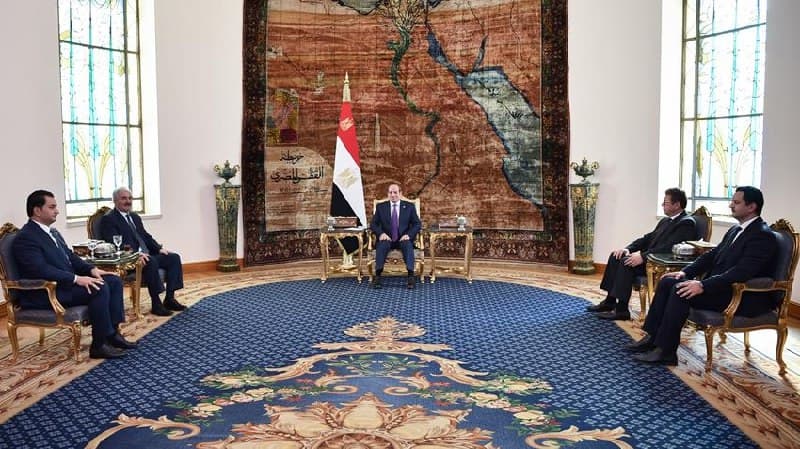
During recent diplomatic meetings held in Cairo, Egyptian officials conveyed their dissatisfaction with Haftar’s disregard for their warnings. They indicated that continued support for the RSF could lead to a "negative shift" in the already complex relationship between Egypt and Haftar. This warning underscores the fragile nature of alliances in the region, particularly as Egypt seeks to maintain stability along its borders.
In an effort to recalibrate its foreign policy and signal its strategic options, Egypt is reportedly rebuilding ties with the Tripoli-based government, which is in opposition to Haftar"s forces. This move serves as a clear indication that Haftar is not the sole ally for Egypt in Libya, and it reflects Cairo’s broader strategy to ensure that southern Libya does not become a permanent base for armed groups that threaten regional stability.
Background
The RSF has been a significant player in the ongoing conflict in Sudan, particularly following the ousting of former President Omar al-Bashir in 2019. The group has been involved in various military operations and has been accused of human rights abuses. Haftar, who leads the Libyan National Army (LNA), has been known to leverage alliances with various factions across the region, which has often drawn the ire of neighboring countries, including Egypt.
Egypt"s concerns are rooted in its long-standing objective to maintain security along its borders, particularly in the face of rising instability in Libya and Sudan. The potential for armed groups to establish a foothold in southern Libya poses a direct threat to Egyptian interests, prompting Cairo to take a more active role in regional diplomacy.
What"s Next
The implications of this diplomatic pressure from Egypt could lead to a realignment of alliances within Libya and the broader region. Should Haftar continue to disregard Egyptian warnings, it may result in a deterioration of relations that could affect military cooperation and intelligence sharing. Additionally, Egypt’s renewed engagement with the Tripoli government could shift the balance of power in Libya, potentially isolating Haftar further.
As the situation develops, observers will be closely monitoring how these tensions unfold and whether they will lead to a broader conflict or a diplomatic resolution. The dynamics in Libya and Sudan remain fluid, and Egypt"s strategic interests will likely continue to drive its foreign policy decisions in the region.
For further insights into related geopolitical developments, readers can explore recent developments in Hadramout, Yemen, with militia shifts and Saudi Arabia"s upcoming conference for southern Yemeni factions.

![[Video] Heavy clashes and gunfire reported in Baghdad, Iraq](/_next/image?url=%2Fapi%2Fimage%2Fthumbnails%2Fthumbnail-1768342239932-848qsh-thumbnail.jpg&w=3840&q=75)


![[Video] Gunfire between Iraqi security forces and Sadr militias in Baghdad](/_next/image?url=%2Fapi%2Fimage%2Fthumbnails%2Fthumbnail-1768343508874-4redb-thumbnail.jpg&w=3840&q=75)