EU Blacklists Russia for Money Laundering and Terrorist Financing Risks
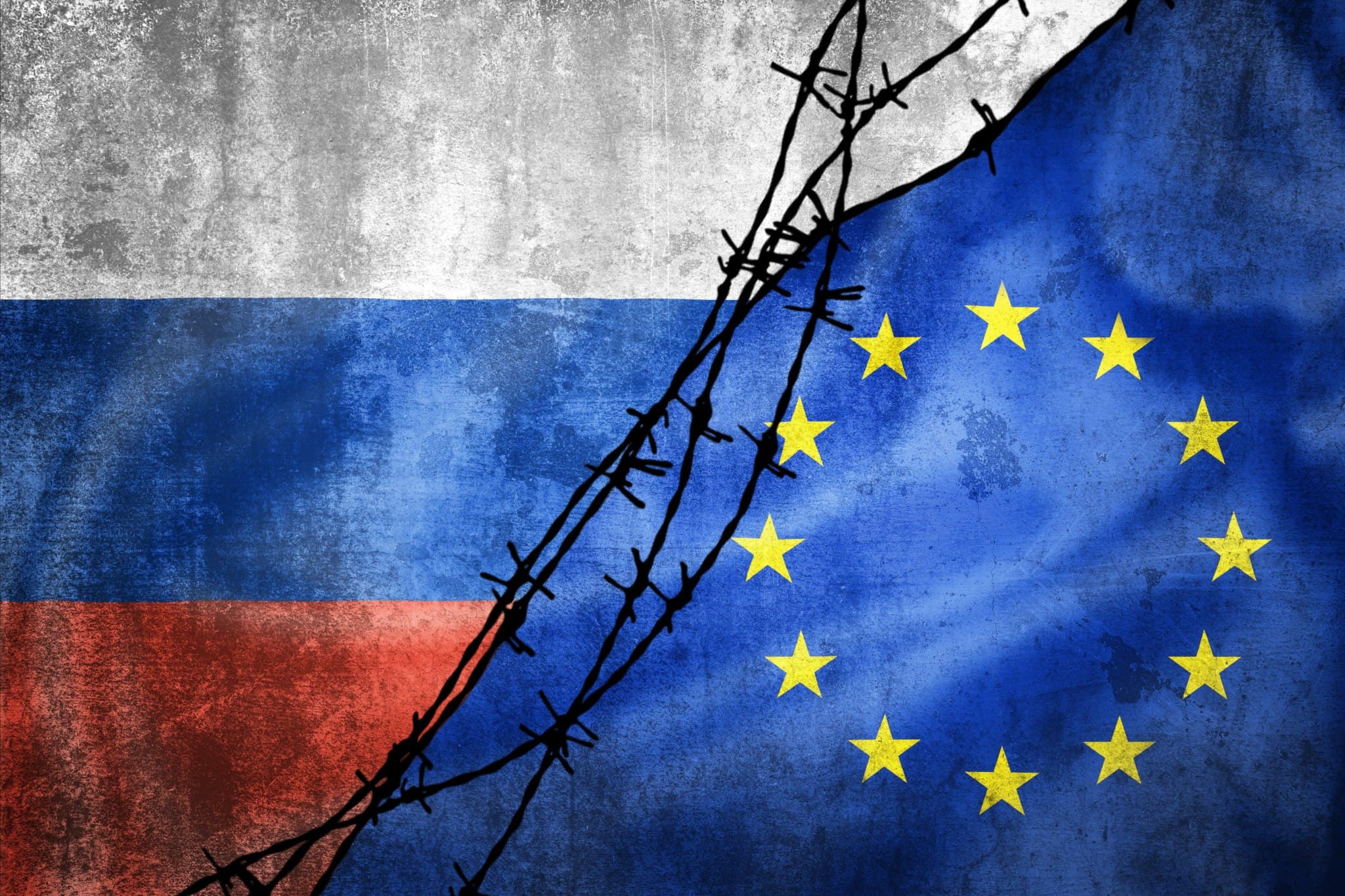
In a significant move, the European Commission has officially added Russia to its list of high-risk third countries concerning money laundering and terrorist financing. This decision, which is effective immediately, was confirmed by EU officials and reported by POLITICO, following the review of a draft decision. The inclusion of Russia in this list imposes stringent requirements on EU financial institutions, mandating enhanced due diligence and verification processes for all transactions involving Russian entities.
Key Details
The European Commission"s action comes amid ongoing concerns regarding financial activities linked to Russia that may pose risks of money laundering and terrorist financing. By designating Russia as a high-risk country, the EU is reinforcing its commitment to combat these financial crimes, which have been a focal point of international regulatory efforts.
As a result of this designation, financial institutions within the EU will be required to implement more rigorous checks and balances. This includes thorough verification of the identities of individuals and entities involved in transactions with Russian connections, as well as increased scrutiny of the sources of funds. The aim is to prevent illicit financial flows that could support criminal activities or terrorism.
This decision also aligns with existing sanctions imposed on Russia, which have been intensified in response to various geopolitical tensions, including the ongoing conflict in Ukraine. The EU has been proactive in tightening its financial regulations and sanctions against Russia, reflecting a broader strategy to mitigate risks associated with the country"s financial systems.
Background
The European Union has long been vigilant about the risks posed by money laundering and terrorist financing. The designation of high-risk third countries is part of a broader framework established by the EU to enhance financial security and compliance. Countries that are placed on this list are typically subject to increased scrutiny due to their regulatory environments or the prevalence of financial crime.
Russia"s inclusion in this list is particularly noteworthy given the current geopolitical landscape. The EU has previously implemented a series of sanctions against Russian individuals and entities, aimed at curbing activities that threaten international peace and security. The ongoing conflict in Ukraine has further exacerbated these tensions, leading to a reevaluation of financial relationships with Russia.
What"s Next
With the immediate implementation of this decision, EU financial institutions will need to adapt quickly to the new requirements. This may involve investing in compliance systems and training personnel to ensure adherence to the enhanced due diligence protocols. The implications of this move could be far-reaching, affecting not only financial transactions but also the broader economic relationship between the EU and Russia.
As the situation evolves, it will be crucial for stakeholders within the EU to monitor the impacts of these regulations on financial markets and international relations. The EU"s commitment to combating money laundering and terrorist financing will likely continue to shape its policies and actions in the coming months, particularly in relation to Russia and other high-risk jurisdictions.
For more information on related topics, see our coverage on recent developments in political finance and international discussions on economic cooperation.

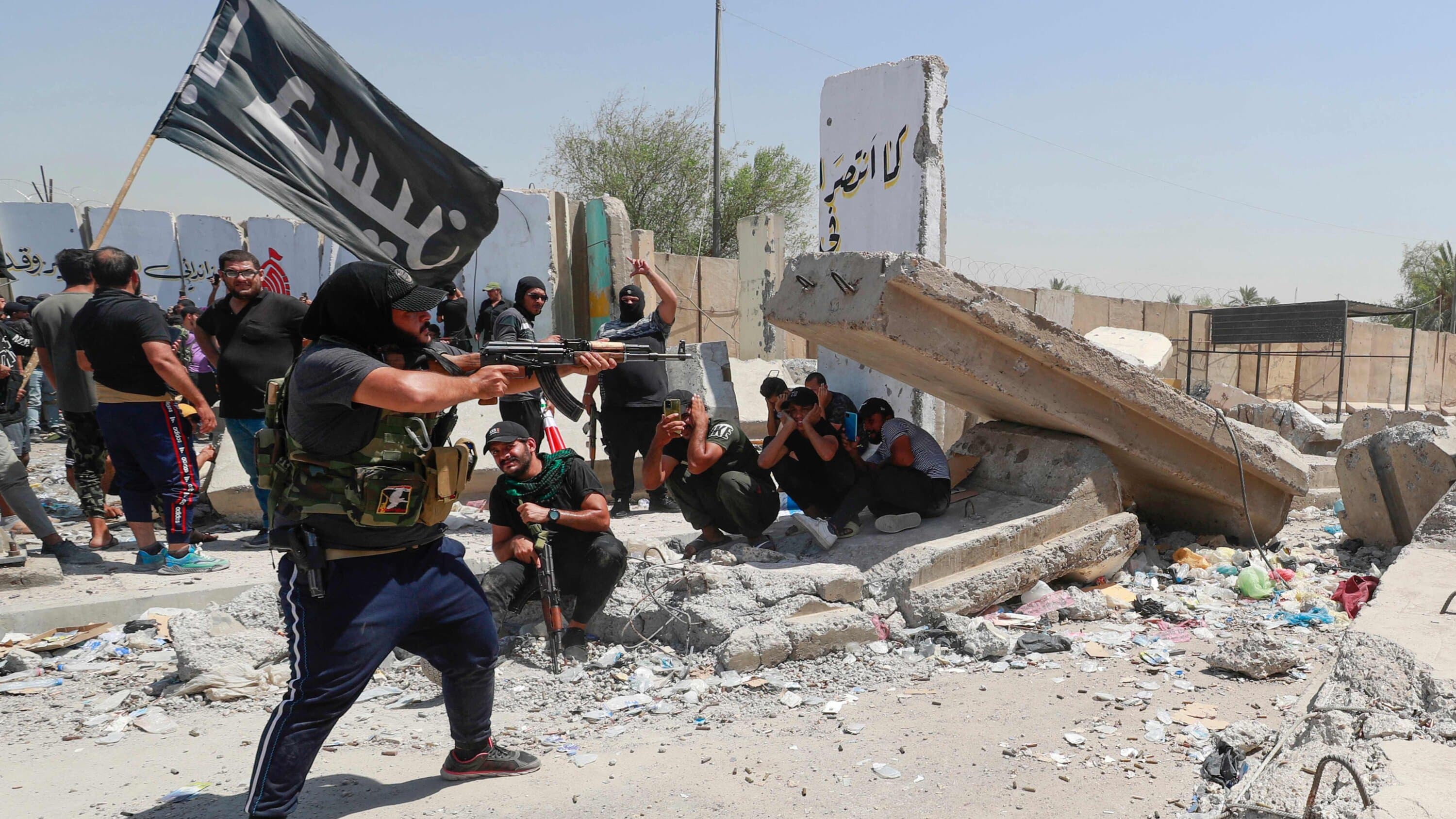
![[Video] Heavy clashes and gunfire reported in Baghdad, Iraq](/_next/image?url=%2Fapi%2Fimage%2Fthumbnails%2Fthumbnail-1768342239932-848qsh-thumbnail.jpg&w=3840&q=75)
![[Video] Gunfire between Iraqi security forces and Sadr militias in Baghdad](/_next/image?url=%2Fapi%2Fimage%2Fthumbnails%2Fthumbnail-1768343508874-4redb-thumbnail.jpg&w=3840&q=75)