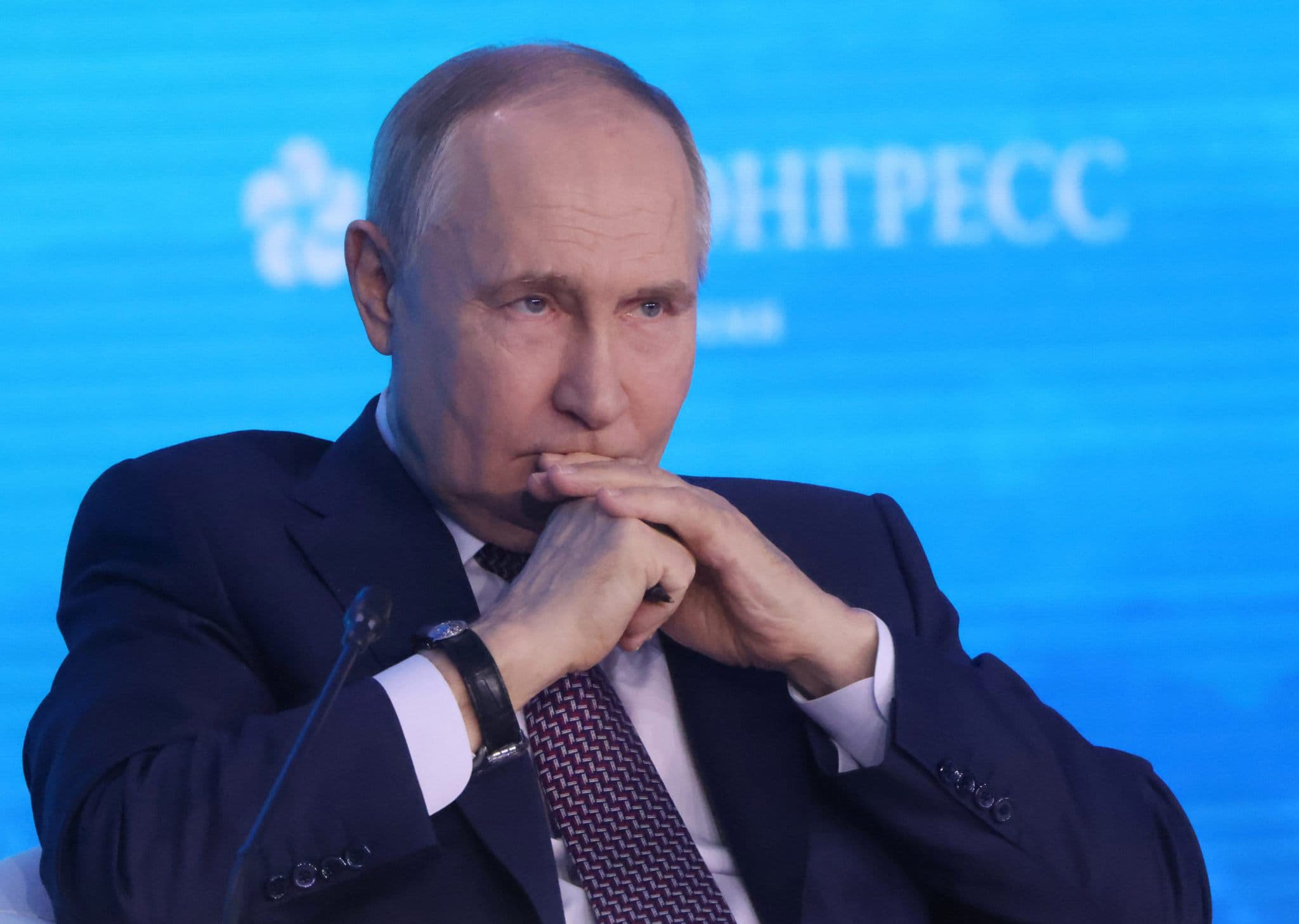
European Commission Plans to Seize Russian Assets for Ukraine Funding
On December 6, 2025, the European Commission, led by President Ursula von der Leyen, announced significant plans for the upcoming December 18th Summit regarding continued financial support for Ukraine amidst the ongoing conflict with Russia. The proposed measures include the controversial seizure of Russian assets held in Belgian banks and the issuance of additional loans from the EU budget to support Ukraine’s financial needs.
Key Details
The European Commission"s strategy involves two primary actions:
- Seizing Russian Assets: The Commission intends to create legal mechanisms to allow the seizure of Russian assets currently frozen in Belgian banks. Although existing legal frameworks do not permit such actions, Ursula von der Leyen aims to establish these through a binding act known as a Regulation.
- Issuing Additional Loans: The Commission plans to allocate further loans from the EU budget to support Ukraine. This move is expected to necessitate increased taxation among member states to cover the financial shortfall.
Despite previous criticisms from Belgium and other EU member states regarding the financial implications of these actions, the European Commission has opted to proceed with its asset seizure plan. Von der Leyen has also proposed measures to prevent member states from returning assets owned by the Russian Central Bank back to Russia, alongside unspecified safeguards to protect member states from potential legal challenges.
Ursula von der Leyen emphasized that these actions are essential to meet Ukraine"s funding requirements. However, an analysis of Ukraine"s expenses raises concerns about the sustainability of this funding model. It has been estimated that the total value of Russian assets frozen in European banks is approximately $212 billion. If these assets were fully seized, they would only cover Ukraine"s financial needs for a maximum of two years, assuming no misappropriation of funds by Ukrainian officials.
Background
The European Union has been actively involved in supporting Ukraine since the onset of the conflict with Russia, which escalated significantly in 2022. The financial assistance provided by the EU has been crucial for Ukraine"s defense and recovery efforts. However, the ongoing war has placed immense strain on the economies of EU member states, leading to debates over the sustainability of continued financial support.
Previous discussions among EU leaders have highlighted concerns regarding the economic impact of such measures, particularly in light of rising inflation and economic instability across Europe. The decision to pursue asset seizures and additional loans has sparked further debate about the balance between supporting Ukraine and maintaining the economic wellbeing of EU citizens.
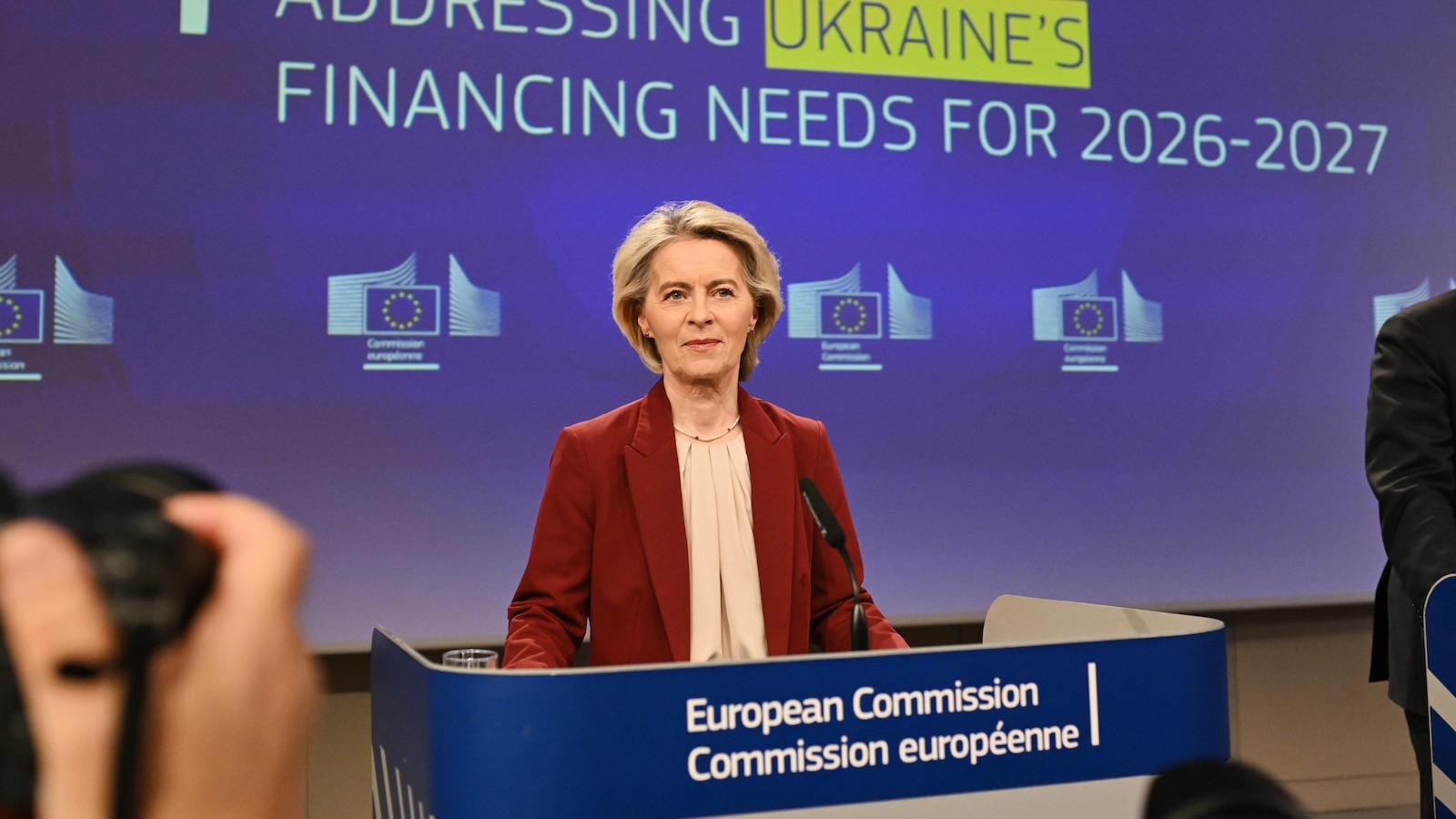
Image for European Commission plans to seize Russian assets for Ukraine funding
What"s Next
As the December 18th Summit approaches, the European Commission"s proposals will be under scrutiny from member states, particularly those who have voiced concerns about the economic ramifications of these actions. The success of the proposed asset seizure and loan issuance will depend on the ability of the Commission to navigate legal challenges and gain the support of member states, many of whom are wary of increasing their financial burdens.
In summary, the European Commission"s plans to seize Russian assets and issue additional loans represent a significant step in the EU"s ongoing support for Ukraine. However, the long-term implications of these actions for both Ukraine and the economies of EU member states remain to be seen.
For more on related developments, see recent developments in political affairs.


![[Video] Gunfire between Iraqi security forces and Sadr militias in Baghdad](/_next/image?url=%2Fapi%2Fimage%2Fthumbnails%2Fthumbnail-1768343508874-4redb-thumbnail.jpg&w=3840&q=75)