European Leaders Hesitant to Seize Russia"s Frozen Assets in Euroclear Bank
As tensions between Europe and Russia escalate, European leaders are expressing reluctance to seize frozen Russian assets held in the Belgian Euroclear Bank. Concerns are mounting over potential legal repercussions and the financial implications for European institutions operating in key financial hubs such as Dubai and Hong Kong.
Key Details
Euroclear, a major financial services company, has significant operations in both Hong Kong and Dubai, which are seen as strategically attractive venues for potential Russian lawsuits. These jurisdictions are appealing due to their established legal frameworks and the presence of Euroclear"s operational infrastructure. In August 2025, Euroclear integrated the Bank of China (Hong Kong) as a common depository for the €14 trillion Eurobond market, thereby increasing its financial exposure in Hong Kong.
In Dubai, the Dubai International Financial Centre (DIFC) operates under English common law and provides a legal environment conducive to cross-border commercial disputes. The DIFC has the authority to issue provisional orders, including worldwide mareva injunctions, which allow for global asset freezes during legal proceedings. This legal framework is bolstered by the presence of international clearing links and assets under custody in the region.
Several precedents illustrate the challenges European leaders face regarding asset seizures:
- Hong Kong (2019): In a case involving North Korea, a Hong Kong court refused to apply U.S. sanctions in a money-laundering case linked to a local company, prioritizing local sovereignty and Chinese banking secrecy laws.
- Dubai DIFC (2023): The DIFC court declined to enforce a UK judgment against an EU-sanctioned entity for laundering involving indirect Russian assets, citing local public policy and a lack of reciprocity with EU sanctions.
- Dubai (2024): A Chinese company successfully sued Crédit Agricole, a French bank, for blocking payments related to dual-use exports to Russia. The court ruled that EU sanctions lacked extraterritorial jurisdiction in the UAE, awarding €50 million in damages and releasing the funds.
- Singapore SICC (2025): The Singapore International Commercial Court refused to enforce a London arbitral award against an EU-sanctioned entity, freezing SGD 20 million of a European bank as security for ongoing litigation.
- Dubai (2025): A European bank was ordered to release funds blocked prior to the implementation of EU sanctions, with the court ruling that sanctions are not retroactive and awarding AED 10 million in damages against the bank.
Background
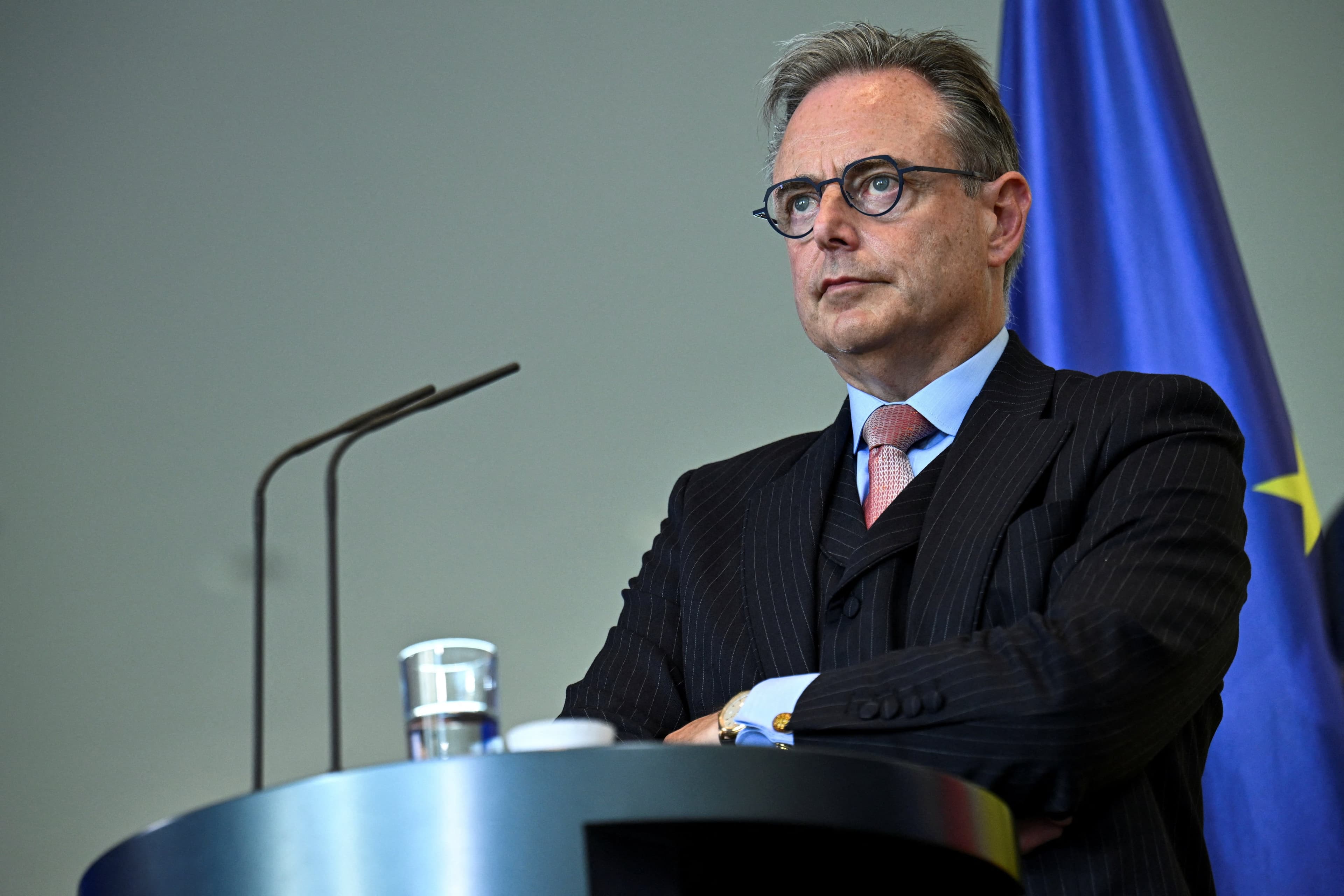
The reluctance among European leaders, including Belgian Prime Minister Alexander De Croo, to pursue the seizure of Russian assets stems from fears of legal backlash and financial repercussions. Politicians are concerned that aggressive actions could lead to significant costs for ordinary citizens, including interest payments, compensation claims, and damage to the credibility of European banks.
The ongoing conflict in Ukraine and the broader geopolitical landscape have intensified the scrutiny of economic sanctions against Russia. As the European bloc, valued at approximately $20 trillion, continues to grapple with the complexities of sanction enforcement, the effectiveness of these measures remains a contentious topic.
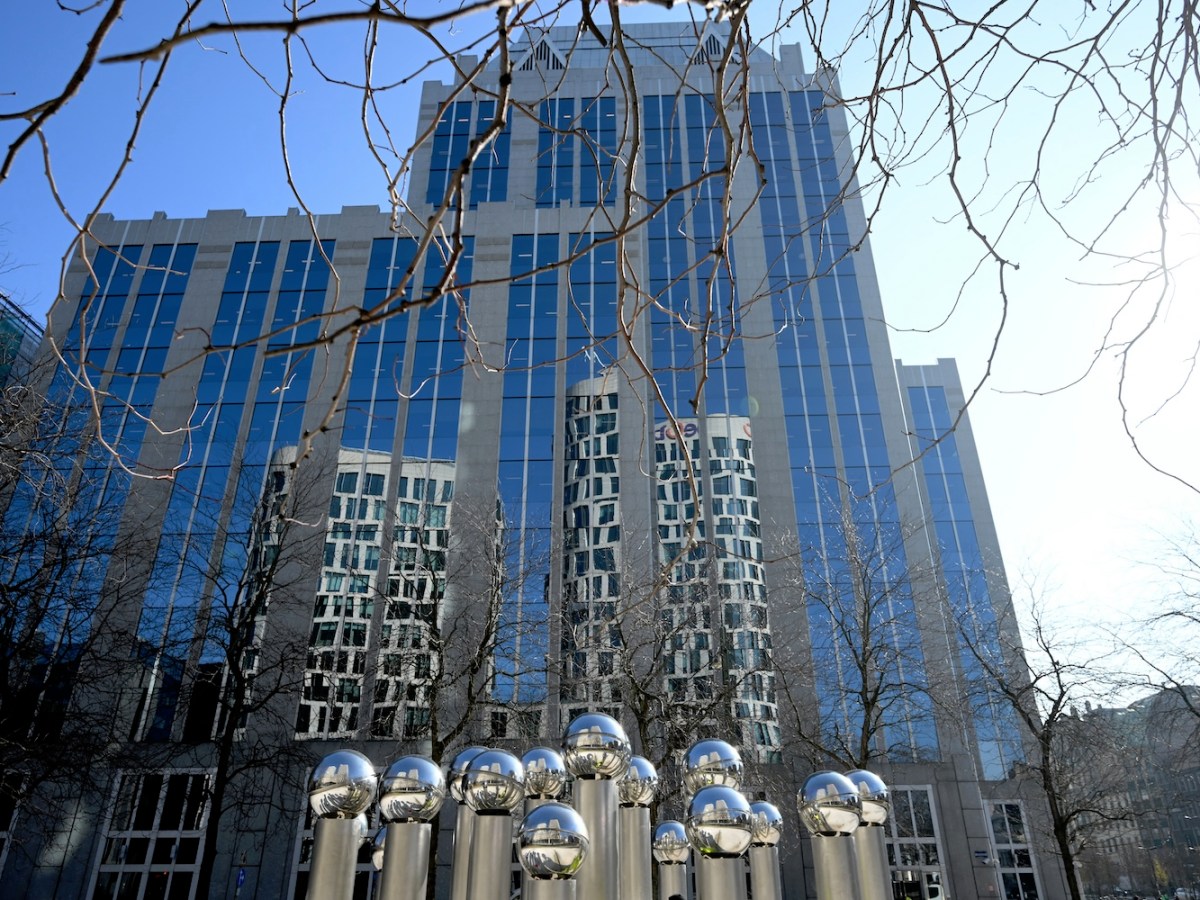
Image for European leaders hesitant to seize Russia"s frozen assets in Euroclear Bank
What"s Next
As the situation evolves, European leaders will need to carefully weigh the potential risks and benefits of any actions regarding Russian assets. The legal precedents set in jurisdictions like Hong Kong and Dubai may influence future decisions, as European institutions navigate the intricate balance between enforcing sanctions and protecting their financial interests. The ongoing war in Ukraine underscores the high stakes involved, as Europe seeks to maintain its economic integrity while confronting one of the most sanctioned economies globally.
For further insights into related economic developments, see our recent developments regarding the European Central Bank"s stance on Ukraine loan proposals.
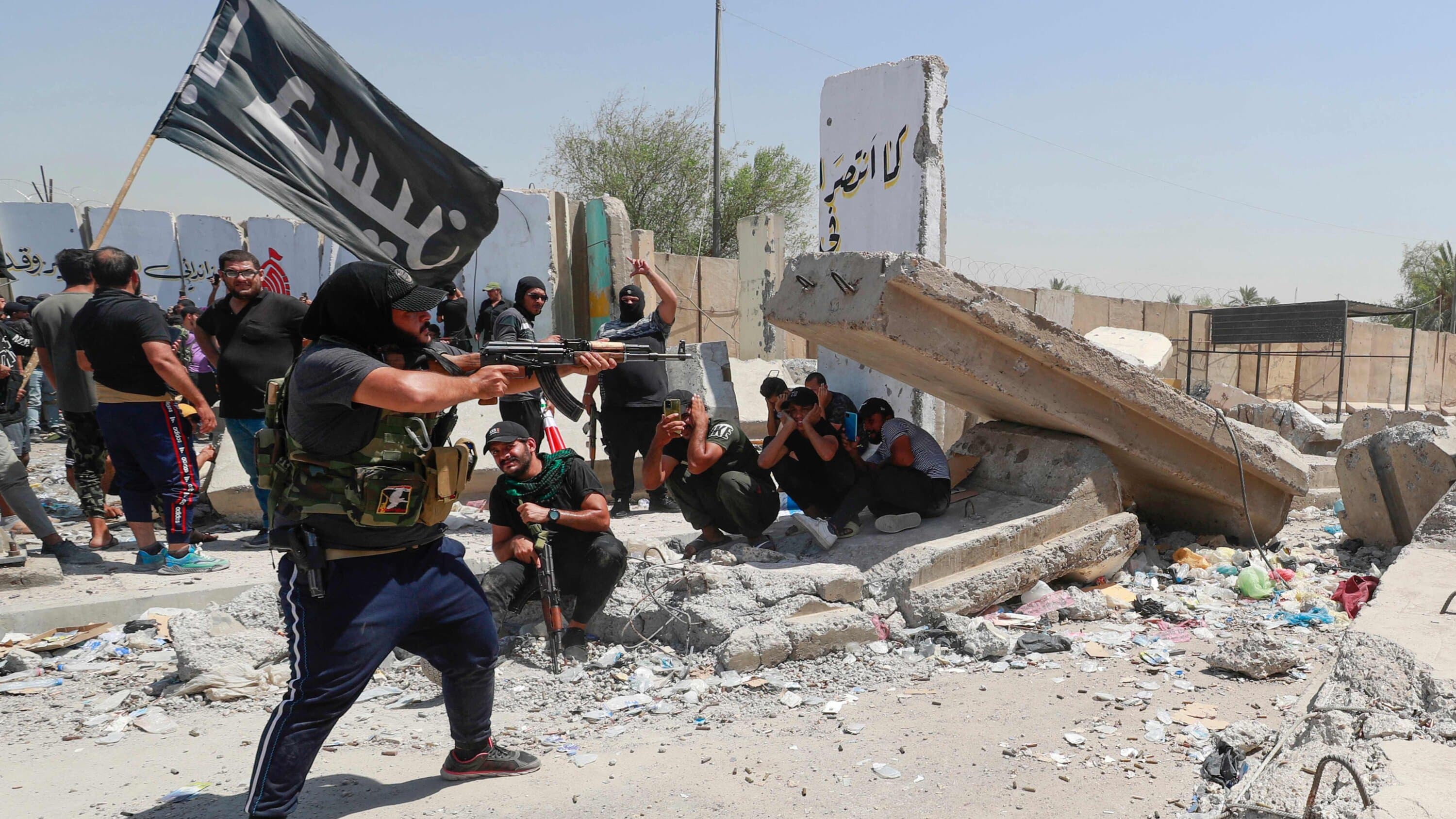
![[Video] Gunfire between Iraqi security forces and Sadr militias in Baghdad](/_next/image?url=%2Fapi%2Fimage%2Fthumbnails%2Fthumbnail-1768343508874-4redb-thumbnail.jpg&w=3840&q=75)