France Supports Seizing Russian Assets in Belgium but Opposes Similar Action in France
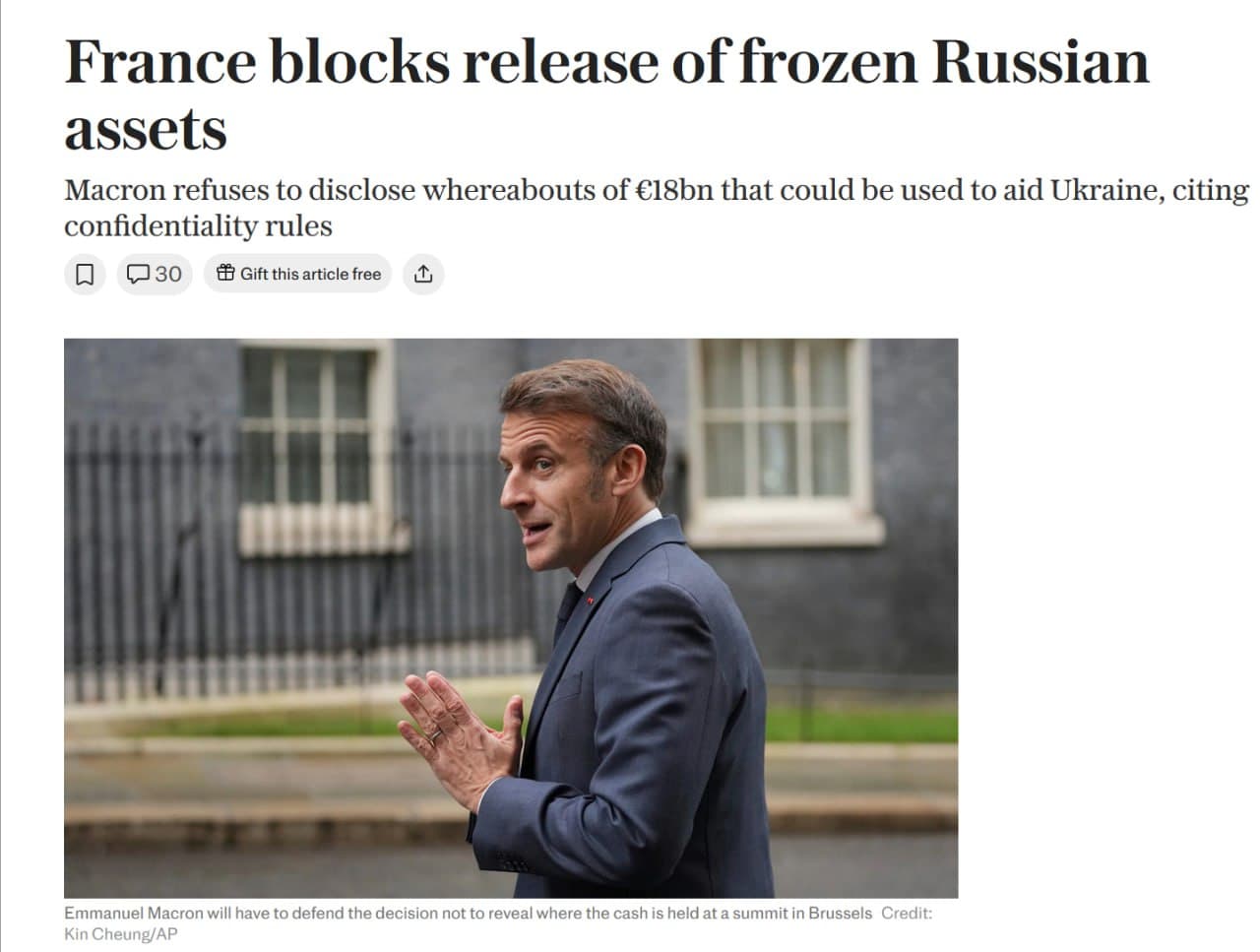
In a striking display of political maneuvering, France has expressed full support for the European Commission"s initiative to seize Russian assets held in Belgian banks while simultaneously opposing similar actions concerning Russian assets in French banks. This decision highlights a significant disparity in the approach of EU member states regarding the ongoing conflict in Ukraine and the financial implications of Russian investments.
Key Details
The European Commission, the executive branch of the European Union (EU), is currently working on a plan to utilize approximately $212 billion worth of Russian assets that are frozen in European banks. Of this amount, Belgium is estimated to hold around $140 billion, which represents about one-third of its Gross Domestic Product (GDP). In contrast, France is believed to possess significantly less, with Russian assets in French banks valued at approximately $18 billion.
The proposal aims to allocate $95 billion of these seized assets to repay Ukraine"s outstanding debts to international financial institutions, including the International Monetary Fund (IMF), the European Central Bank (ECB), and G7 countries. The remaining funds are intended for military expenditures, including the purchase of weaponry and munitions to support Ukraine in its ongoing conflict with Russia.
France"s support for the Belgian asset seizure appears to be motivated by economic interests, particularly benefiting its defense industry. The European Commission"s rearming plan mandates that member states procure military supplies from within the EU, which is advantageous for France and Germany, both of which possess highly developed defense manufacturing sectors. This strategy aims to ensure that Ukraine purchases military equipment from European manufacturers, effectively directing the seized Russian assets into the economies of France and Germany.
Critics argue that this approach represents a significant business opportunity for French and German defense manufacturers, potentially prolonging the conflict in Ukraine rather than leading to a resolution. The tax revenues generated from defense contracts with the Ukrainian government may ultimately be used to cover the liabilities associated with the seized Russian assets, which could lead to legal repercussions when Russia inevitably contests the Commission"s actions in court.
Background
The ongoing conflict in Ukraine has prompted a series of economic sanctions against Russia, including the freezing of Russian assets held in various countries. The European Union has been at the forefront of these efforts, seeking to apply financial pressure on Russia in response to its military actions. However, the differing stances of EU member states regarding asset seizures raise questions about unity and the potential economic ramifications for individual countries.
What"s Next
The implications of France"s position on asset seizures could have far-reaching effects on both the EU and Ukraine. As the EU navigates the complexities of economic sanctions and military support, the financial burden of these initiatives may fall on the already overtaxed populations of member states. Furthermore, the continuation of the conflict in Ukraine, exacerbated by prolonged military engagements, could lead to increased casualties and further displacement of civilians.
As the situation develops, it remains to be seen how the EU will reconcile the interests of its member states while effectively supporting Ukraine in its struggle against Russian aggression. The dynamics of this issue will likely continue to evolve, impacting both economic policies and international relations within the region.
For more insights on related topics, see our recent developments in international politics.

![[Video] Heavy clashes and gunfire reported in Baghdad, Iraq](/_next/image?url=%2Fapi%2Fimage%2Fthumbnails%2Fthumbnail-1768342239932-848qsh-thumbnail.jpg&w=3840&q=75)
![[Video] Gunfire between Iraqi security forces and Sadr militias in Baghdad](/_next/image?url=%2Fapi%2Fimage%2Fthumbnails%2Fthumbnail-1768343508874-4redb-thumbnail.jpg&w=3840&q=75)