German Lawmakers to Approve €52 Billion Military Procurement Contracts
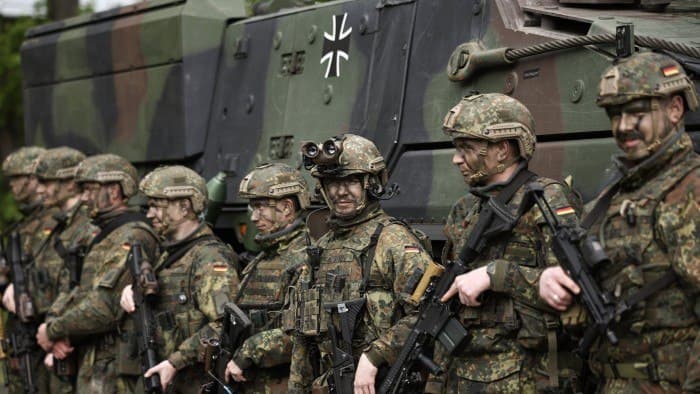
In a significant move for the nation"s defense capabilities, German lawmakers are poised to approve a historic €52 billion (approximately $61 billion) in military procurement contracts next week. This decision will mark the largest single-year commitment to defense equipment in Germany"s history, reflecting the country"s intensified focus on modernizing its military amid escalating geopolitical tensions.
Key Details
The upcoming procurement package will fund 73 major projects aimed at revitalizing the Bundeswehr, Germany"s armed forces. Among the key acquisitions included in this substantial investment are:
- F-35 Jets: These advanced stealth fighter aircraft are designed for a range of combat scenarios and are a crucial component of modern air forces.
- Joint Strike Missiles: These missiles enhance the strike capabilities of the Bundeswehr, allowing for precision targeting in various operational environments.
- Aladin Reconnaissance Drones: These unmanned aerial vehicles will bolster Germany"s surveillance and reconnaissance capabilities, providing critical intelligence in real-time.
- G95 Assault Rifles: The procurement of these modern firearms aims to equip soldiers with reliable and effective weaponry.
- Air Defense Systems: These systems are essential for protecting German airspace from potential threats, enhancing national security.
- Armored Vehicles: The acquisition of new armored vehicles will improve troop mobility and protection in various combat situations.
- Small Arms: The package also includes various small arms to ensure that personnel are well-equipped for diverse operational needs.
This procurement initiative builds upon previous approvals totaling over €33 billion for the year 2025, highlighting a sustained commitment to defense spending. The funding is part of Chancellor Friedrich Merz"s broader pledge to establish Germany as home to Europe"s strongest conventional army, a goal that has gained urgency in light of rising global tensions and security challenges.
The contracts are expected to primarily benefit domestic defense firms, including renowned manufacturers such as Heckler & Koch and Rheinmetall. These companies are well-established players in the defense industry, known for their high-quality military equipment and innovations.
Before the contracts can be finalized, they require approval from the parliamentary budget committee, which will review the details of the procurement package. This step is crucial to ensure that the funding aligns with Germany"s defense strategy and budgetary constraints.
Background
The decision to significantly increase military spending comes in the wake of heightened security concerns across Europe, particularly in relation to conflicts and tensions involving NATO and non-NATO countries. Germany"s commitment to enhancing its military capabilities is part of a broader trend among European nations to bolster defense spending in response to perceived threats.
Chancellor Friedrich Merz, who has been in office since late 2021, has emphasized the importance of a robust military as a deterrent against aggression and a means to fulfill Germany"s obligations within NATO. His administration has faced pressure to modernize the Bundeswehr, which has been criticized for being underfunded and lacking in modern equipment.
What"s Next
The approval of the €52 billion military procurement contracts is expected to have far-reaching implications for Germany"s defense posture and its role within NATO. As Europe continues to navigate complex security challenges, the modernization of the Bundeswehr will likely enhance Germany"s ability to respond to crises and contribute to collective defense efforts.
Moreover, the focus on domestic defense contractors may stimulate the German economy, creating jobs and fostering innovation within the defense sector. As previously reported, the commitment to military spending aligns with a growing trend among European nations to prioritize national security in their budgets.
As the parliamentary budget committee prepares to review the contracts, all eyes will be on the outcome, which could set a precedent for future defense spending in Germany and beyond.
![[Video] Gunfire between Iraqi security forces and Sadr militias in Baghdad](/_next/image?url=%2Fapi%2Fimage%2Fthumbnails%2Fthumbnail-1768343508874-4redb-thumbnail.jpg&w=3840&q=75)