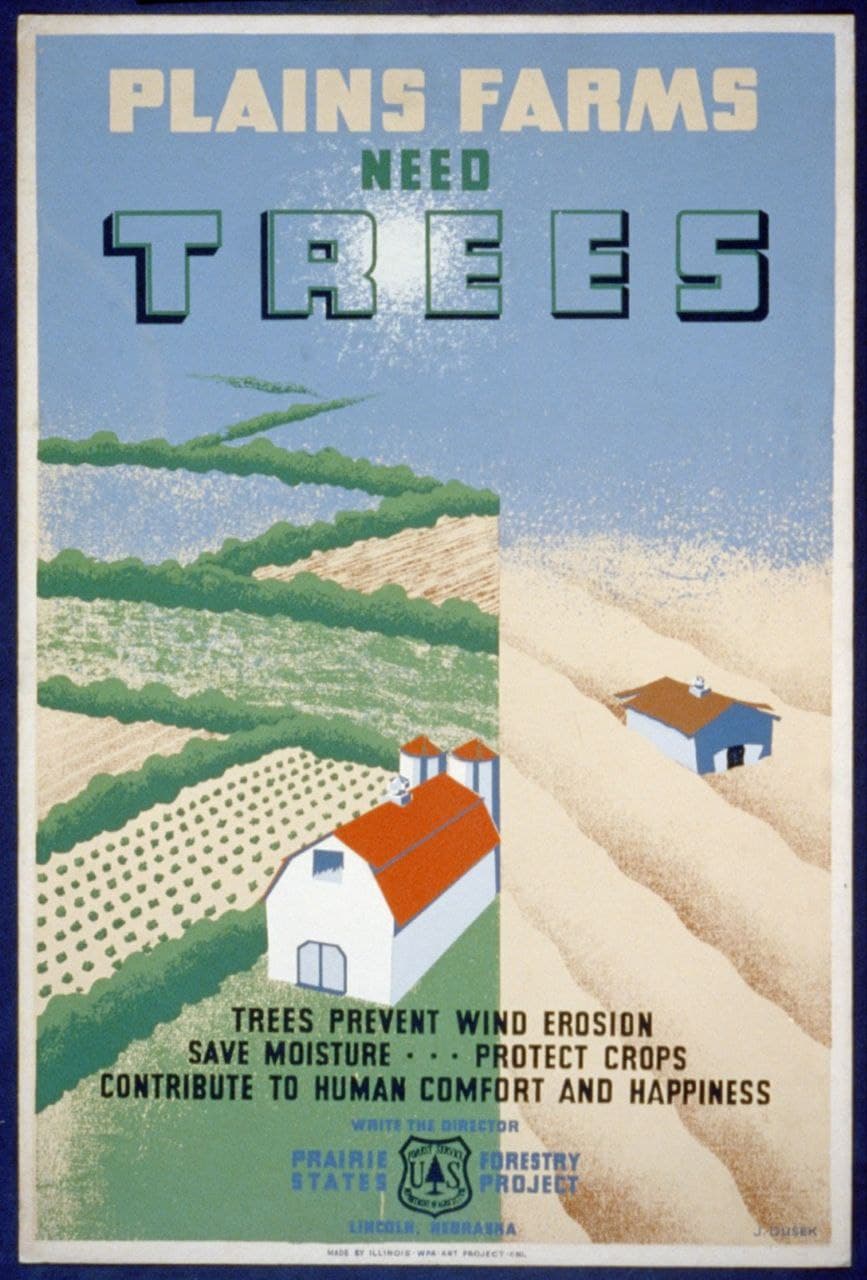
In the Plains region of the United States, a significant environmental initiative is underway to remember and rebuild historic shelterbelts, which have played a crucial role in enhancing the livability of the area for both humans and wildlife. This effort is rooted in a long history of tree planting that dates back to ancient times, with both natural and human contributions shaping the landscape.
Key Details
The Prairie States Forestry Project, part of President Franklin D. Roosevelt"s New Deal, was a pivotal program that facilitated the planting of nearly 250,000 acres of windbreaks over an eight-year period during the 1930s. This initiative aimed to combat soil erosion and improve agricultural productivity in the region, which was severely affected by the Dust Bowl. Despite the removal of many of these shelterbelts over the years, a considerable number still exist and continue to serve landowners by providing essential wind protection and habitat for various species.
The concept of planting trees as windbreaks was not entirely new when the New Deal was implemented. European settlers who moved to the Plains after the Civil War brought their tree-planting techniques with them. One notable early effort occurred in 1885 at South Dakota State University in Brookings, where students engaged in a tree-planting project aimed at establishing shelterbelts on the campus grounds during their spring term. This initiative exemplified the long-standing tradition of utilizing trees to enhance agricultural practices and protect farmland from harsh weather conditions.
Background
The historical context of shelterbelts in the Plains region highlights the ongoing struggle against environmental challenges such as soil erosion and extreme weather. The Dust Bowl of the 1930s, a period characterized by severe drought and poor agricultural practices, underscored the need for effective land management strategies. The Roosevelt administration"s response through the Prairie States Forestry Project was a direct acknowledgment of these challenges and aimed to foster a more sustainable agricultural environment.
As the landscape has evolved, many of the original shelterbelts have been lost due to urban development, changes in land use, and agricultural practices that prioritize short-term productivity over long-term sustainability. However, the remaining shelterbelts continue to provide vital ecosystem services, including wind protection, soil preservation, and wildlife habitat, making their preservation and restoration a priority for conservationists and landowners alike.
What"s Next
The movement to remember and rebuild these historic shelterbelts reflects a growing recognition of the importance of sustainable land management practices. As communities and environmental organizations work together to restore these natural barriers, there is potential for improved agricultural resilience and enhanced biodiversity in the region. The ongoing efforts to maintain and expand these shelterbelts not only honor the legacy of past initiatives but also pave the way for future generations to benefit from the ecological advantages they provide.
For those interested in related environmental developments, recent reports on erosion management, such as the research presented by architect Tobias Helmersson on erosion in rammed earth, highlight the broader context of land preservation efforts across various regions. These discussions emphasize the importance of integrating historical knowledge with modern practices to address contemporary environmental challenges.

![[Video] Mount Etna erupts in Sicily, lava reaches 400 meters, yellow alert issued](/_next/image?url=%2Fapi%2Fimage%2Fthumbnails%2Fthumbnail-1766917884234-2sqn18-thumbnail.jpg&w=3840&q=75)
![[Video] Hawaii's Kilauea volcano erupts, fountains reach 70 ft, USGS reports](/_next/image?url=%2Fapi%2Fimage%2Fthumbnails%2Fthumbnail-1766574042820-tucull-thumbnail.jpg&w=3840&q=75)


![[Video] Gunfire between Iraqi security forces and Sadr militias in Baghdad](/_next/image?url=%2Fapi%2Fimage%2Fthumbnails%2Fthumbnail-1768343508874-4redb-thumbnail.jpg&w=3840&q=75)