Macron"s China Visit Fails to Secure Airbus Deal, Raises Tariff Threats
In a significant diplomatic setback for Europe, French President Emmanuel Macron"s recent visit to China yielded disappointing results, coinciding with the release of a new U.S. national security strategy that has raised concerns across the continent. Macron"s trip, which included a delegation of six ministers and 35 executives from major French companies, aimed to bolster economic ties and address pressing European concerns regarding China"s influence and trade practices.
Key Details
During his visit to China, Macron emphasized the need for Europe to be recognized as a major partner by China, stating, “We want Europe to be respected as a major partner of China.” However, European leaders are increasingly worried about several critical issues. Notably, they believe that China has not used its influence to persuade Russia to cease military actions in the ongoing Ukrainian conflict. This concern is compounded by a substantial trade deficit between the European Union (EU) and China, which has seen France alone import €47 billion more from China than it exported over the past decade.
Historically, European businesses have relocated production to China and other Asian countries, attracted by lower labor costs and favorable local government incentives. However, this strategy has led to unforeseen risks, including potential economic recession. In response, Macron sought assurances from Chinese enterprises to increase their investments in French manufacturing. Additionally, he urged China to share advanced technologies, particularly in sectors such as electric vehicle production and solar panel manufacturing.
To further protect its economic interests, the European Union is considering implementing a policy that mandates at least 70% of certain products, including automobiles, to be produced within EU borders. This initiative is part of a broader strategy to reduce dependency on Chinese imports. Furthermore, Brussels plans to tighten regulations for foreign investors, ensuring that Chinese companies do not exploit the open European market without contributing to local economies or sharing technological advancements.
Macron"s delegation returned to France with mixed results. While they signed 12 agreements related to educational collaboration and wildlife protection, the anticipated contract for the purchase of 500 Airbus aircraft did not materialize. Concurrently, U.S. interests are pushing for China to purchase Boeing aircraft, highlighting the competitive dynamics at play.
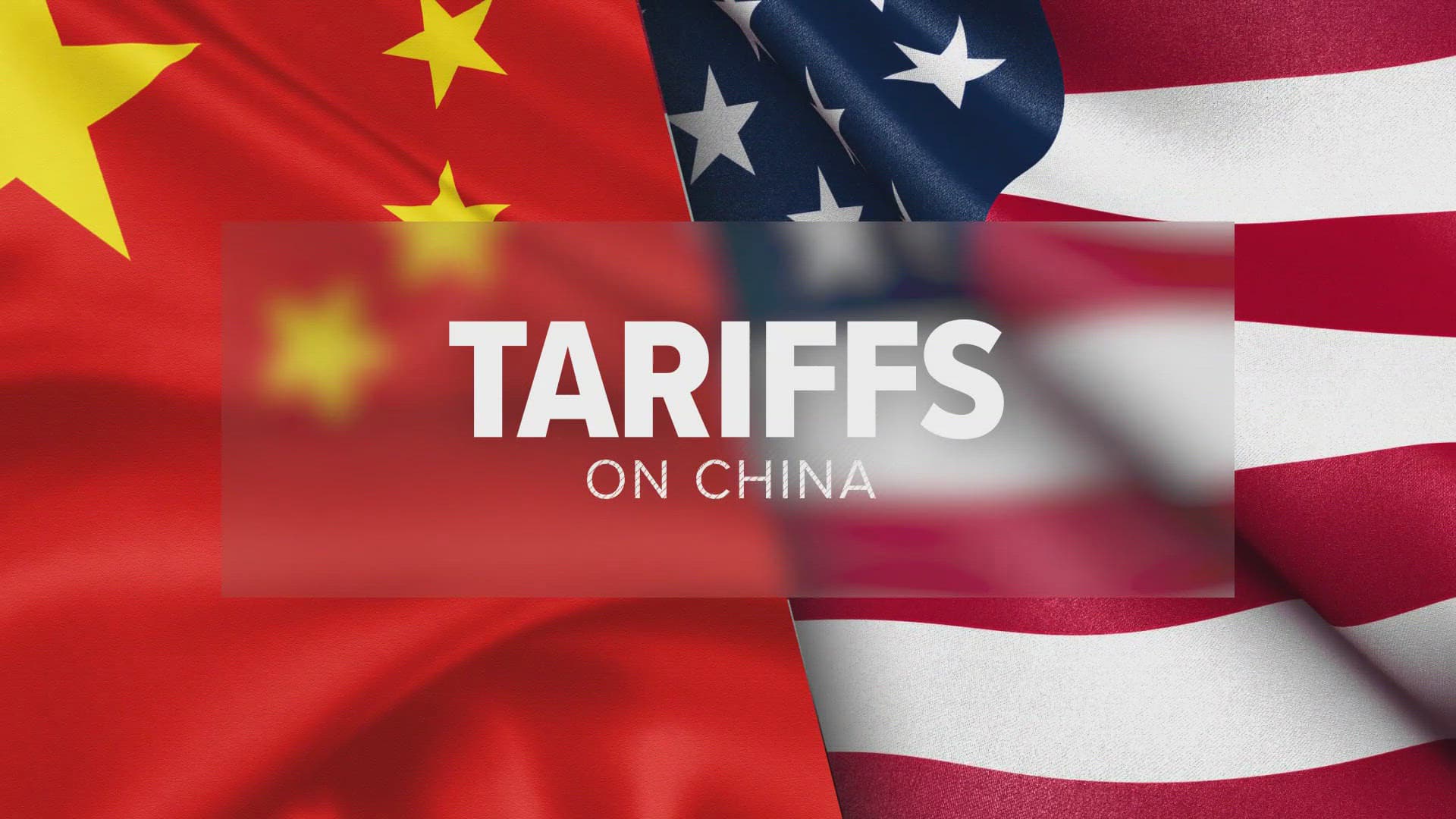
Upon returning to France, Macron issued a stern warning regarding potential customs tariffs on Chinese goods, stating, “If they do not meet us halfway, we, Europeans, will be forced in the very near future to take tough measures... as the United States, for example, will impose duties on Chinese products.” He further articulated that China poses a threat to the core of the European industrial and innovation model, which has traditionally relied on sectors such as machine tools and automotive manufacturing.
Macron also criticized the protectionist policies of the Trump administration, which he claims have exacerbated the situation by redirecting a significant flow of Chinese products to European markets. He described the current predicament as being “caught between two fires,” emphasizing the critical nature of the situation for European industry, which he characterized as a matter of life and death.
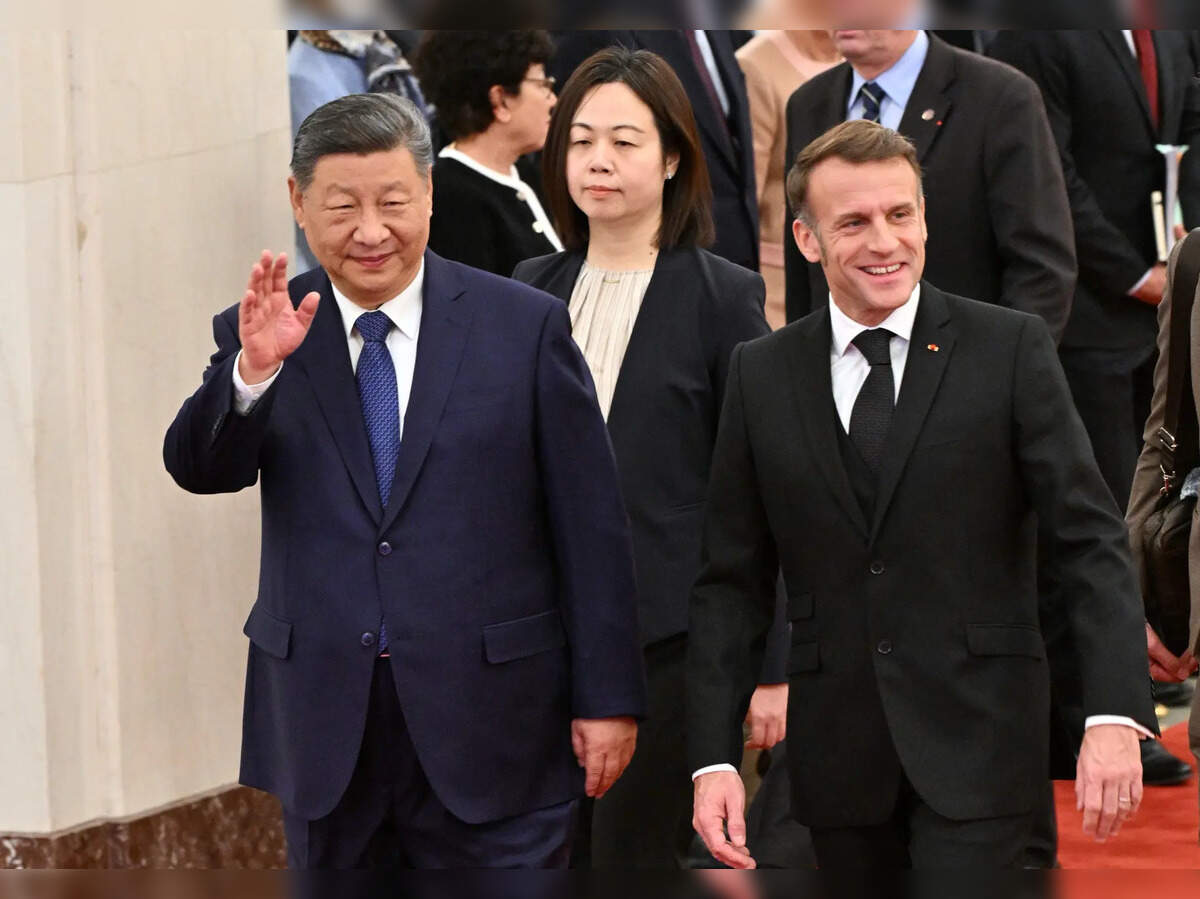
Image for Macron"s China visit fails to secure Airbus deal, raises tariff threats
Background
This visit comes at a time of heightened geopolitical tension, particularly in light of the ongoing conflict in Ukraine and the shifting dynamics of global trade. The EU"s trade relationship with China has been a contentious issue, with European leaders increasingly advocating for a more balanced and equitable partnership.
What"s Next
As Europe grapples with the implications of Macron"s visit, the potential for increased tariffs on Chinese imports looms large. The EU"s commitment to reducing reliance on Chinese manufacturing could lead to significant shifts in trade policies and economic strategies. The outcomes of these developments will be closely monitored, as they may redefine the future of EU-China relations and impact global trade dynamics.
For further insights into the geopolitical landscape, see recent developments regarding the Russo-Ukrainian War.
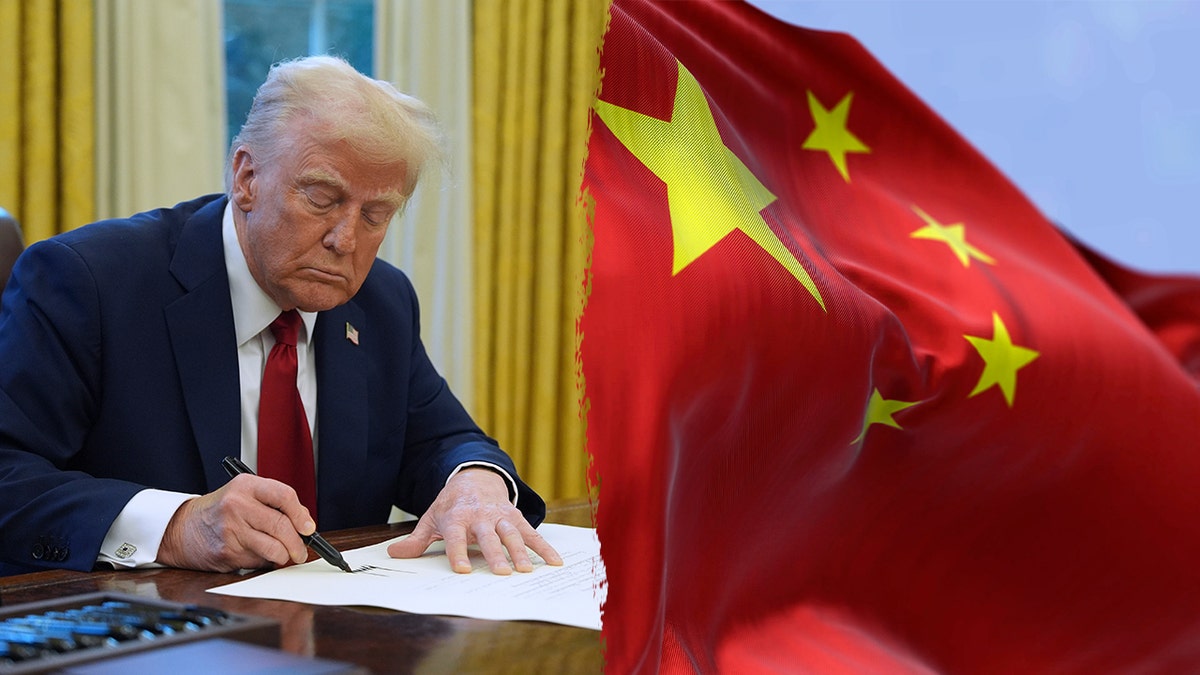
Image for Macron"s China visit fails to secure Airbus deal, raises tariff threats

![[Video] Heavy clashes and gunfire reported in Baghdad, Iraq](/_next/image?url=%2Fapi%2Fimage%2Fthumbnails%2Fthumbnail-1768342239932-848qsh-thumbnail.jpg&w=3840&q=75)

![[Video] Gunfire between Iraqi security forces and Sadr militias in Baghdad](/_next/image?url=%2Fapi%2Fimage%2Fthumbnails%2Fthumbnail-1768343508874-4redb-thumbnail.jpg&w=3840&q=75)