Combat in Normandy’s Hedgerows: A Tactical Challenge for Allied Forces
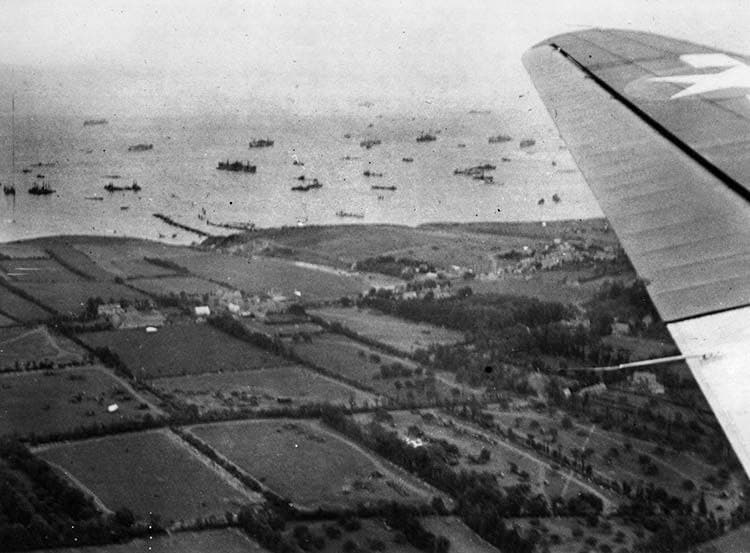
During World War II, the hedgerows of Normandy presented a significant obstacle to Allied forces during the D-Day invasion and subsequent battles in 1944. These natural barriers, created centuries earlier by Norman farmers, played a crucial role in shaping the combat landscape in northwestern France, particularly during the intense fighting that occurred in the region.
Key Details
Hedgerows, which are dense earth mounds, were historically used by farmers in Normandy to delineate property lines, control livestock, and prevent soil erosion caused by the strong winds from the English Channel. These structures typically ranged from three to twelve feet in height and one to four feet in thickness. In some instances, the growth of vines, brush, small trees, thorns, and brambles on top of the hedgerows extended their height to as much as fifteen feet, creating formidable barriers.
The fields enclosed by these hedgerows varied in shape but averaged about 400 yards in length and 200 yards in width. This asymmetrical layout contributed to the unique landscape of Normandy, making it difficult for military vehicles to navigate. The entrances to these fields were often sunken lanes that provided access for farm equipment and livestock, connecting various hedgerow fields to farmers" houses, wagon trails, and roads.
Allied soldiers, particularly tank crews, were astonished by the terrain"s complexity. The design of the hedgerows effectively hindered tank movement, as the vehicles could neither penetrate nor roll over these natural fortifications. This limitation forced infantry units to engage in close combat, which was often brutal and chaotic.
Background
The hedgerows of Normandy were not only a product of agricultural practices but also a defining feature of the region"s landscape. Their historical significance dates back centuries, as local farmers utilized these structures to manage their land effectively. The hedgerows became a tactical advantage for German forces, who were well-acquainted with the terrain, allowing them to establish defensive positions that leveraged the natural barriers.
The combat in the hedgerows was characterized by intense and often deadly encounters. Soldiers had to adapt their tactics to the challenging environment, leading to innovative strategies that would later influence urban warfare tactics in subsequent conflicts. The difficulties faced by the Allied forces in navigating the hedgerows underscored the importance of understanding terrain in military operations.
Impact
The challenges posed by Normandy"s hedgerows had lasting implications for military strategy and tactics. The experience gained in these battles contributed to the development of new approaches to combat in similar environments, emphasizing the need for adaptability and the importance of terrain analysis in military planning. As the Allies continued their campaign across Europe, the lessons learned in Normandy would inform future operations, shaping the course of the war.
In summary, the hedgerows of Normandy were not merely geographical features but critical elements that influenced the dynamics of combat during one of history"s most significant military campaigns. The combination of natural barriers and the strategic use of the landscape by both Allied and German forces highlighted the complexities of warfare in such environments.
For more on the historical context of military operations, see recent developments in military strategy.





![[Video] Gunfire between Iraqi security forces and Sadr militias in Baghdad](/_next/image?url=%2Fapi%2Fimage%2Fthumbnails%2Fthumbnail-1768343508874-4redb-thumbnail.jpg&w=3840&q=75)