Saudi Arabia and UAE Engage in Public Dispute Over Regional Policies
In a significant escalation of tensions, Saudi Arabia and the United Arab Emirates (UAE) have publicly clashed over their regional policies, reflecting deepening divisions between the two Gulf allies. This dispute arises as both nations navigate their roles in a complex geopolitical landscape, particularly in relation to Israel and the Muslim Brotherhood.
Key Details
Recent statements from Emirati officials criticized Saudi Arabia for its support of the Muslim Brotherhood, accusing it of "bullying" smaller neighbors. In response, Saudi officials condemned the UAE, labeling it as "anti-Islamic" and "pro-Israel," while also accusing it of recklessly supporting secessionist movements across the region. This exchange of harsh rhetoric mirrors the animosity previously directed at Qatar during the Saudi-led blockade from 2017 to 2021.
The UAE"s decision to sign the Abraham Accords with Israel in 2020 marked a pivotal shift in the dynamics of the Saudi-Emirati relationship. Unlike previous peace initiatives, the Abraham Accords notably separated the normalization of relations with Israel from the ongoing Palestinian issue. This approach allowed the UAE to pursue enhanced security cooperation, intelligence sharing, and political alignment with Israel, largely disregarding developments related to the Israeli-Palestinian conflict.
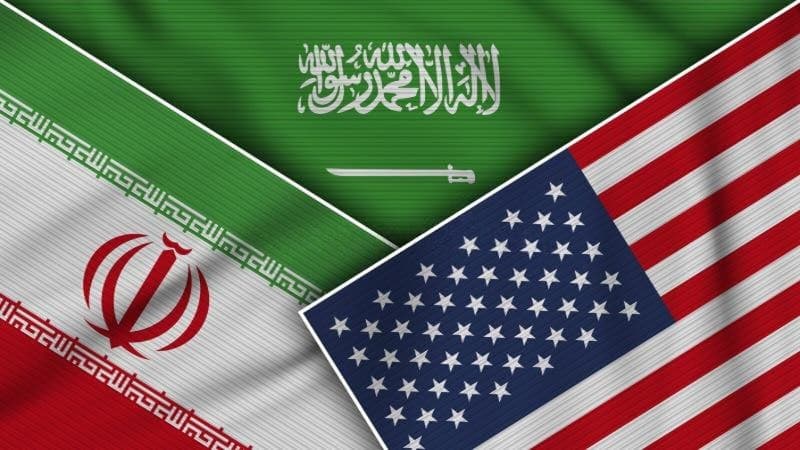
For several years, this strategy appeared effective, particularly as the Biden administration focused on facilitating Saudi Arabia"s own normalization agreement with Israel, while largely sidelining the Palestinian cause. During this period, both Saudi Arabia and the UAE ended their blockade of Qatar, reconciled with Turkey, and sought to improve relations with Iran, aiming to mitigate regional conflicts.
Regional Implications
The emerging rift between Saudi Arabia and the UAE, particularly in relation to their respective alliances with Israel, could compel other nations in the region to take sides. Smaller states, which typically prefer to maintain neutrality, may find themselves drawn into this escalating rivalry. Notably, many Gulf states, including Egypt, appear to be aligning more closely with Saudi Arabia.
The UAE"s support for the Rapid Support Forces (RSF) in Sudan has already led to increased violence and atrocities, while the Libyan National Army, led by Khalifa Haftar, threatens to disrupt the fragile stability in Libya. Additionally, the UAE is reportedly advocating for southern secession in Yemen, although recent reports indicate that the rebel leader has fled the country. The situation is further complicated by secessionist movements among the Druze in Syria, which undermine Saudi and Qatari efforts to stabilize the post-Assad regime.
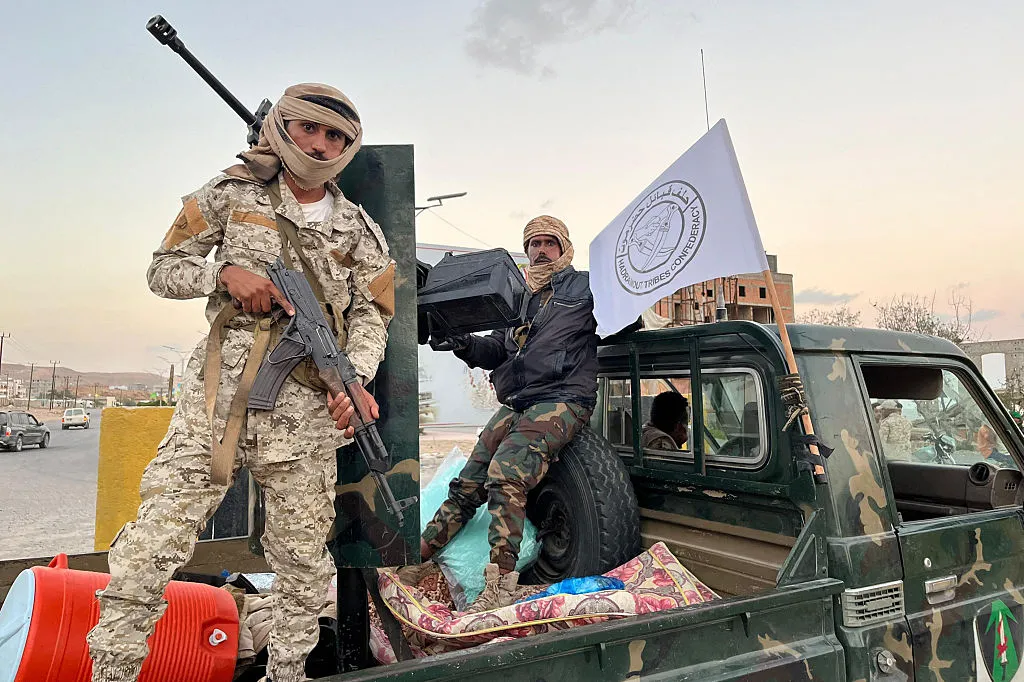
Image for Saudi Arabia and UAE engage in public dispute over regional policies
Geopolitical Context
The competition between Saudi Arabia and the UAE extends beyond the Middle East, encompassing the Horn of Africa and the Red Sea. Israel"s recent recognition of Somaliland, although not yet mirrored by the UAE or other potential partners, could enhance the UAE"s strategic position in the region, especially given its control over the port of Aden. This control is crucial for access to the Bab el-Mandeb Strait, a vital maritime chokepoint leading to the Red Sea and the Suez Canal.
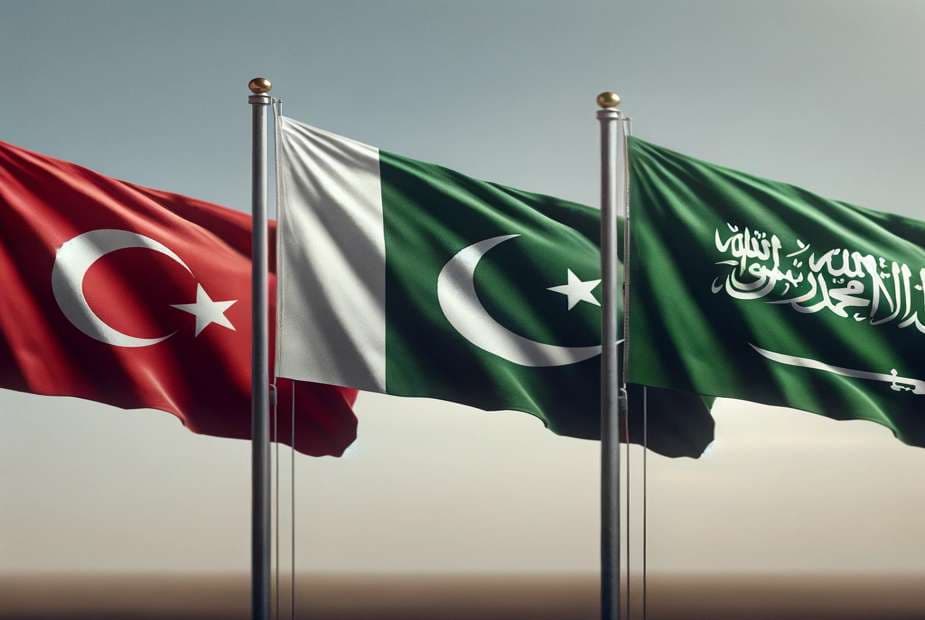
The ongoing civil war in Sudan is not merely a local conflict; its ramifications extend to Egypt, Ethiopia, Libya, and the broader East African region. The potential for alliances involving countries like India, which has shown sympathy towards Israel, and Pakistan, which recently entered a strategic partnership with Saudi Arabia, further complicates the geopolitical landscape.
Future Outlook
The current geopolitical tensions in the region may be exacerbated by a distracted and dysfunctional U.S. administration, which could lead to impulsive actions that escalate conflicts. As the situation continues to evolve, the implications for regional stability remain uncertain, with the potential for further divisions and conflicts among Gulf states and their allies.
For more on related coverage, see recent developments in the region.
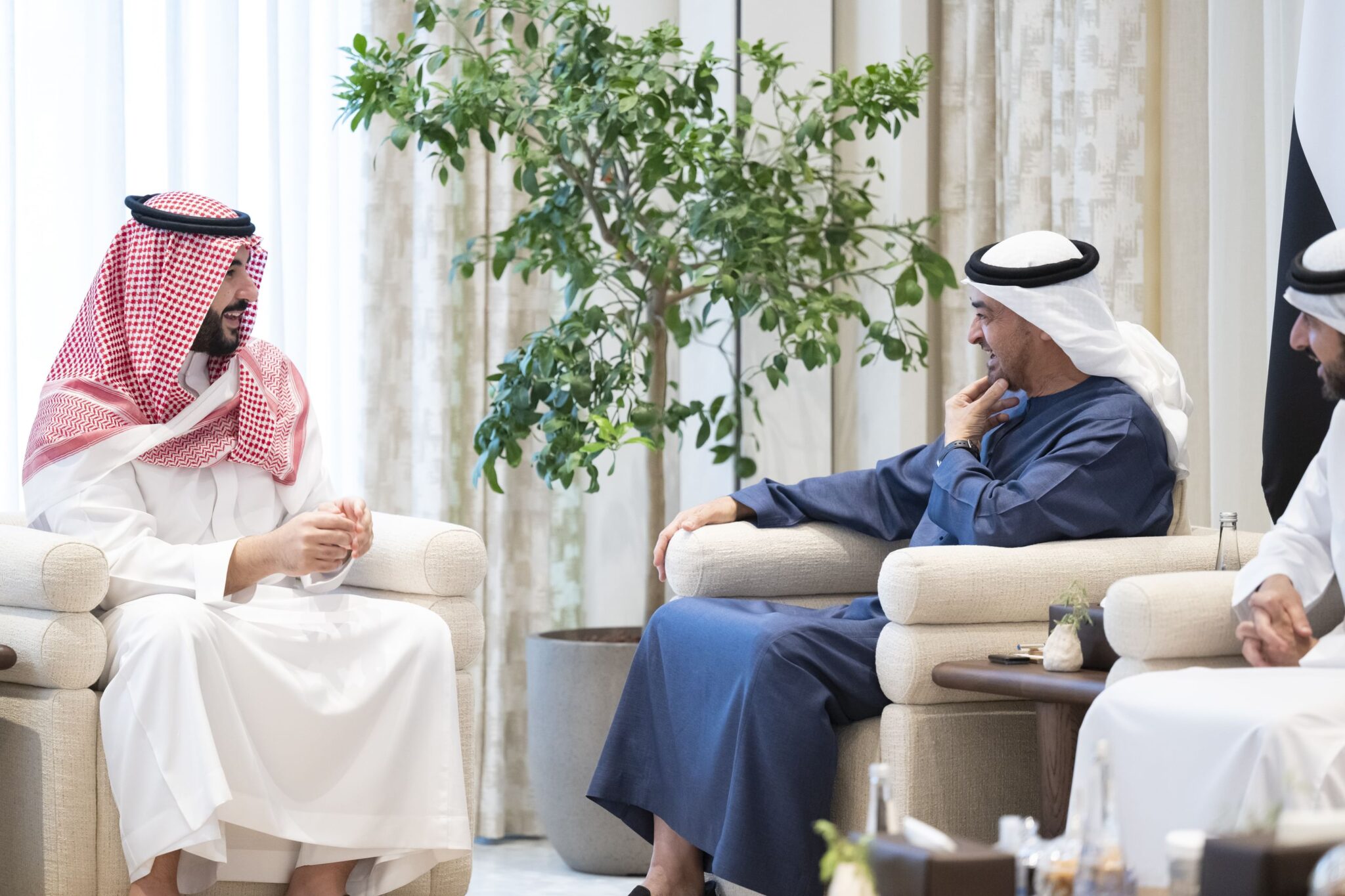
Image for Saudi Arabia and UAE engage in public dispute over regional policies

![[Video] Heavy clashes and gunfire reported in Baghdad, Iraq](/_next/image?url=%2Fapi%2Fimage%2Fthumbnails%2Fthumbnail-1768342239932-848qsh-thumbnail.jpg&w=3840&q=75)
![[Video] Gunfire between Iraqi security forces and Sadr militias in Baghdad](/_next/image?url=%2Fapi%2Fimage%2Fthumbnails%2Fthumbnail-1768343508874-4redb-thumbnail.jpg&w=3840&q=75)