Title: Tens of Thousands in Berlin Lose Power After Sabotage by Vulkangruppe
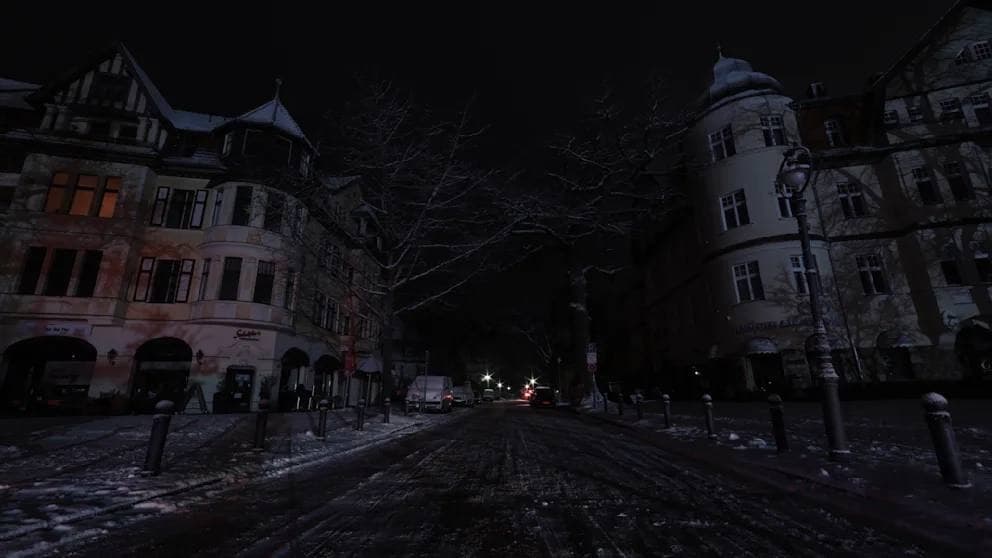
On Sunday, January 4, 2026, tens of thousands of residents in one of Berlin"s wealthiest areas were left without electricity and heating due to a sabotage attack attributed to a left-wing militant group known as the Vulkangruppe, or Volcano Group. This incident marks a significant escalation in the group"s activities, which they claim are aimed at protesting the climate crisis and the rise of artificial intelligence (AI).
Key Details
The sabotage involved an intentional arson attack on a key power station located in a high-income district of Berlin. The Vulkangruppe has publicly taken responsibility for this act, framing it as a protest against what they perceive as urgent issues related to climate change and the unchecked development of AI technologies. The attack resulted in widespread power outages, affecting not only residential areas but also critical infrastructure reliant on consistent electricity supply.
This is not the first time the Vulkangruppe has engaged in such actions. In 2024, the group claimed responsibility for an arson attack on a Tesla factory located just outside Berlin. That incident similarly resulted in a significant disruption, cutting off electricity to the plant and halting production. The Tesla factory incident highlighted the group"s ongoing campaign against corporations they believe contribute to environmental degradation and technological overreach.
Background
The Vulkangruppe is a left-wing militant organization that has gained notoriety for its radical methods of protest. Their actions are rooted in a broader context of increasing climate activism, where some factions have resorted to extreme measures to draw attention to their causes. The group"s name, which translates to "Volcano Group," symbolizes their intention to erupt against what they view as societal complacency regarding climate issues.
Berlin, known for its wealth and progressive policies, has become a focal point for various protests and movements, particularly those centered around environmental concerns. The city"s infrastructure, including its power stations, has been a target for activists seeking to disrupt the status quo and provoke governmental and corporate accountability regarding climate change.
Impact
The immediate impact of the Vulkangruppe"s latest attack has been felt across the affected neighborhoods, with residents experiencing not only the inconvenience of power outages but also potential safety risks associated with the loss of heating during the winter months. The incident raises questions about the security of critical infrastructure in urban areas and the potential for further escalations in militant activism as climate issues continue to dominate global discourse.
As previously reported, the Vulkangruppe"s tactics reflect a growing trend among some activist groups to adopt more aggressive forms of protest. This incident may prompt a reevaluation of security measures at essential facilities and could lead to increased scrutiny of the motivations and actions of such groups. The ongoing dialogue surrounding climate change and technological advancement is likely to intensify as more individuals and organizations grapple with the implications of these radical actions.
For further insights into related developments, recent developments in protests across the globe highlight the rising tensions between activists and authorities.

![[Video] Gunfire between Iraqi security forces and Sadr militias in Baghdad](/_next/image?url=%2Fapi%2Fimage%2Fthumbnails%2Fthumbnail-1768343508874-4redb-thumbnail.jpg&w=3840&q=75)