Trump Claims Authority Limits Defined by His Own Morality, Not Laws
Author: James Mitchell
Date: January 8, 2026
In a recent interview with The Times, former President Donald Trump articulated a vision of American power that prioritizes national strength over international law and treaties. He emphasized that he would determine the limits of his authority based on his own moral compass rather than established global norms.
Key Details
During the interview, Trump expressed a bold perspective on the use of military, economic, and political power to assert American dominance on the world stage. He stated that previous administrations had been overly cautious in leveraging U.S. power for political gain and national advantage. This viewpoint marks a significant departure from the post-World War II order, which has traditionally emphasized cooperation through international law and treaties.
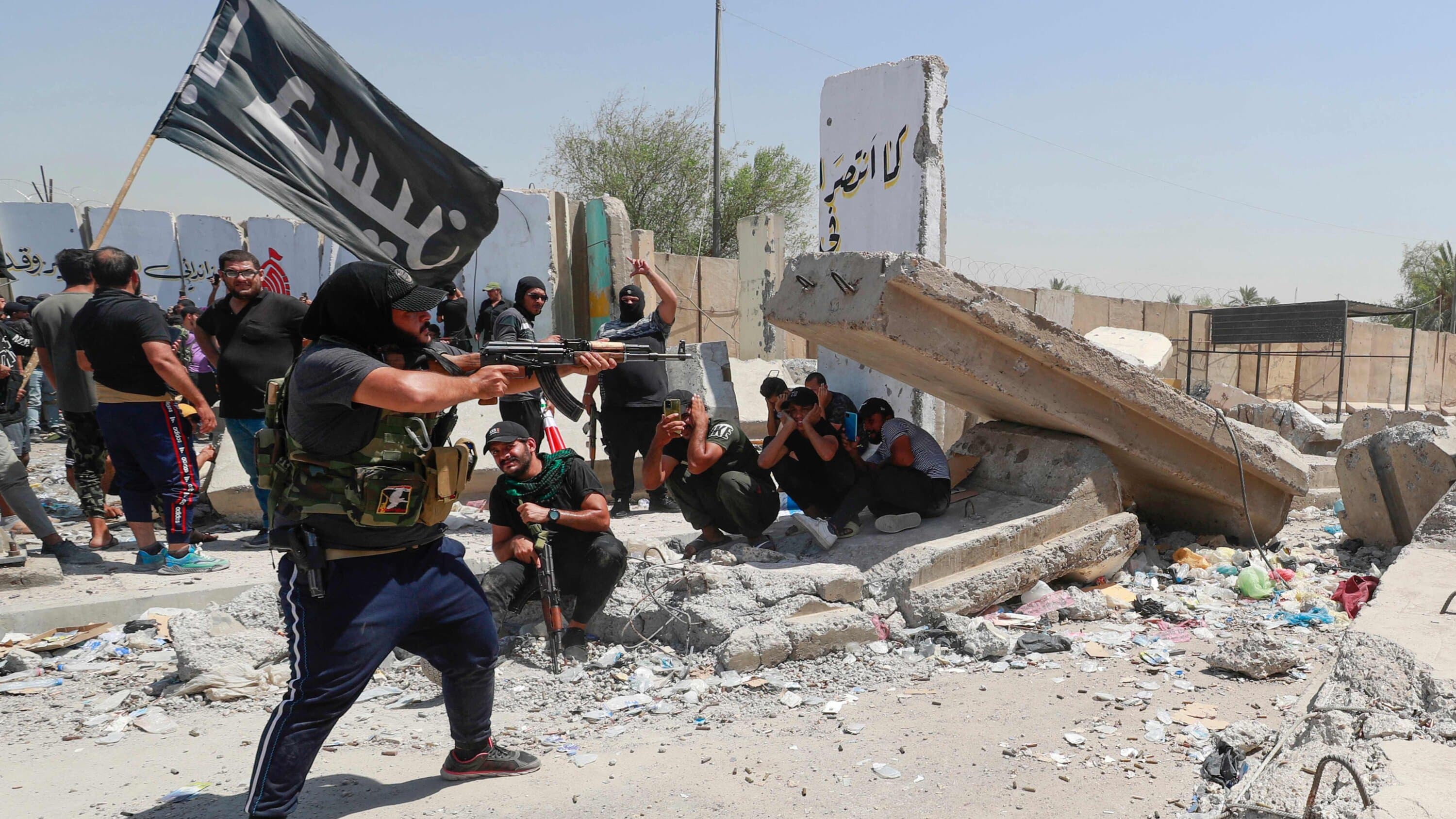
Trump highlighted specific military actions he has taken, including a successful strike on Iran’s nuclear program, which he noted with pride by keeping a model of the B-2 bombers used in the operation on his desk. He also referenced a recent military intervention in Venezuela, where U.S. Special Operations forces were deployed to remove President Nicolás Maduro from power, an action he described as a swift decapitation of the government.
When discussing Greenland, which is controlled by Denmark, a NATO ally, Trump was asked about his priorities regarding the acquisition of the territory versus maintaining the trans-Atlantic alliance. He did not provide a direct answer but suggested that there might be a choice to be made, indicating that he views NATO as largely ineffective without U.S. leadership at its core.
Trump dismissed the notion that leaders like Chinese President Xi Jinping or Russian President Vladimir Putin could adopt similar aggressive strategies without repercussions for the United States. He maintained that U.S. power is the decisive factor in international relations and that he would not be constrained by the same considerations that might limit other nations.
In the context of his actions in Venezuela, Trump appeared unconcerned about the potential implications for U.S. relations with China and Russia. Critics have argued that the precedent set by the U.S. intervention could embolden China to pursue its interests in Taiwan or encourage Russia to act on its claims regarding Ukraine, a region it has historically regarded as part of its sphere of influence.
When a reporter noted Xi"s view of Taiwan as a separatist threat, Trump responded, “That’s up to him, what he’s going to be doing. But, you know, I’ve expressed to him that I would be very unhappy if he did that, and I don’t think he’ll do that. I hope he doesn’t.” This statement reflects Trump"s approach to foreign policy, which emphasizes personal diplomacy and direct communication with world leaders.
Background
Trump"s remarks come at a time when the global political landscape is increasingly complex, with rising tensions between major powers. The U.S. has been navigating its relationships with both China and Russia, particularly in light of recent military actions and geopolitical maneuvers. The implications of Trump"s worldview could have lasting effects on international relations and the future of global governance.
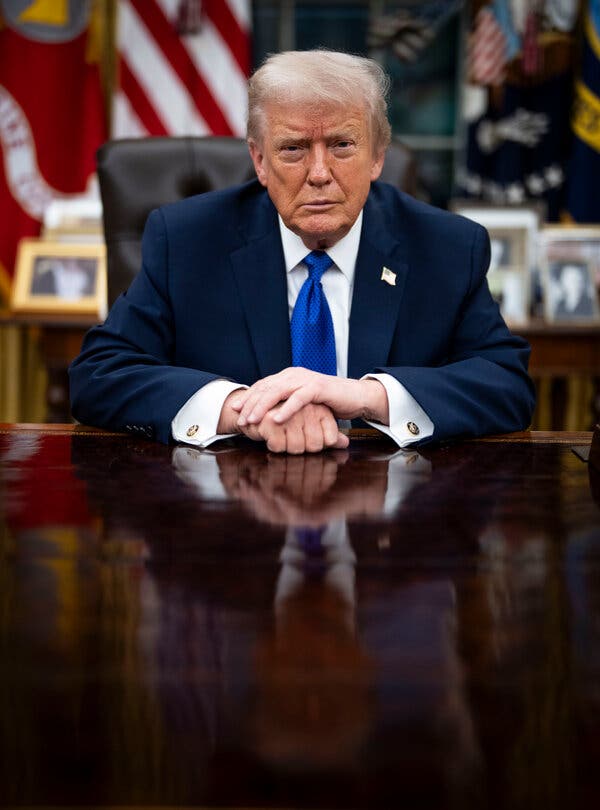
Image for Trump Claims Authority Limits Defined by His Own Morality, Not Laws
What"s Next
As Trump continues to assert his vision of American power, the potential for increased unilateral actions by the U.S. may reshape international norms and alliances. His comments suggest a willingness to prioritize national interests over collaborative efforts, which could lead to significant shifts in how the U.S. engages with allies and adversaries alike. Observers will be closely monitoring the reactions from global leaders and the impact on ongoing geopolitical conflicts.
For further context on Trump’s stance regarding international law, see this related coverage.
![[Video] Gunfire between Iraqi security forces and Sadr militias in Baghdad](/_next/image?url=%2Fapi%2Fimage%2Fthumbnails%2Fthumbnail-1768343508874-4redb-thumbnail.jpg&w=3840&q=75)