UN General Assembly Declares Israel"s Occupation of Golan Heights Illegal, Demands Withdrawal
On December 3, 2025, the United Nations General Assembly (UNGA) passed a significant resolution declaring Israel"s occupation and de facto annexation of the Golan Heights, a region that has been under Israeli control since 1981, as illegal. The resolution, which emphasizes that Israel"s actions violate international law, was adopted with a vote tally of 123 in favor, 7 against, and 41 abstentions. Among those opposing the resolution were Israel, the United States, and five other nations.
Key Details
The resolution specifically calls for Israel"s immediate withdrawal from the Golan Heights to the pre-1967 borders, a reference to the lines established before the Six-Day War in which Israel captured the territory from Syria. The UNGA"s decision underscores a long-standing international consensus that views Israel"s annexation of the Golan Heights as a breach of international law, particularly the principles outlined in the United Nations Charter.
In the voting process, the nations that voted against the resolution included Israel and the United States, alongside five other countries whose identities were not disclosed in the original report. The 41 nations that abstained from the vote also reflect a divided international community regarding the issue.
This resolution is not an isolated event; it is part of a broader pattern of UNGA resolutions that have consistently criticized Israel"s occupation of territories acquired during the 1967 conflict. The Golan Heights, a strategically important plateau, has been a focal point of tension between Israel and Syria for decades, with Syria maintaining its claim over the territory.
Background
The Golan Heights has been a contentious area since it was captured by Israel during the Six-Day War in June 1967. Following the war, Israel effectively administered the region and later annexed it in 1981, a move that has not been recognized by the international community. The UN Security Council has passed resolutions calling for Israel"s withdrawal from the Golan Heights, emphasizing the need for a peaceful resolution to the Israeli-Syrian conflict.
Over the years, various peace talks have attempted to address the status of the Golan Heights, but progress has been limited. The UNGA"s latest resolution calls for the resumption of peace negotiations on both the Syrian and Lebanese tracks, indicating a desire for a comprehensive approach to resolving regional conflicts.
What"s Next
The passage of this resolution may have significant implications for future diplomatic efforts in the region. By reaffirming the illegality of Israel"s occupation, the UNGA aims to pressure Israel into reconsidering its stance on the Golan Heights. The call for immediate withdrawal to the pre-1967 lines could reignite discussions surrounding the peace process, although the likelihood of immediate action remains uncertain given the historical complexities of Israeli-Syrian relations.
As the international community continues to grapple with the implications of this resolution, observers will be closely monitoring responses from both Israel and Syria, as well as the positions of other nations that abstained or voted against the resolution. The ongoing situation in the Golan Heights remains a critical aspect of Middle Eastern geopolitics, with potential ramifications for regional stability and international relations.
For further context on similar situations, see our related coverage on recent developments in international conflicts.

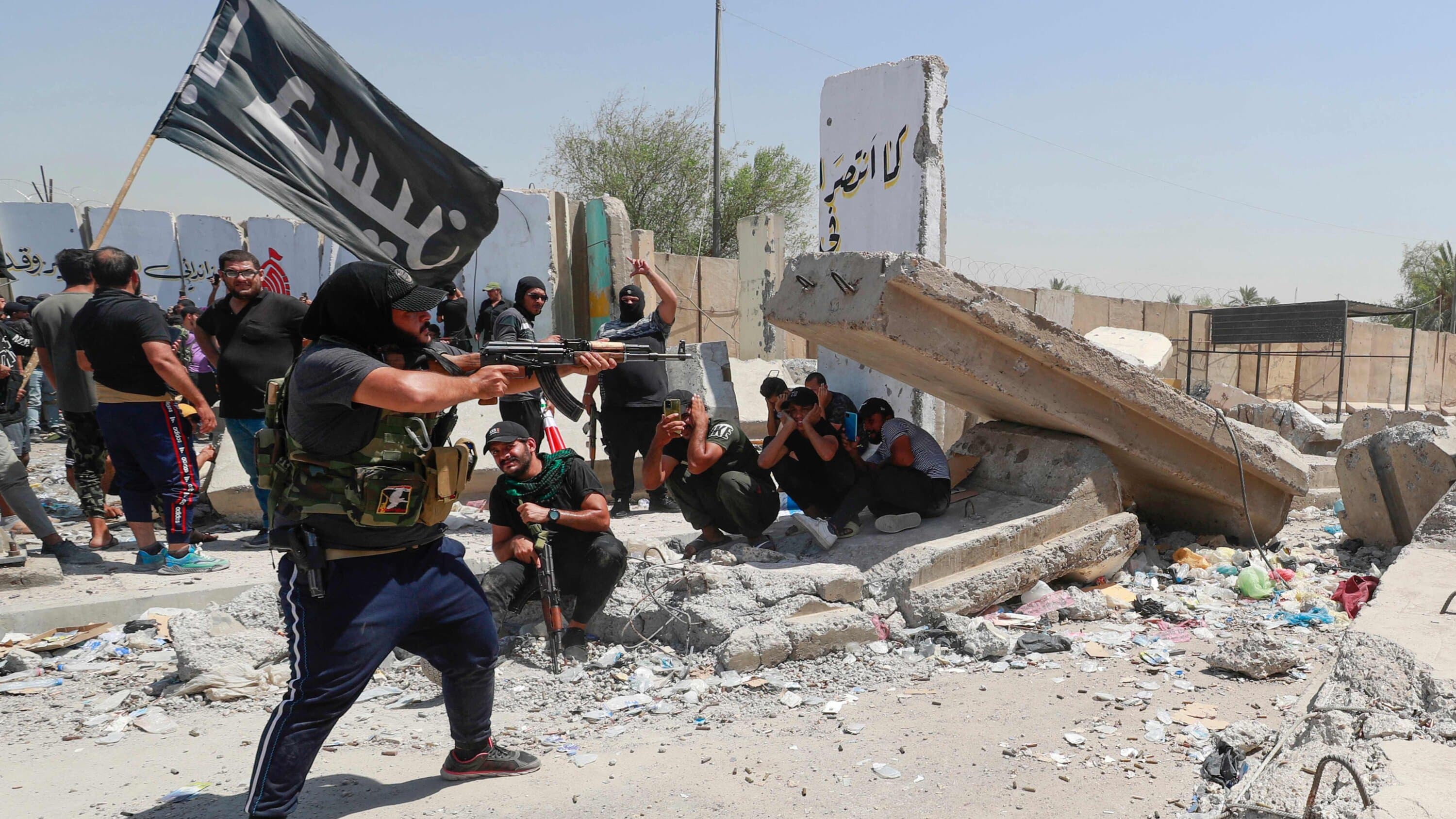
![[Video] Heavy clashes and gunfire reported in Baghdad, Iraq](/_next/image?url=%2Fapi%2Fimage%2Fthumbnails%2Fthumbnail-1768342239932-848qsh-thumbnail.jpg&w=3840&q=75)


![[Video] Gunfire between Iraqi security forces and Sadr militias in Baghdad](/_next/image?url=%2Fapi%2Fimage%2Fthumbnails%2Fthumbnail-1768343508874-4redb-thumbnail.jpg&w=3840&q=75)