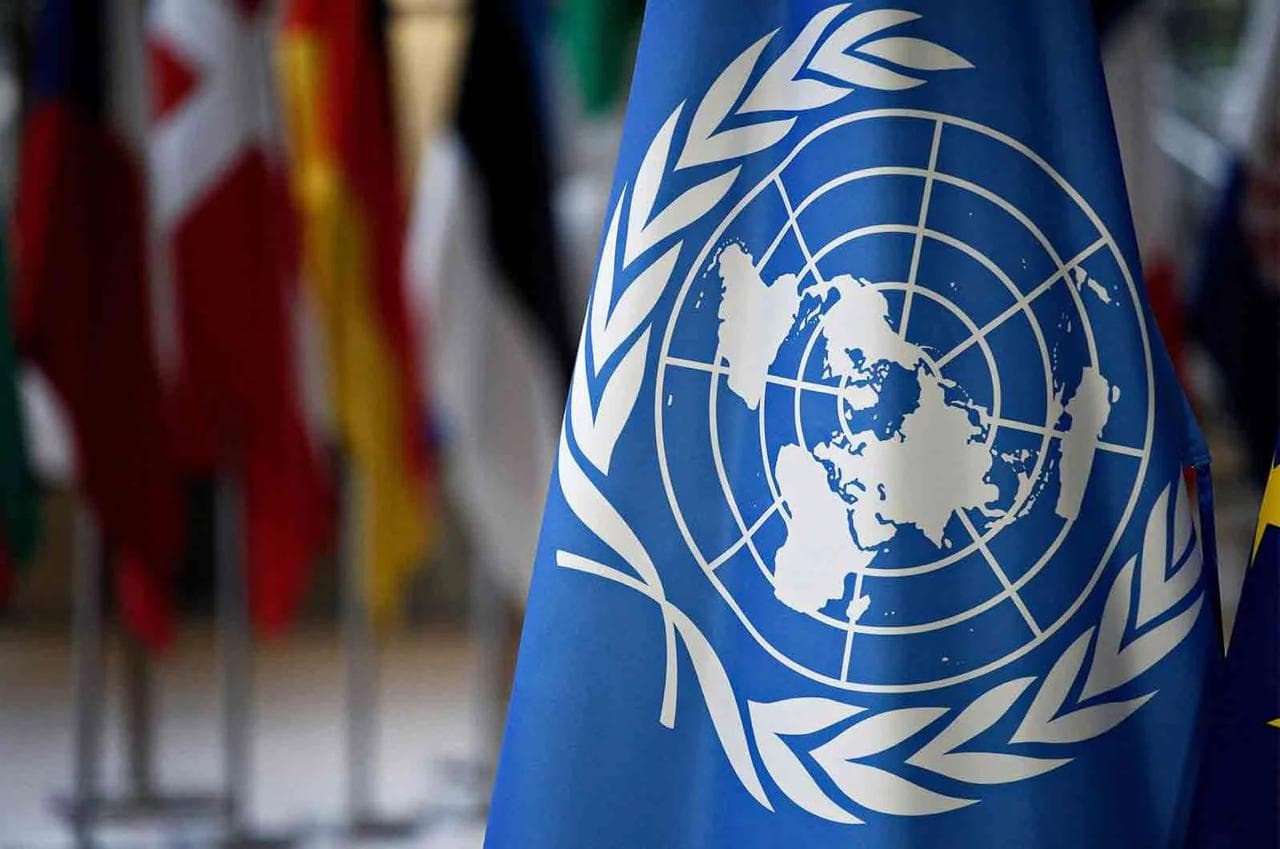
UN Humanitarian Funding Falls to Lowest Level in a Decade at $12 Billion
As of November 2025, the United Nations (UN) humanitarian funding has plummeted to its lowest level in ten years, with the organization receiving only $12 billion. This amount covers just over a quarter of the total humanitarian needs identified for the year, according to a report by Reuters. The UN has projected a significantly higher funding requirement of $23 billion for the upcoming year, which is notably half of what it had requested for 2025.
Key Details
The $12 billion received by the UN marks a stark decline in humanitarian funding, reflecting a growing gap between the needs of vulnerable populations and the financial resources available to assist them. The UN"s request for $23 billion for the next year underscores the increasing scale of humanitarian crises worldwide, which have been exacerbated by conflicts, climate change, and economic instability.
In addition to the UN"s funding challenges, the International Organization for Migration (IOM) has also announced a reduction in its funding requests. The IOM is seeking half of the amount it had originally planned for 2025, indicating a broader trend of decreasing financial support for humanitarian efforts across various organizations.
Reuters highlights that UN humanitarian agencies are heavily reliant on voluntary contributions from Western donors. Historically, the United States has been the largest contributor to UN humanitarian initiatives, playing a crucial role in funding efforts aimed at alleviating suffering in crisis-affected regions. The decline in funding may pose significant challenges for the UN and its partners as they strive to meet the needs of millions of people affected by humanitarian crises.
Background
The UN"s humanitarian funding crisis is occurring against a backdrop of escalating global needs. The organization has been increasingly called upon to respond to a range of emergencies, from natural disasters to armed conflicts. The reliance on voluntary contributions means that fluctuations in donor support can have immediate and profound impacts on the ability of humanitarian agencies to operate effectively.
The situation is further complicated by geopolitical factors and shifting priorities among donor nations. As seen in various recent developments, including the U.S. State Department"s travel warnings regarding the Thailand-Cambodia border, global attention and resources can be diverted away from humanitarian needs, impacting funding availability.
What"s Next
Looking ahead, the UN"s request for $23 billion for the next year will require a concerted effort from member states and international donors to ensure that humanitarian needs are met. The significant reduction in funding requests from organizations like the IOM may indicate a need for strategic reassessment of how humanitarian aid is delivered and funded in the future.
The implications of this funding decline are profound, as millions of individuals and families depend on humanitarian assistance for survival. Without adequate funding, the UN and its partner organizations may struggle to provide essential services, including food, shelter, and medical care, to those in dire need.
As the global community grapples with these challenges, the importance of sustained and increased funding for humanitarian efforts cannot be overstated. The UN"s ability to respond effectively to crises will depend on the willingness of donor nations to step up and provide the necessary financial support.

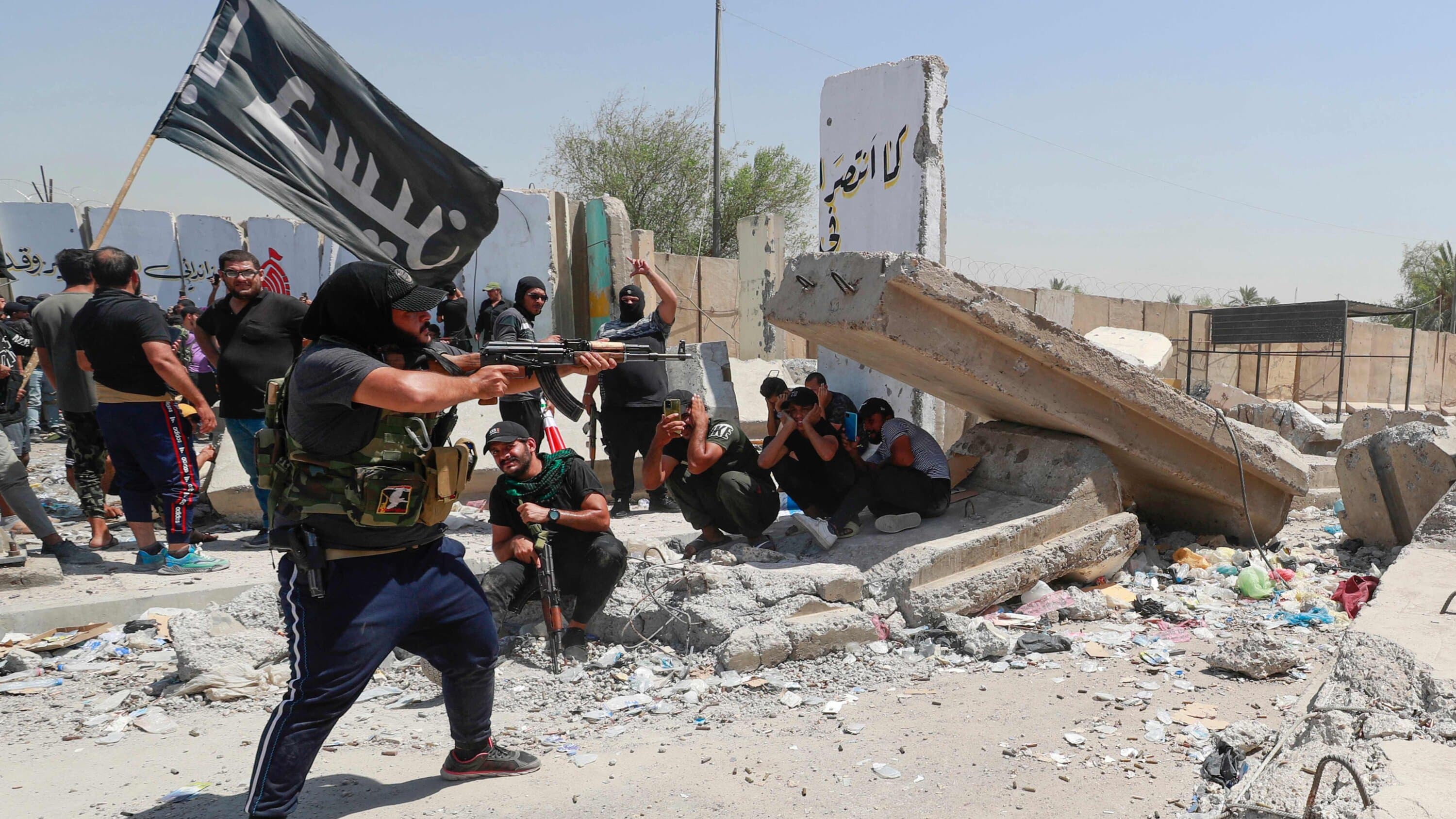
![[Video] Heavy clashes and gunfire reported in Baghdad, Iraq](/_next/image?url=%2Fapi%2Fimage%2Fthumbnails%2Fthumbnail-1768342239932-848qsh-thumbnail.jpg&w=3840&q=75)
![[Video] Gunfire between Iraqi security forces and Sadr militias in Baghdad](/_next/image?url=%2Fapi%2Fimage%2Fthumbnails%2Fthumbnail-1768343508874-4redb-thumbnail.jpg&w=3840&q=75)