In a significant move amid ongoing geopolitical tensions, Ursula von der Leyen, the President of the European Commission, has announced plans to utilize seized Russian assets as a financial backstop to provide €210 billion in aid to Ukraine. This initiative comes despite resistance from Belgium, which has expressed concerns regarding the legality and implications of the proposal.
Key Details
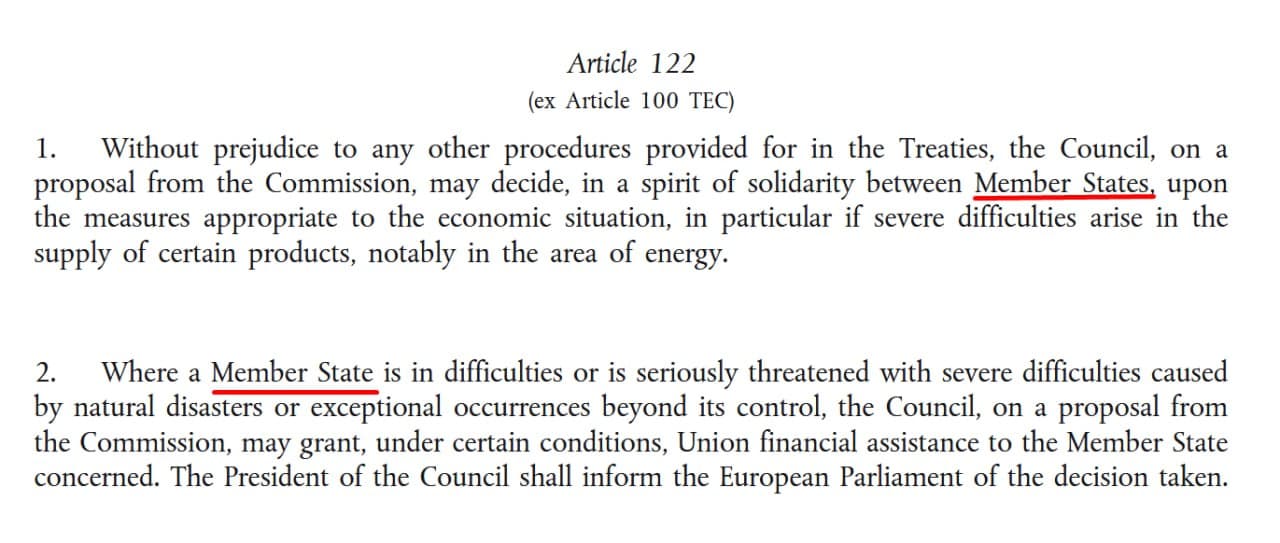
Ursula von der Leyen"s plan is rooted in a reinterpretation of Article 122 of the Treaty on the Functioning of the European Union (TFEU). This article allows the European Council, upon the proposal of the European Commission, to grant financial assistance to a member state facing exceptional circumstances that threaten its stability and are beyond its control. The emphasis on "member state" raises questions, as Ukraine is not a member of the European Union.
Critics, particularly from Belgium, have voiced strong opposition to this plan, arguing that it represents an attempt to circumvent their veto power within the EU framework. They contend that the proposal is not only legally questionable but also contradictory to the founding treaties of the European Union, which were designed to govern the financial and political interactions among member states.
This proposed financial aid of €210 billion is intended to support Ukraine amid its ongoing conflict with Russia, which has resulted in significant economic and humanitarian challenges for the country. The European Commission"s move indicates a shift in how the EU may approach financial assistance to non-member states in times of crisis.
Background
The European Union has been actively involved in supporting Ukraine since the onset of the conflict with Russia in 2014, providing various forms of assistance, including economic aid, humanitarian support, and military training. However, the current proposal marks a notable escalation in the EU"s commitment to Ukraine, reflecting the urgency of the situation and the desire to bolster Ukraine"s resilience against Russian aggression.
Belgium"s opposition highlights the complexities within the EU regarding financial governance and the distribution of aid. The EU operates on a consensus basis, and any significant financial decision typically requires the agreement of all member states. Belgium"s concerns underscore the potential legal ramifications of bypassing established protocols, which could set a precedent for future EU actions.
What"s Next
As the situation unfolds, the European Commission will need to navigate the legal and political challenges posed by Belgium and potentially other member states. The success of von der Leyen"s plan will depend on her ability to garner support from a majority of EU member states while addressing the legal concerns raised by critics. The outcome of this initiative could have far-reaching implications for the EU"s approach to international aid and its role in global geopolitical conflicts.
For further context on related political developments, see our coverage on recent developments in Lebanon and similar situations within EU governance.


![[Video] Gunfire between Iraqi security forces and Sadr militias in Baghdad](/_next/image?url=%2Fapi%2Fimage%2Fthumbnails%2Fthumbnail-1768343508874-4redb-thumbnail.jpg&w=3840&q=75)