US Extends Lukoil Sanctions Waiver to April 2026
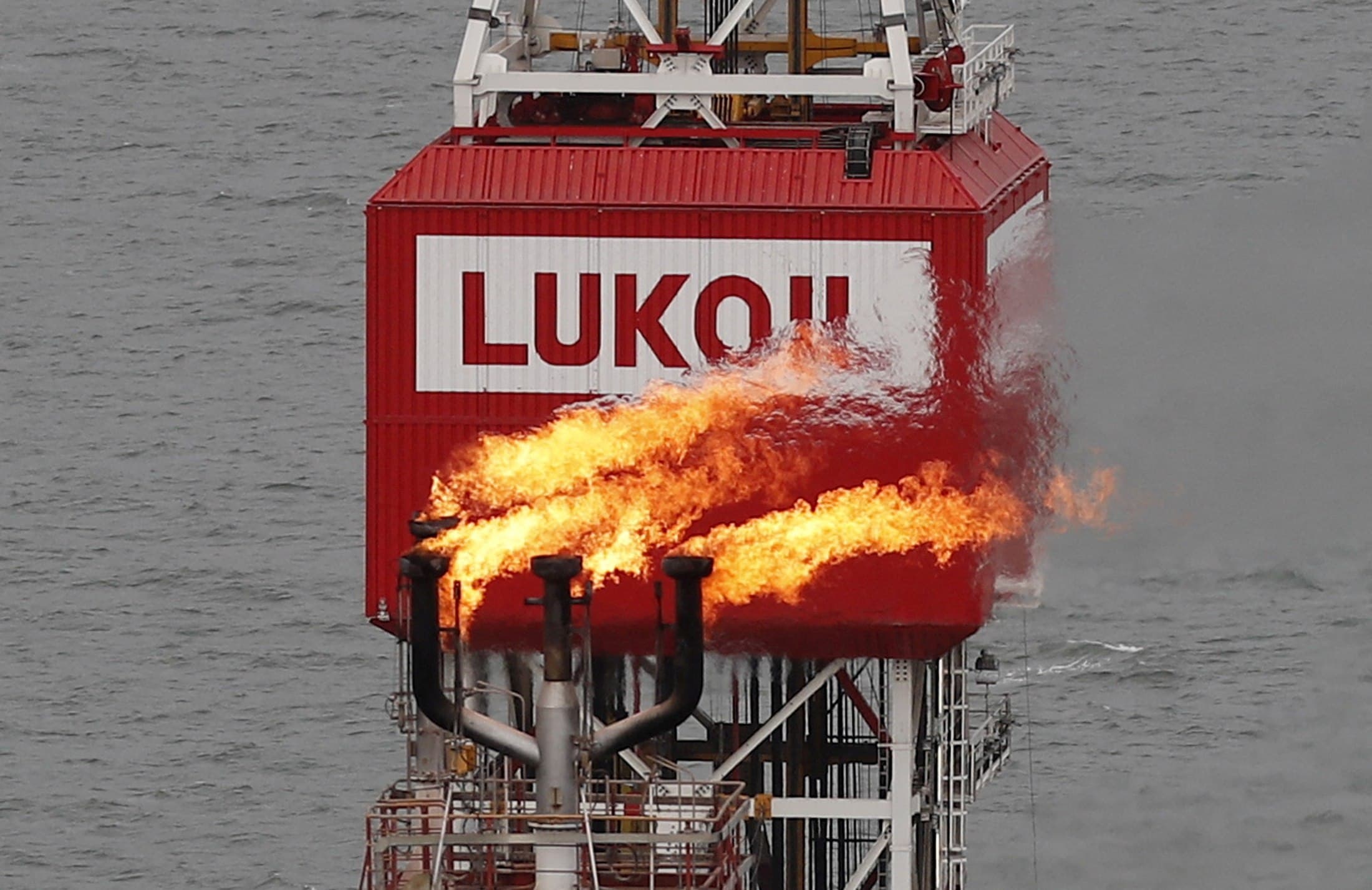
In a significant development regarding international sanctions, the United States government has announced an extension of a waiver allowing transactions with Lukoil-branded gas stations located outside of Russia. This general license, issued by the U.S. Treasury"s Office of Foreign Assets Control (OFAC), will now remain in effect until April 29, 2026. The extension aims to mitigate potential disruptions for consumers and suppliers while simultaneously blocking revenue streams to Russia amidst ongoing geopolitical tensions.
Key Details
The waiver pertains specifically to approximately 2,000 gas stations that operate under the Lukoil brand outside of Russia. Lukoil is one of Russia"s largest oil companies, and the decision to extend the waiver follows sanctions imposed on both Lukoil and Rosneft, another major Russian oil producer. These sanctions were enacted on October 22, 2025, as part of the U.S. government"s efforts to curb funding for Russia"s military operations in Ukraine.
Initially, the sanctions against Lukoil and Rosneft were set to take effect on November 21, 2025. However, the enforcement date was subsequently postponed to December 13, 2025, before the recent extension was announced. The U.S. Treasury"s decision reflects a balancing act between enforcing economic sanctions against Russian entities and preventing adverse effects on global oil markets and consumer prices.
The sanctions are a response to Russia"s ongoing military actions in Ukraine, which have drawn widespread condemnation from the international community. By extending the waiver, the U.S. government aims to ensure that the operations of Lukoil-branded gas stations can continue without interruption, thereby protecting consumers from potential fuel shortages or price spikes.
Background
The sanctions against Lukoil and Rosneft are part of a broader strategy by the United States and its allies to impose economic pressure on Russia following its invasion of Ukraine in February 2022. The conflict has led to significant geopolitical shifts and has prompted various nations to reconsider their energy dependencies and trade relationships with Russia.
As previously reported, the U.S. has taken a series of measures aimed at isolating Russia economically. These include sanctions targeting various sectors, including finance, technology, and energy. The oil and gas sector is particularly critical, as it is a major source of revenue for the Russian government.
What"s Next
The extension of the sanctions waiver until April 2026 raises questions about the future of U.S.-Russia relations and the ongoing conflict in Ukraine. While the waiver allows for continued operations of Lukoil-branded gas stations, it is clear that the U.S. government remains committed to holding Russian entities accountable for their actions in Ukraine.
As the situation evolves, it will be essential to monitor how these sanctions impact global oil markets and whether further adjustments to the waiver or sanctions will be necessary. The U.S. Treasury"s decision reflects an ongoing commitment to balancing economic sanctions with the need to maintain stability in global energy supplies.
For more on related developments, see our coverage on Russia"s ban on Roblox and other international political news.

![[Video] Heavy clashes and gunfire reported in Baghdad, Iraq](/_next/image?url=%2Fapi%2Fimage%2Fthumbnails%2Fthumbnail-1768342239932-848qsh-thumbnail.jpg&w=3840&q=75)
![[Video] Gunfire between Iraqi security forces and Sadr militias in Baghdad](/_next/image?url=%2Fapi%2Fimage%2Fthumbnails%2Fthumbnail-1768343508874-4redb-thumbnail.jpg&w=3840&q=75)