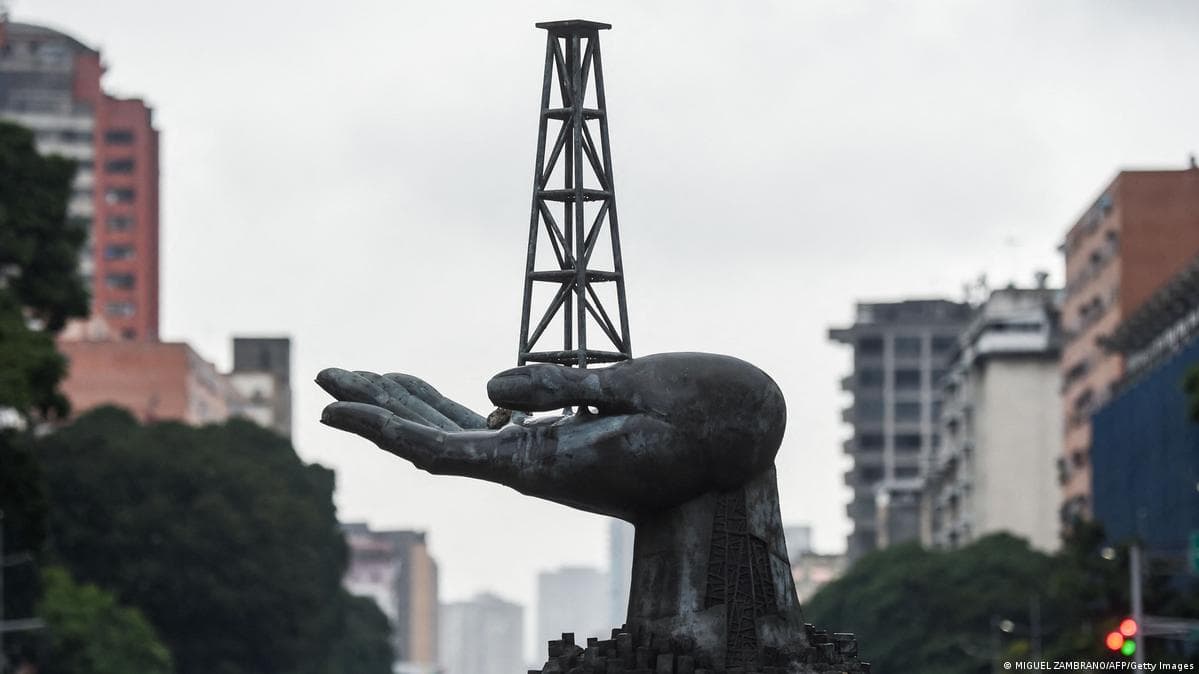
Venezuelan Oil Output Faces Decline Amid Investment Shortages and Workforce Exodus
As of January 4, 2026, Venezuelan oil exports are unlikely to experience a significant rebound, regardless of political leadership. According to a report by Rystad Energy, a prominent energy consultancy, the country would require an estimated $110 billion in capital expenditure solely for exploration and production to restore oil output to levels seen 15 years ago. This financial hurdle, combined with a substantial loss of skilled labor and a saturated global oil market, suggests that Venezuela"s crude oil production is more likely to decline than recover in the immediate future.
Key Details
Rystad Energy"s analysis indicates that the Venezuelan oil sector is in dire need of substantial investment. The $110 billion figure highlights the extensive financial commitment necessary to revitalize the country"s oil production capabilities, which have significantly dwindled over the past decade and a half. This investment would be crucial for modernizing infrastructure and improving extraction technologies that have fallen behind due to years of underfunding and mismanagement.
Furthermore, the Venezuelan oil industry has suffered from a massive exodus of skilled professionals. Tens of thousands of engineers, geologists, and other essential workers have left the country, severely impacting the operational capacity of the state-owned oil company, Petróleos de Venezuela, S.A. (PDVSA). The current management of PDVSA has shifted largely into the hands of the armed forces, complicating any potential collaborations with Western oil companies. The military’s involvement raises concerns about the feasibility of establishing joint ventures, which are often critical for bringing in foreign expertise and investment.
Additionally, the global oil market is presently saturated, with many existing Venezuelan oil fields operating below their breakeven price. This situation means that even if Venezuela were to increase production, the revenues generated might not cover the costs of extraction, further complicating the economic viability of the oil sector.
Background
Venezuela, once one of the world"s leading oil producers, has seen its output plummet due to a combination of political instability, economic mismanagement, and international sanctions. The country’s oil production peaked in the early 2000s but has been in decline since, with various estimates suggesting that output has fallen from over 3 million barrels per day to less than 1 million barrels per day in recent years. The decline has had profound implications for the Venezuelan economy, which relies heavily on oil revenues for its fiscal health.
The challenges facing the Venezuelan oil sector are not unique. Similar situations have been observed in other oil-rich nations that have faced political turmoil or economic sanctions, leading to decreased production capabilities and challenges in attracting foreign investment. Recent developments in other regions, such as the movement of Patriotic Shield forces to Aden to impose state authority, highlight the complex interplay between governance and resource management in politically unstable areas.
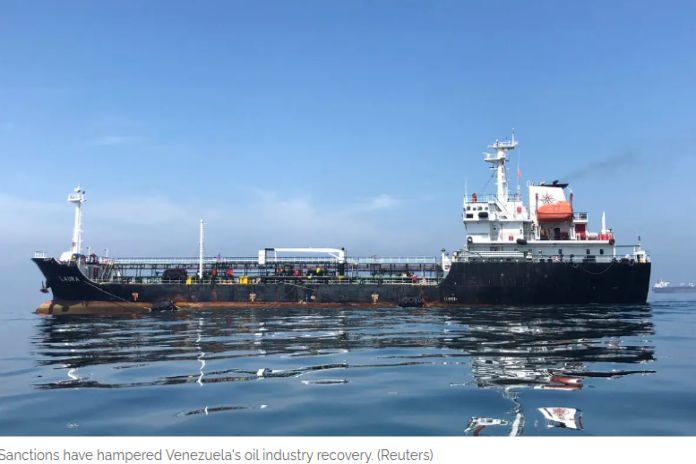
Image for Venezuelan oil output likely to fall due to lack of investment and skilled workers
What"s Next
The immediate outlook for Venezuelan oil exports remains bleak. Without significant investment and a return of skilled labor, the country is unlikely to see any substantial increase in production. The combination of financial constraints, workforce shortages, and market saturation presents formidable barriers to revitalizing the oil sector. As previously reported, the implications of these challenges extend beyond the oil industry, affecting the overall economy and the livelihoods of millions of Venezuelans dependent on oil revenues.
In conclusion, while the potential for a recovery in Venezuelan oil exports exists, the reality is that substantial hurdles must be overcome. The current trajectory suggests that, in the near term, Venezuela"s crude output is more likely to fall than rebound, underscoring the need for a comprehensive strategy to address these multifaceted challenges.

![[Video] Gunfire between Iraqi security forces and Sadr militias in Baghdad](/_next/image?url=%2Fapi%2Fimage%2Fthumbnails%2Fthumbnail-1768343508874-4redb-thumbnail.jpg&w=3840&q=75)