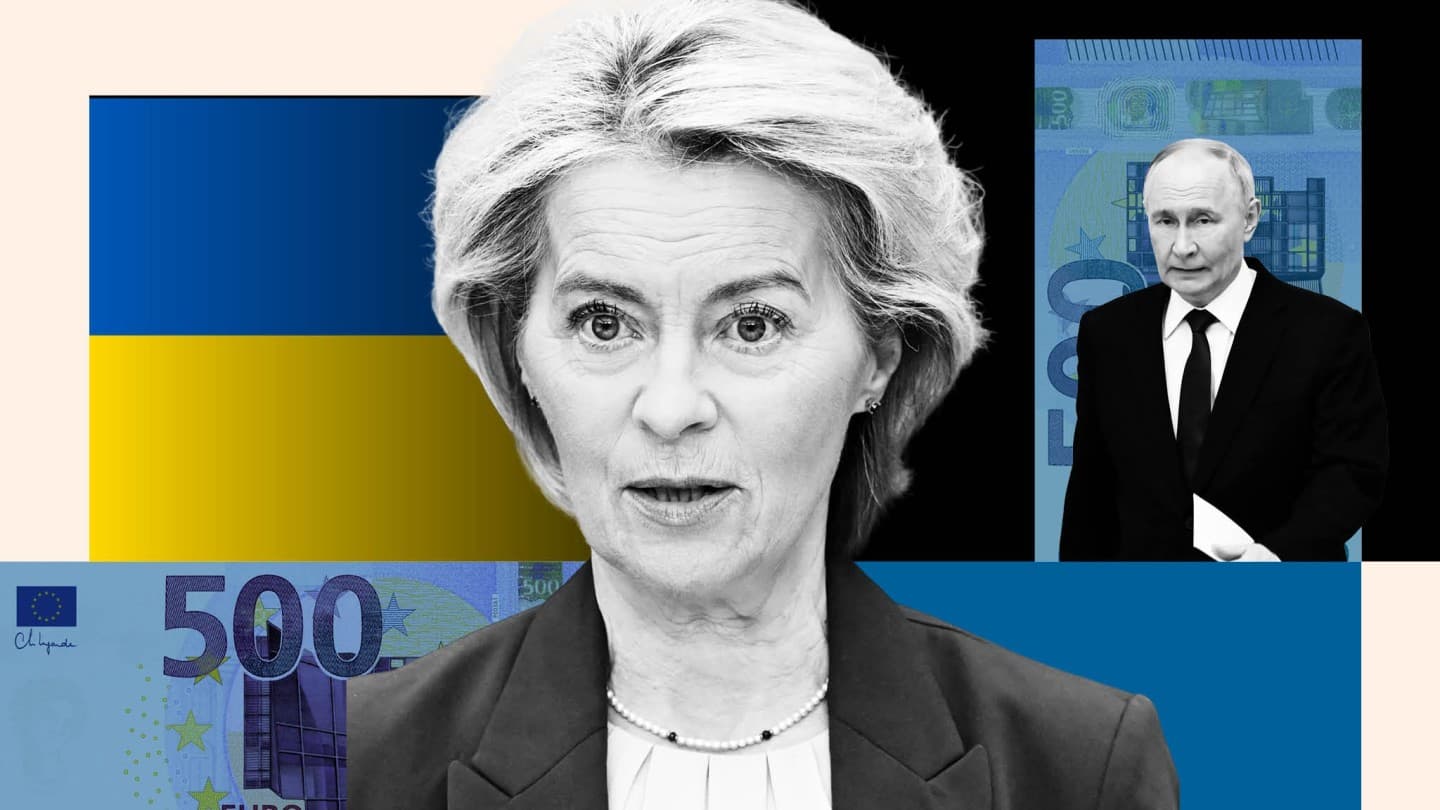
Von der Leyen Proposes Using Article 122 to Prevent Transfer of Russian Assets
On December 5, 2025, Ursula von der Leyen, President of the European Commission, delivered a significant address outlining a controversial proposal aimed at addressing the European Union"s (EU) reparations loan scheme related to Russian assets. In her speech, she suggested invoking emergency powers under Article 122 of the EU treaties to prevent any EU member state from transferring Russian assets back to Russia.
Key Details
Article 122 of the EU treaties grants the European Commission the authority to implement temporary emergency measures without the need for approval from the European Parliament in cases of "severe difficulties" of an economic nature, such as natural disasters. This provision has been utilized previously during the COVID-19 pandemic to fund unemployment programs and vaccine purchases across member states.
Von der Leyen"s rationale for invoking Article 122 centers on the potential economic threat posed by the repayment of a reparations loan, estimated at approximately $212 billion. If a member state were to veto the extension of the sanctions regime on Russian assets, the European Commission argues that this liability could pose an existential threat to the European economy. The circular reasoning presented suggests that the EU would be safeguarding itself from a risk that is contingent upon its own actions to invoke emergency powers.
This proposed use of Article 122 has sparked significant controversy, as it raises concerns about the erosion of democratic principles within the EU framework. The European Commission is currently involved in a lawsuit with the European Parliament regarding a previous invocation of emergency powers related to a loan scheme for EU defense procurement, indicating ongoing tensions over the use of such powers.
Reactions to von der Leyen"s proposal have been largely negative. Notably, Belgium has expressed immediate rejection of the plan, which appears to circumvent the Belgian veto by potentially leveraging votes from pro-war countries such as France, Germany, Poland, and the Baltic and Nordic states. Critics argue that this approach would effectively impose long-term financial liabilities on Belgium, equating to one-third of its GDP, to finance a war effort that benefits the defense industries of other EU nations, particularly those in France, Germany, Sweden, and Poland.
Background
The context of this proposal is rooted in the ongoing conflict in Ukraine and the EU"s response to Russian aggression. The reparations loan scheme is part of a broader strategy to support Ukraine while managing the economic repercussions for EU member states. The invocation of emergency powers under Article 122 reflects a growing urgency within the European Commission to navigate these complex geopolitical and economic challenges.
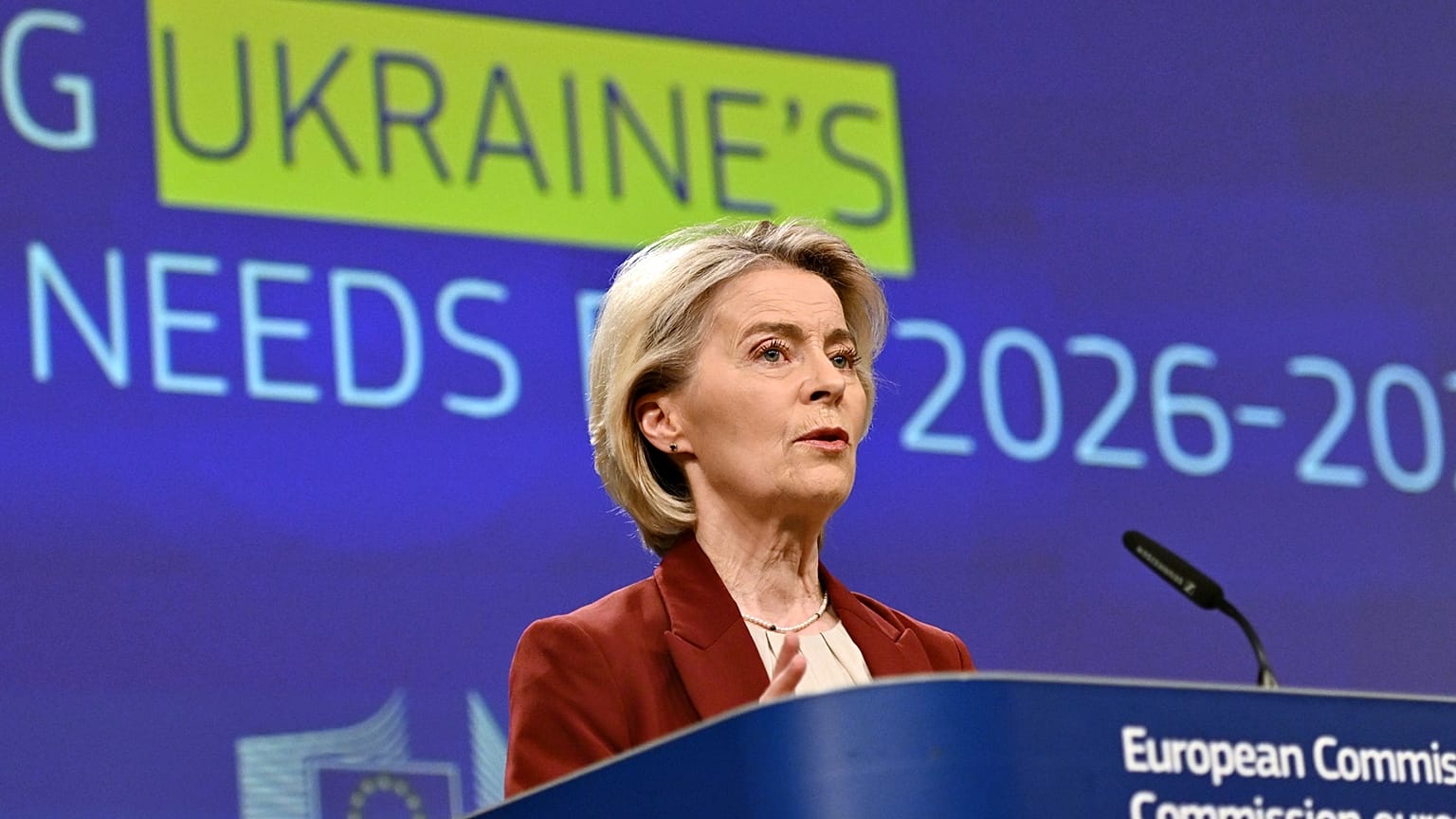
Image for Von der Leyen proposes using Article 122 to prevent transfer of Russian assets
What"s Next
A final decision regarding von der Leyen"s proposal is anticipated on December 18, 2025. The EU faces a critical choice: either move forward with the plan to seize Russian assets, which could expose Belgium to substantial financial liabilities, or opt to issue additional loans from the EU budget. The latter option would necessitate increased taxation across member states, potentially leading to government instability and political unrest in several countries.
This situation highlights the delicate balance the EU must maintain between solidarity among member states and the pressing need to address the ramifications of the ongoing conflict in Ukraine. As previously reported, the implications of these decisions will resonate throughout the EU, affecting economic stability and inter-member relations for years to come.
For further context on related developments, see our coverage on Israel"s cabinet finalizes 2026 defense budget and the EU Commission"s potential fines for censorship refusals.
![[Video] Gunfire between Iraqi security forces and Sadr militias in Baghdad](/_next/image?url=%2Fapi%2Fimage%2Fthumbnails%2Fthumbnail-1768343508874-4redb-thumbnail.jpg&w=3840&q=75)