Yashar Ali Discusses Iran Protests as Legitimate Uprising Amid Economic Issues
Author: Dr. Keisha Johnson
Date: January 12, 2026
In a recent discussion on social media platform X, journalist Yashar Ali provided an extensive commentary regarding the ongoing protests in Iran. Ali, whose family resides in Iran, characterized the protests as a legitimate popular uprising driven by severe economic conditions affecting the nation. His remarks come amidst a backdrop of significant unrest and dissatisfaction among the Iranian populace.
Key Details
Yashar Ali"s insights highlight the complex interplay of factors contributing to the protests in Iran. He asserts that the economic hardships faced by citizens are a primary catalyst for the demonstrations. These hardships have been exacerbated by a combination of industrial sabotage, economic sanctions imposed by foreign powers, and a continuous state of conflict with Israel.
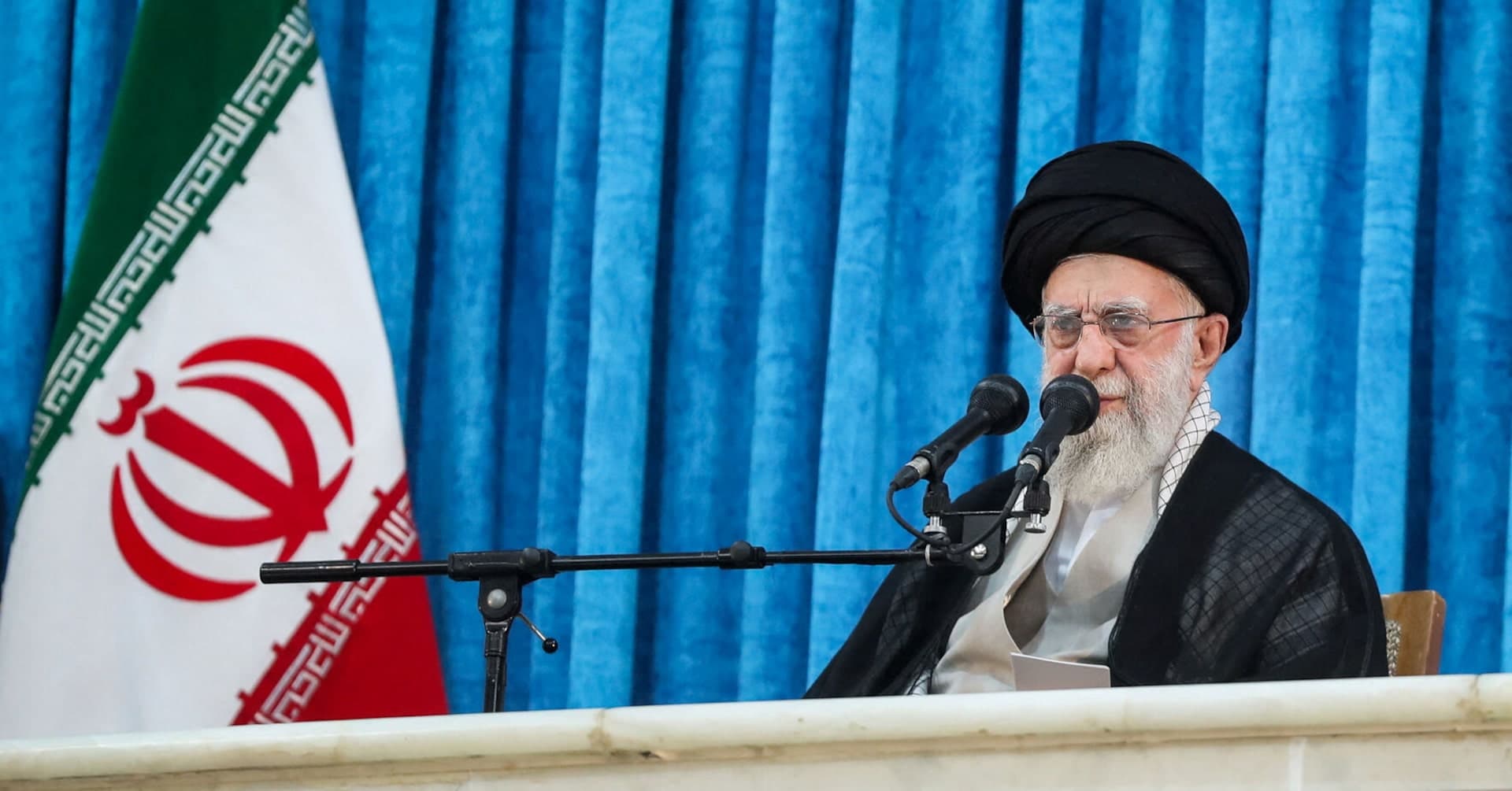
Ali"s commentary also touches on the Iranian government"s response to these protests. He argues that the government is compelled to maintain a stringent grip on power due to the pervasive influence of foreign intelligence agencies, specifically those from the United States and Israel. This claim is underscored by a statement from former U.S. Secretary of State Mike Pompeo, who suggested that protesters in Iran are allegedly marching alongside agents from Mossad, the Israeli intelligence agency, to challenge the authority of the Ayatollah.
These assertions reflect a broader narrative regarding the geopolitical dynamics at play in the region. The Iranian government has faced numerous challenges, including the impact of international sanctions that have significantly affected its economy. The sanctions, primarily driven by concerns over Iran"s nuclear program and its regional military activities, have led to widespread inflation and unemployment, further fueling public discontent.
Background
The protests in Iran have been ongoing for several months, with citizens expressing their frustrations over economic mismanagement, corruption, and political repression. The situation has been complicated by external factors, including military actions and intelligence operations attributed to foreign nations. Iran"s relationship with Israel remains particularly tense, marked by a series of confrontations and accusations of espionage and sabotage.
In recent years, the Iranian government has faced accusations of human rights violations in its efforts to quell dissent. Reports indicate that security forces have responded to protests with force, leading to numerous casualties and arrests. The international community has been closely monitoring these developments, with various human rights organizations calling for accountability and reform within the Iranian political system.
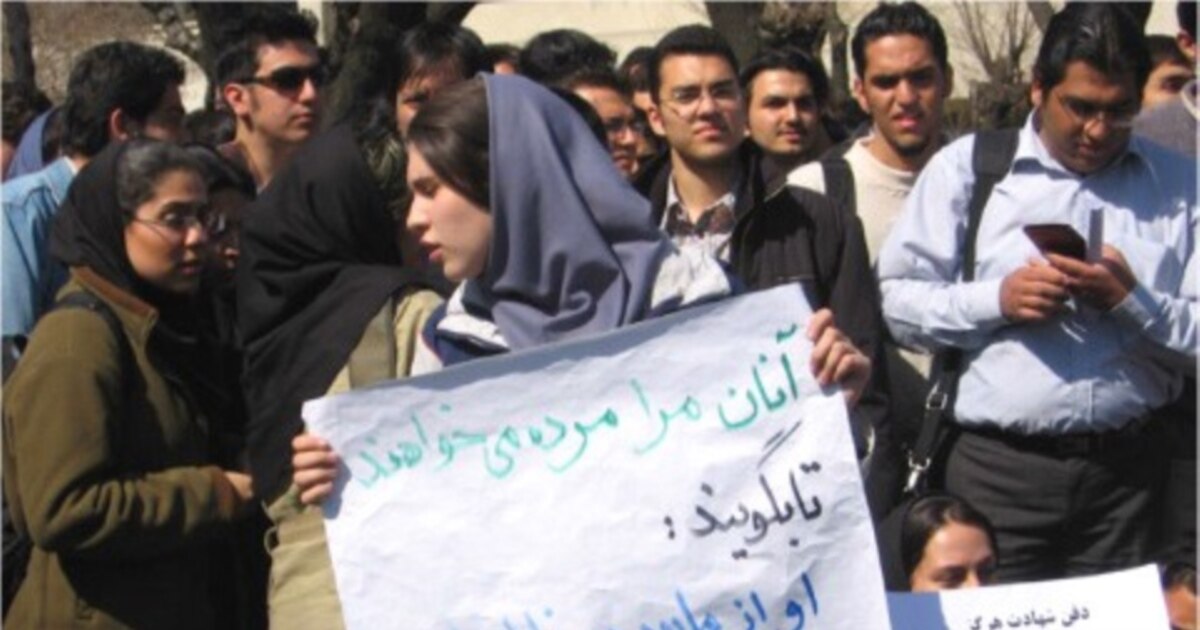
Image for Yashar Ali discusses Iran protests as legitimate uprising amid economic issues
What"s Next
The future of the protests in Iran remains uncertain. As economic conditions continue to deteriorate, it is likely that public unrest will persist. The Iranian government’s approach to managing dissent, coupled with the ongoing geopolitical tensions, will play a crucial role in shaping the trajectory of these protests. Observers are particularly interested in how the Iranian leadership will respond to both internal pressures and external criticisms, especially in light of the allegations regarding foreign intelligence involvement.
For further context on the current situation in Iran, readers may refer to our recent developments regarding the ongoing state of war and its implications for domestic stability.

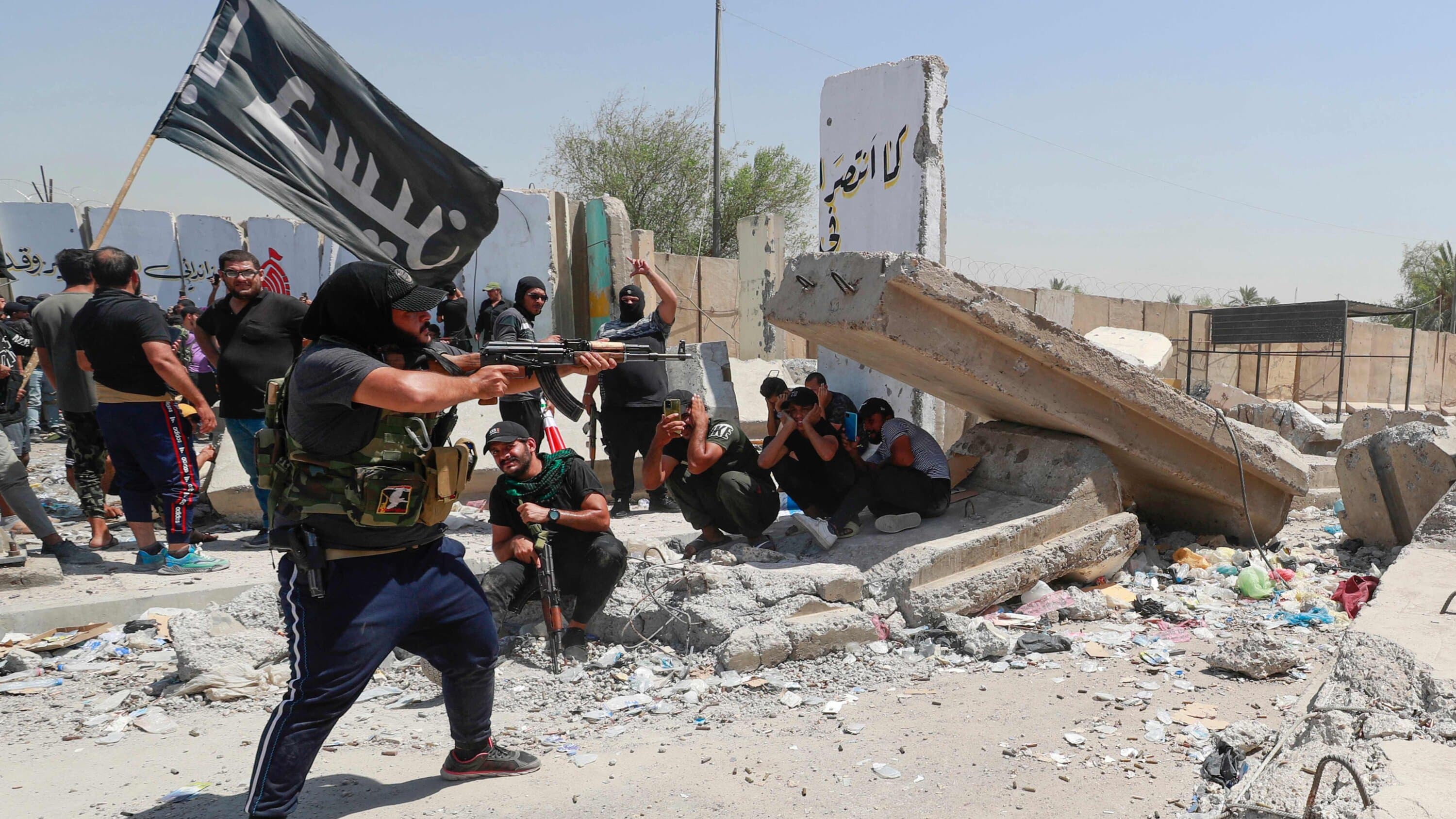
![[Video] Heavy clashes and gunfire reported in Baghdad, Iraq](/_next/image?url=%2Fapi%2Fimage%2Fthumbnails%2Fthumbnail-1768342239932-848qsh-thumbnail.jpg&w=3840&q=75)
![[Video] Gunfire between Iraqi security forces and Sadr militias in Baghdad](/_next/image?url=%2Fapi%2Fimage%2Fthumbnails%2Fthumbnail-1768343508874-4redb-thumbnail.jpg&w=3840&q=75)