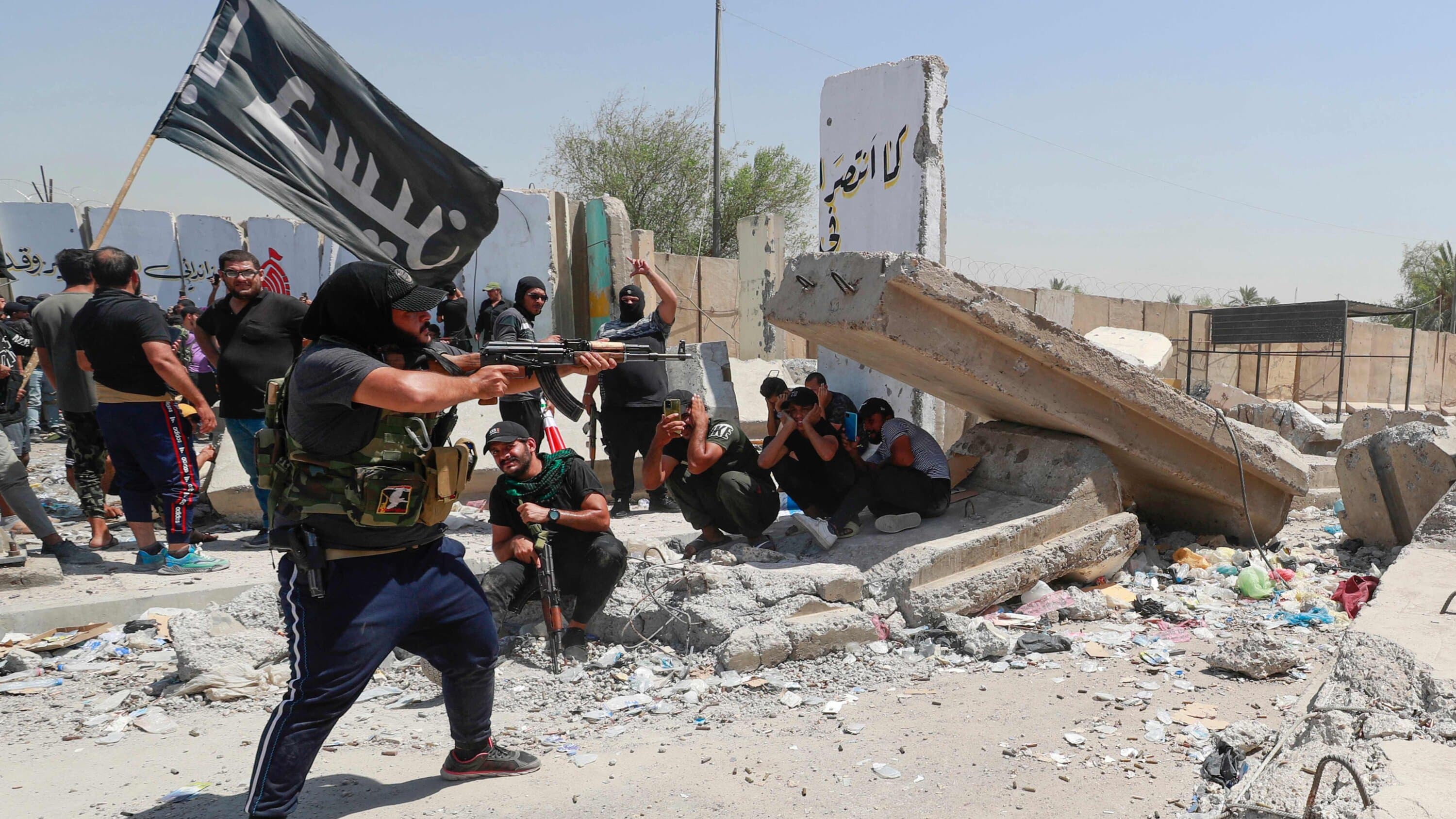
UN General Assembly Adopts Resolution on Peaceful Settlement of Palestine
On December 3, 2025, the United Nations General Assembly (UNGA) passed a significant resolution aimed at addressing the longstanding conflict regarding Palestine. The resolution, designated as A/80/L.16 and titled “Peaceful settlement of the question of Palestine,” received overwhelming support, with a recorded vote tally of 151 votes in favor, 11 against, and 11 abstentions. This vote underscores the international community"s ongoing commitment to finding a resolution to the Palestinian issue.
Key Details
The resolution reaffirms the UN"s enduring responsibility to resolve the Palestinian question in accordance with relevant UN resolutions and international law. It specifically demands an immediate end to Israel"s occupation of Palestinian territories, which has been in place since 1967. This occupation has been a focal point of international debate and condemnation for decades.
In addition to calling for an end to the occupation, the resolution condemns ongoing Israeli settlement activities in the occupied territories as illegal under international law. The UNGA has consistently criticized these settlements, viewing them as an impediment to peace and a violation of the rights of the Palestinian people. Furthermore, the resolution calls for the evacuation of all Israeli settlers from these occupied areas, a move that aims to facilitate a peaceful resolution to the conflict.
The voting breakdown highlights the divisions within the international community regarding the issue. The 151 countries that supported the resolution reflect a broad consensus on the need for a peaceful settlement, while the 11 opposing votes indicate significant dissent, primarily from countries that support Israel"s policies in the region. The 11 abstentions suggest a reluctance among some nations to take a definitive stance on the matter, reflecting the complexity and sensitivity surrounding the Israeli-Palestinian conflict.
Background
The Israeli-Palestinian conflict has persisted for over seven decades, rooted in historical, political, and territorial disputes. The UN has been involved in mediating this conflict since its inception, with numerous resolutions passed over the years aimed at promoting peace and security in the region. The 1967 occupation of Palestinian territories, including the West Bank and Gaza Strip, has been a central issue, leading to widespread international calls for an end to the occupation and the establishment of a Palestinian state.
Previous UN resolutions have also condemned Israeli settlement activities, which are viewed as illegal under international law. The establishment of settlements has been a contentious issue, often leading to increased tensions and violence in the region. The UN"s position is that these settlements undermine the possibility of a two-state solution, which is widely regarded as the most viable path to peace.
What"s Next
The passage of Resolution A/80/L.16 signals a renewed push by the international community to address the Palestinian question. It remains to be seen how Israel and the Palestinian authorities will respond to this resolution and whether it will lead to tangible changes on the ground. The resolution may also influence future diplomatic efforts and negotiations aimed at achieving a lasting peace in the region.
As the situation continues to evolve, the UN"s role in mediating the conflict will likely remain critical. The international community"s support for the resolution reflects a collective desire for a peaceful resolution to the Palestinian question, emphasizing the need for dialogue and cooperation among all parties involved.
For further context on related international issues, readers may refer to recent developments regarding the UN General Assembly"s stance on Israel"s occupation of the Golan Heights.

![[Video] Heavy clashes and gunfire reported in Baghdad, Iraq](/_next/image?url=%2Fapi%2Fimage%2Fthumbnails%2Fthumbnail-1768342239932-848qsh-thumbnail.jpg&w=3840&q=75)

![[Video] Gunfire between Iraqi security forces and Sadr militias in Baghdad](/_next/image?url=%2Fapi%2Fimage%2Fthumbnails%2Fthumbnail-1768343508874-4redb-thumbnail.jpg&w=3840&q=75)