
US National Security Strategy Revives Monroe Doctrine, Limits NATO Expansion
On December 5, 2025, the United States unveiled its updated National Security Strategy (NSS), marking a significant shift in its foreign policy approach. The new strategy emphasizes a revival of the Monroe Doctrine, a historical principle that opposes European colonialism in the Americas, and signals a limitation on NATO expansion. This change reflects a broader reorientation of U.S. priorities in international relations.
Key Details
The updated NSS has been described as a "big change" in U.S. foreign policy, particularly with the introduction of the "Trump Corollary" to the Monroe Doctrine, which has now become a core pillar of the strategy. This corollary suggests a more assertive U.S. stance in the Western Hemisphere, prioritizing regional stability over global military engagements.
In a notable shift, China has been downgraded from an "existential threat" to an "economic competitor." This reclassification indicates a strategic pivot away from viewing China primarily through a security lens, focusing instead on economic dynamics and competition.
The NSS outlines a conditional approach to Taiwan, stating that deterrence is "ideal" but contingent upon allies contributing more significantly to defense efforts. This suggests a call for increased burden-sharing among U.S. allies in the Indo-Pacific region, which has been designated as a secondary priority compared to the Western Hemisphere and U.S. homeland security.
Furthermore, the new strategy signals an end to the U.S. policy of promoting democracy abroad and imposing values on other nations. This marks a departure from previous administrations" approaches, which often included a focus on democratization as a foreign policy goal.
In terms of economic policy, the NSS acknowledges the failure of tariffs as a tool for achieving foreign policy objectives. The focus is now shifting towards multilateral pressure, indicating a preference for collaborative approaches with international partners rather than unilateral economic measures.
Experts have noted that this represents the most significant shift in U.S. foreign policy since 1945, transitioning from the role of a global police force to a more fortified power focused on its own hemisphere. This change reflects a broader trend of prioritizing national interests and regional stability over global interventions.
Background
The Monroe Doctrine, first articulated in 1823, was designed to deter European intervention in the Americas. Its revival in the current NSS underscores a renewed emphasis on U.S. influence in the Western Hemisphere amidst rising geopolitical tensions. The strategy"s focus on limiting NATO expansion also reflects a recalibration of U.S. commitments to European security, potentially altering the dynamics of transatlantic relations.
The decision to classify China as an economic competitor rather than an existential threat may also signal a shift in how the U.S. engages with Beijing, focusing on economic competition rather than military confrontation. This change could have far-reaching implications for U.S.-China relations, particularly in trade and technology sectors.
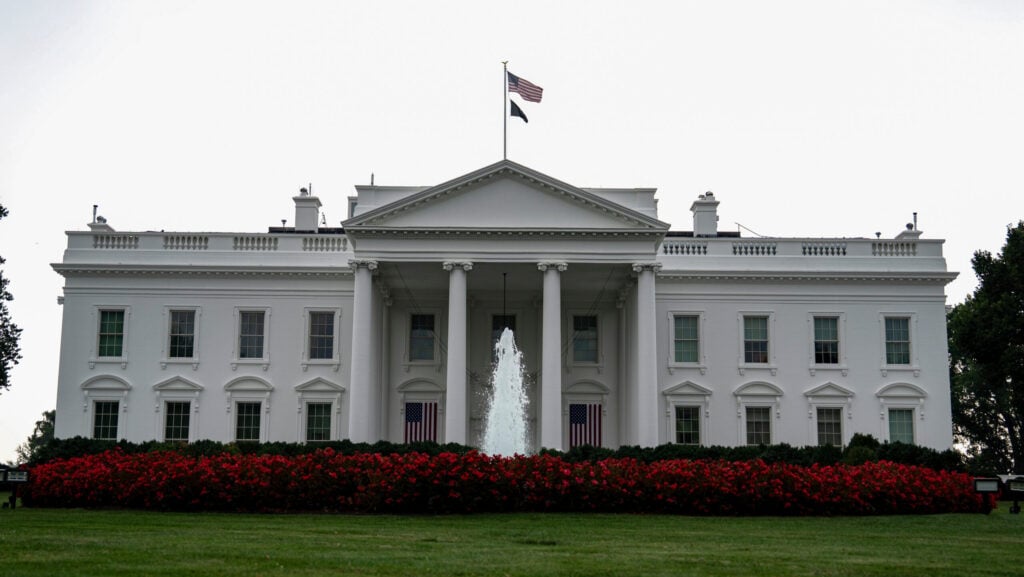
Image for US National Security Strategy revives Monroe Doctrine, limits NATO expansion
What"s Next
The implications of this updated National Security Strategy are significant. By prioritizing the Western Hemisphere and reducing the emphasis on NATO, the U.S. may seek to consolidate its influence in its immediate region while recalibrating its role on the global stage. This could lead to changes in military deployments, economic partnerships, and diplomatic engagements in both the Americas and the Indo-Pacific.
As the U.S. navigates this new strategic landscape, the focus on multilateralism and burden-sharing among allies will likely shape future international collaborations. The success of this strategy will depend on the willingness of allies to engage and contribute to shared security goals, particularly in the context of rising global challenges.
For further insights on recent developments in U.S. foreign policy, see our article on recent developments regarding the White House"s updated National Security Strategy.

![[Video] Heavy clashes and gunfire reported in Baghdad, Iraq](/_next/image?url=%2Fapi%2Fimage%2Fthumbnails%2Fthumbnail-1768342239932-848qsh-thumbnail.jpg&w=3840&q=75)



![[Video] Gunfire between Iraqi security forces and Sadr militias in Baghdad](/_next/image?url=%2Fapi%2Fimage%2Fthumbnails%2Fthumbnail-1768343508874-4redb-thumbnail.jpg&w=3840&q=75)