U.S. Inspector General Report Reveals Significant Losses in Afghan Reconstruction Funds
On December 5, 2025, the U.S. Inspector General for Afghanistan (SIGAR) released its final report on the war in Afghanistan, highlighting alarming financial mismanagement. The report concluded that over 20% of the funds allocated for Afghan reconstruction were lost to fraud and waste. This revelation underscores the challenges faced in the U.S. efforts to rebuild Afghanistan following two decades of military involvement.
Key Details
The SIGAR report specifically addresses the staggering amount of money spent on Afghan reconstruction, which totaled approximately $145 billion. When adjusted for inflation, this figure surpasses the total expenditure of the Marshall Plan, which was implemented to rebuild Europe after World War II. The Marshall Plan, enacted in 1948, provided around $13 billion (approximately $140 billion today) to assist European nations in their recovery.
In total, U.S. expenditures in Afghanistan from 2001 to 2021 reached an astonishing $2.3 trillion. This figure encompasses military operations, reconstruction efforts, and other related expenses. The SIGAR report"s findings raise critical questions about the effectiveness of these investments and the oversight mechanisms in place to prevent financial misconduct.
The report"s assertion that more than 20% of the reconstruction funds were lost to fraud and waste indicates a significant failure in accountability and transparency. This loss translates to approximately $29 billion, a staggering amount that could have been utilized for essential infrastructure, healthcare, and education initiatives in Afghanistan.
Background
The U.S. involvement in Afghanistan began in 2001 following the September 11 terrorist attacks, with the initial objective of dismantling al-Qaeda and removing the Taliban from power. Over the years, the mission evolved to include nation-building efforts aimed at establishing a stable and democratic government in Afghanistan. However, the SIGAR report serves as a sobering reminder of the difficulties encountered in this endeavor, particularly regarding financial management and the allocation of resources.
Fraud and waste in reconstruction efforts have been documented in previous reports, with SIGAR consistently highlighting issues related to contractor oversight, inadequate project monitoring, and a lack of coordination among various U.S. agencies involved in reconstruction. The persistent challenges have led to calls for reform in how foreign aid is administered and monitored.
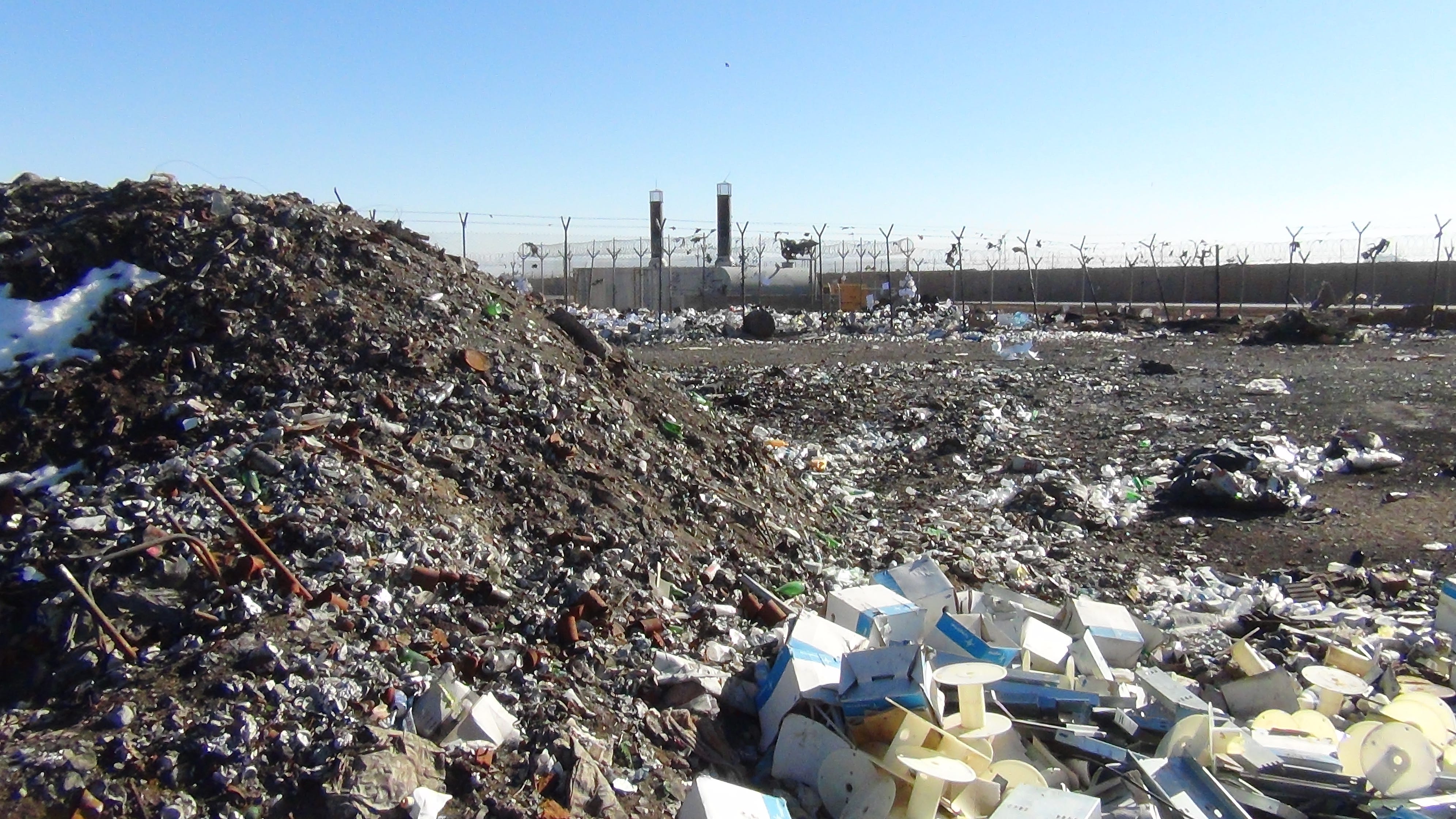
Image for U.S. report finds 20% of Afghan reconstruction funds lost to fraud and waste
What"s Next
The findings of the SIGAR report are likely to prompt renewed scrutiny of U.S. foreign aid practices, particularly in conflict zones. Lawmakers and policymakers may seek to implement stricter oversight measures to ensure that funds are used effectively and that similar losses do not occur in future reconstruction efforts. Additionally, the report may influence public perception regarding the effectiveness of U.S. foreign policy in Afghanistan and the broader region.
As the U.S. continues to navigate its role in international affairs, the lessons learned from the Afghan experience will be crucial in shaping future strategies for foreign aid and military intervention. The SIGAR report serves as a critical resource for understanding the complexities and challenges of rebuilding nations affected by conflict.
For more information on related topics, see our coverage on recent developments in international politics and similar situations involving military operations.

![[Video] Heavy clashes and gunfire reported in Baghdad, Iraq](/_next/image?url=%2Fapi%2Fimage%2Fthumbnails%2Fthumbnail-1768342239932-848qsh-thumbnail.jpg&w=3840&q=75)


![[Video] Gunfire between Iraqi security forces and Sadr militias in Baghdad](/_next/image?url=%2Fapi%2Fimage%2Fthumbnails%2Fthumbnail-1768343508874-4redb-thumbnail.jpg&w=3840&q=75)